What Happens When a Contractor Underbids Your Project
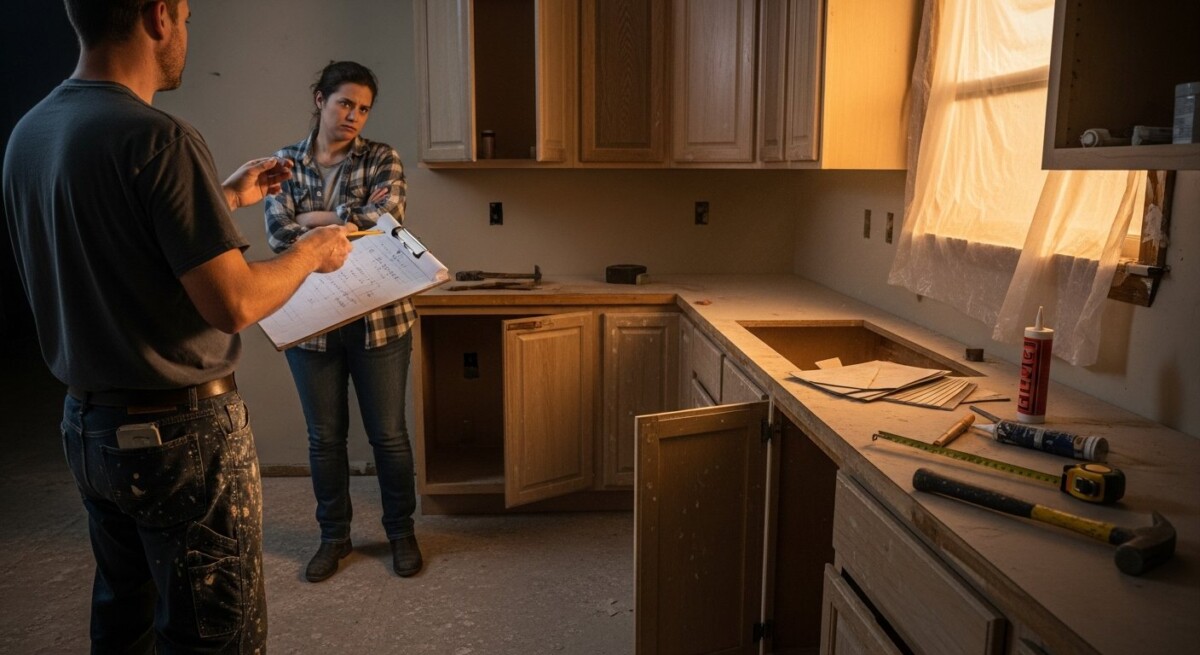
You’ve finally decided to tackle that kitchen remodel or bathroom update. You get three quotes, and one is significantly lower than the others. It’s tempting to go with the cheapest option, thinking you’ve found a great deal. But weeks into the project, you notice corners being cut, materials that look cheap, or the contractor asking for more money to “cover unexpected costs.” Suddenly, that low bid doesn’t seem like such a bargain. This scenario is a classic sign of a contractor who has underbid the project, and it can lead to stress, subpar work, and a much higher final price tag.
Understanding What Happens If Contractor Underbids Project
When a contractor underbids a project, it means their initial price quote is too low to complete the job properly, profitably, and to the agreed-upon standards. This isn’t just about finding a good price; it’s about a quote that is unrealistic from the start.
This often happens when a contractor is desperate for work, lacks experience in accurately estimating costs, or intentionally uses a “low-ball” price to win the job with plans to increase charges later. It can affect any home project, from a simple repair to a major addition.
Why Accurate Bidding Matters
An accurate bid reflects the true cost of labor, materials, permits, and a reasonable profit margin. It’s a blueprint for a successful project. An underbid is a broken blueprint, setting the stage for problems before the first nail is hammered.
Why This Matters for Your Home
Choosing a contractor based solely on the lowest bid can have serious consequences for your home, your wallet, and your peace of mind. What seems like savings upfront often transforms into costly headaches down the road.
The risks go beyond just spending more money. You could be left with unsafe workmanship, hidden damage that wasn’t budgeted to fix, or a project that stalls completely when the contractor runs out of funds. Your home’s value, safety, and your family’s comfort are on the line.
If you notice signs of this issue in your home, it may help to speak with a qualified contractor. Request a free quote or call to explore your repair or remodeling options.
Common Problems Homeowners Experience
When a project is underbid, the contractor must find ways to bridge the gap between their quote and reality. Unfortunately, homeowners usually bear the brunt of these compromises. The problems often start subtly but can quickly escalate.
You might see delays as the contractor juggles other jobs to make up for lost income on yours. Or, you may be pressured to upgrade materials for an additional cost, turning your “budget” project into an expensive one. In our guide on how contractors calculate project cost, we break down the legitimate factors that go into a fair price.
- Cost Overruns and Change Orders: The contractor may present frequent “change orders” for things that should have been included, drastically inflating the final bill.
- Subpar or Incorrect Materials: To save money, they might use lower-quality materials than specified or what is appropriate for the job.
- Rushed or Sloppy Workmanship: The crew may work too quickly to move on to the next job, leading to mistakes, poor finishes, and code violations.
- Project Abandonment: In severe cases, the contractor may simply walk away from the project if they can’t afford to finish it, leaving you with a half-done mess.
- Cutting Safety Corners: Skipping proper permits, inspections, or using incorrect installation methods to save time and money.
- Supplier and Subcontractor Issues: If the contractor hasn’t paid for materials or subcontracted labor, liens can be placed against your property.
How Professionals Solve the Problem
A reputable contractor starts with a thorough, transparent estimate. They invest time in understanding the full scope of your project to provide a realistic price that covers quality work from start to finish. This upfront diligence is your first layer of protection.
Their process is designed to avoid surprises. They build contingencies for common unforeseen issues (like hidden water damage behind a wall) into their plan, so a single problem doesn’t derail the entire project or your budget.
- Detailed Assessment: They inspect the work area thoroughly to identify all tasks and potential challenges.
- Transparent Pricing: They provide a clear, itemized quote showing costs for materials, labor, permits, and profit.
- Quality Material Sourcing: They use trusted suppliers and materials that meet or exceed building codes.
- Skilled Execution: Their crew follows best practices and building codes to ensure safe, durable results.
- Clear Communication: They manage the timeline, communicate delays proactively, and explain any necessary changes before proceeding.
A professional inspection can reveal hidden issues before they become expensive repairs. Compare contractor quotes here or call to discuss your project.
Warning Signs You Should Not Ignore
Spotting a potential underbid early can save you immense trouble. The warning signs often appear during the quoting process or in the first days of work. Trust your instincts if something feels off.
Pay close attention to how the contractor communicates and handles details. Vagueness and pressure are major red flags. A contractor who is transparent and patient during planning is more likely to be reliable during construction.
- A Bid Dramatically Lower Than Others: If one quote is 20-30% below the rest, it’s a strong signal that something is missing.
- Vague or Unwritten Quotes: A professional estimate is detailed. A quote on a napkin or a single bottom-line number is a risk.
- Pressure to Sign Immediately: High-pressure tactics to prevent you from comparing quotes or thinking it over.
- Request for Large Upfront Payment: Asking for more than a small deposit (typically 10-30%) before work begins.
- Reluctance to Get Permits: Suggesting you can skip permits to “save money,” which is illegal and unsafe.
- Lack of Proof of License and Insurance: A legitimate contractor will readily provide this information.
What Affects the Cost of Repairs or Installation
Understanding what goes into a project’s cost helps you evaluate quotes intelligently. A fair price accounts for many variables that an underbid will ignore or underestimate.
For example, the age of your home significantly impacts cost. Older homes often have hidden issues like outdated wiring, plumbing, or structural adjustments that need to be addressed during a renovation. A thorough contractor investigates and plans for these.
- Project Scope and Complexity: A simple replacement vs. a full remodel with layout changes.
- Quality of Materials: Builder-grade cabinets cost less than custom solid-wood cabinets.
- Labor Intensity: Intricate tile work or custom carpentry requires more skilled hours.
- Site Accessibility: A difficult-to-reach roof or a third-story bathroom adds time and complexity.
- Unforeseen Conditions: Rot, mold, or outdated systems discovered only after demolition begins.
- Permit and Inspection Fees: Legally required costs that vary by municipality.
Costs can vary depending on the condition of your home. The best way to know the price is to get a personalized estimate. Request free quotes from contractors or call today.
How to Choose the Right Contractor
The best defense against an underbid is a careful selection process. Don’t just pick the lowest number; pick the most trustworthy and thorough partner for your home project. This decision impacts your daily life for weeks or months.
Take your time. Interview multiple contractors, ask detailed questions, and verify everything. A good contractor will welcome your diligence as it shows you are a serious and informed homeowner. For a deeper dive, our article on how to compare contractor proposals offers a step-by-step framework.
- Check Credentials: Verify their license is active and in good standing, and ask for proof of liability and workers’ compensation insurance.
- Read Reviews and Ask for References: Look at recent reviews on multiple platforms and actually call past clients to ask about their experience.
- Get Detailed, Written Estimates: Compare “apples to apples” quotes that break down costs for materials, labor, and other expenses.
- Compare Multiple Quotes: Get at least three detailed estimates to understand the market rate for your project.
- Assess Communication: Choose someone who listens, answers questions clearly, and communicates proactively.
Long-Term Benefits of Professional Work
Investing in a properly bid and executed project pays dividends long after the workers leave. It’s about value, not just cost. Quality workmanship protects your investment and enhances your quality of life.
You gain peace of mind knowing the job was done safely and to code. This means fewer callbacks for repairs, better energy efficiency, and systems that last for years. It also directly boosts your home’s resale value, as buyers and appraisers recognize quality renovations.
Ultimately, a professional contractor delivers a finished project you can enjoy without worry. They turn your vision into a durable, beautiful, and functional part of your home that stands the test of time.
How long should a contractor’s quote be valid?
Most reputable contractor quotes are valid for 30 to 90 days. This protects both you and the contractor from sudden price fluctuations in materials. If a quote expires, it’s reasonable for them to issue an updated one based on current market costs.
Is it a red flag if a contractor is available immediately?
Not always, but it can be. While good contractors can have sudden openings, a consistently open schedule might indicate a lack of steady work, which could be due to poor reputation or problematic bidding practices. It’s a factor to consider alongside others.
What should I do if my contractor asks for more money mid-project?
First, refer to your contract. It should outline procedures for change orders. If the request is for a truly unforeseen issue (like hidden structural damage), a legitimate change order is reasonable. If it’s for items originally in the scope, politely refer them to the original agreement. Understanding what happens if your contractor misses a deadline can also help you manage project disputes.
Can I negotiate a contractor’s quote?
You can discuss it, but focus on value, not just slashing the price. Ask if there are areas where different material choices could lower cost without sacrificing quality. Be wary of a contractor who readily agrees to a large cut,they may plan to cut corners to make up for it.
What’s the difference between an estimate and a quote?
An estimate is a rough, non-binding guess of costs. A quote (or bid) is a fixed-price offer to do the work for a specified amount. For your protection, insist on a detailed, written quote before signing a contract.
How much should I pay as a deposit?
A typical deposit ranges from 10% to 30% of the total project cost, often due upon signing the contract to secure materials and schedule. Be extremely cautious of any contractor demanding 50% or more upfront. Payment schedules should be tied to completed project milestones.
Choosing a contractor is one of the most important decisions in any home project. By understanding the risks of an underbid and taking the time to select a qualified professional, you protect your home, your budget, and your sanity. Addressing potential issues early, through careful comparison and clear communication, sets the stage for a successful outcome. Start by gathering detailed quotes from trusted local contractors to understand your true options and invest in a result that lasts.