What Is Included in a Contractor Estimate: A Homeowner’s Guide

You finally decided to replace that old, drafty window or finish the basement. You call a contractor, they nod, take some notes, and promise to send an estimate. A few days later, a document arrives in your inbox,but what exactly are you looking at? For many homeowners, a contractor estimate can feel like a mysterious list of numbers and jargon. You might wonder if the price covers the materials, the cleanup, or that unexpected wiring issue. Understanding what is included in contractor estimate is the first step to avoiding surprise costs and ensuring you get the quality work your home deserves. Without this knowledge, a simple renovation can quickly turn into a stressful financial headache.
Understanding what is included in contractor estimate
Simply put, a contractor estimate is a professional’s best guess at the cost of your project. It breaks down the expected expenses for labor, materials, permits, and other fees. Think of it as a roadmap for your renovation or repair,it tells you where your money is going and what you can expect for that investment.
A solid estimate goes beyond just a total price. It lists the scope of work, meaning exactly what the contractor will and will not do. It also includes timelines, payment schedules, and often the type and brand of materials to be used. Homes that are older or have unique architectural features often benefit most from detailed estimates, as hidden issues like outdated wiring or rotting wood are more common.
Why this matters for your home
When you know what is included in contractor estimate, you protect your home and your wallet. A vague or incomplete estimate can lead to costly change orders mid-project. For example, if the estimate doesn’t mention debris removal, you might find yourself hauling old drywall to the dump,or paying extra for the contractor to do it later.
Safety is another major concern. A proper estimate should account for necessary permits and inspections. Skipping these steps can result in work that doesn’t meet local building codes, putting your family at risk and decreasing your home’s value. Comfort also plays a role: knowing exactly what is included helps you make informed decisions about upgrades that improve energy efficiency or livability.
If you notice signs of this issue in your home, it may help to speak with a qualified contractor. Request a free quote or call to explore your repair or remodeling options.
Common problems homeowners experience
Even well-intentioned homeowners often misunderstand what an estimate covers. One common problem is assuming the estimate includes everything needed to complete the job, only to discover later that items like paint, hardware, or dumpster fees are extra. Another frequent issue is unclear language,terms like “allowance” or “as needed” can leave you guessing about the final cost.
For example, a contractor might list “flooring allowance: $2,000” without specifying that this only covers basic tile. If you fall in love with a premium hardwood, you’ll pay the difference out of pocket. Similarly, estimates that fail to detail the timeline can lead to projects dragging on for weeks longer than expected.
- Unclear scope of work that leaves out key tasks like demolition or cleanup
- Missing line items for permits, inspections, or engineering fees
- Vague material descriptions that don’t specify brand, grade, or quantity
- No mention of warranty or guarantee for labor and materials
- Incomplete payment schedule that doesn’t align with project milestones
- Hidden assumptions about existing conditions, such as assuming walls are straight
How professionals solve the problem
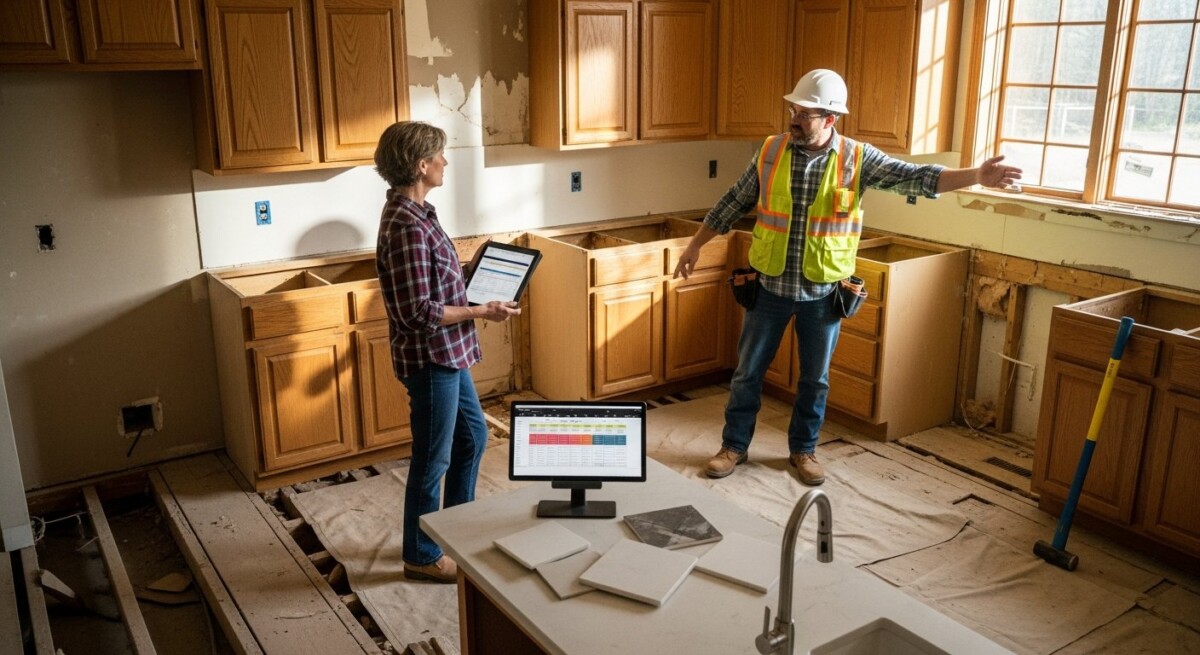
Experienced contractors know that a thorough estimate builds trust and prevents disputes. They start by visiting your home to assess the space, measure accurately, and discuss your goals. This on-site evaluation allows them to spot potential issues,like an uneven subfloor or outdated plumbing,that could affect the cost.
- Initial consultation and site inspection: The contractor walks through the project area, takes photos, and asks about your preferences. They note any existing damage or access limitations.
- Detailed scope of work: They write a clear description of every task, from demolition to final cleanup. This includes who provides the materials and who handles permits.
- Itemized cost breakdown: Each major component,labor, materials, permits, overhead, and profit,is listed separately. You can see exactly what you’re paying for.
- Contract and timeline: The final estimate includes a proposed start and end date, payment schedule, and terms for changes. Both parties sign before work begins.
Professional work is safer and more reliable than DIY fixes because contractors carry insurance, follow building codes, and have experience handling unexpected problems. A professional inspection can reveal hidden issues before they become expensive repairs. Compare contractor quotes here or call to discuss your project.
Warning signs you should not ignore
Your home often gives subtle clues that a contractor estimate is needed,or that the one you received is incomplete. Pay attention to these red flags. Early action can prevent a small repair from turning into a major renovation.
- An estimate that is significantly lower than others without a clear reason
- Handwritten or one-page estimates that lack detail or line items
- The contractor refuses to put the estimate in writing or asks for full payment upfront
- No mention of permits or inspections, especially for structural or electrical work
- Vague terms like “miscellaneous” or “contingency” without explanation
- Pressure to sign immediately or “before prices go up”
What affects the cost of repairs or installation
Several factors influence the final price in any contractor estimate. The size of your project is the most obvious,a full kitchen remodel costs more than a backsplash refresh. But materials also play a huge role. Custom cabinetry or imported stone will raise the estimate compared to stock options.
Labor costs vary by region and the complexity of the work. A job that requires specialized skills, like structural framing or custom tile work, will have higher labor rates. Accessibility matters too: if your attic is cramped or your basement has low clearance, expect a higher price because the work takes longer. Finally, the age of your home can introduce unknowns. Older homes often have non-standard framing, outdated wiring, or asbestos that must be handled carefully.
Costs can vary depending on the condition of your home. The best way to know the price is to get a personalized estimate. Request free quotes from contractors or call today.
How to choose the right contractor
Finding a trustworthy contractor starts with verifying their credentials and experience. Don’t rely solely on a low price,cheap estimates often cut corners. Instead, focus on transparency and communication. A good contractor welcomes your questions and explains their estimate in plain language.
- Check licenses and insurance: Confirm the contractor is licensed in your state and carries general liability and workers’ compensation insurance.
- Read customer reviews: Look for recent reviews on Google, Yelp, or the Better Business Bureau. Pay attention to comments about communication and sticking to the estimate.
- Ask for detailed estimates: Request itemized quotes from at least three contractors. Compare line by line, not just the bottom line.
- Confirm experience with similar projects: Ask for photos or references from jobs like yours. A contractor who specializes in bathrooms may not be the best choice for a roof replacement.
- Review the contract carefully: Ensure the estimate matches the contract. Look for clauses about change orders, payment schedules, and warranties.
Long-term benefits of professional work
Investing in a professional contractor who provides a clear estimate pays off for years. Your home will be safer because the work meets code and industry standards. Durable materials and proper installation mean fewer repairs down the road, saving you money and hassle.
Energy efficiency is another major advantage. A professional estimate often includes recommendations for insulation, windows, or HVAC upgrades that lower your utility bills. And when it’s time to sell, a well-documented renovation with permits and receipts can increase your home’s value significantly. In our guide on what is included in a contractor estimate, we explain how to spot a comprehensive quote. For more details on the documents you need, see our article on essential documents for an accurate contractor estimate. And if you need a quick start, learn how to get fast contractor estimates online for home projects.
What does a typical contractor estimate include?
A typical estimate includes labor, materials, permits, overhead, and profit. It should also list the scope of work, project timeline, and payment schedule. Some estimates include cleanup and debris removal, but always confirm this.
How long is a contractor estimate valid?
Most estimates are valid for 30 to 60 days. Material prices and contractor availability can change, so ask about the expiration date. If you wait too long, you may need a new estimate.
Is a contractor estimate legally binding?
An estimate is not usually legally binding until both parties sign a contract. However, some states require contractors to honor their estimates for a set period. Always get the final agreement in writing.
Should I get multiple contractor estimates?
Yes, getting at least three estimates helps you understand the fair market price for your project. Comparing itemized quotes also reveals what each contractor includes or excludes.
What if the contractor’s estimate is higher than expected?
Ask the contractor to explain the major cost drivers. They may be using higher-quality materials or including necessary repairs that other contractors overlooked. A higher estimate can sometimes mean better value.
Can I negotiate a contractor estimate?
You can discuss the estimate with the contractor, but focus on value rather than just lowering the price. Ask if there are alternative materials or a different scope of work that fits your budget.
What is the difference between an estimate and a quote?
An estimate is an approximate cost based on the current scope of work. A quote is a fixed price that the contractor agrees to honor, provided the scope doesn’t change. Quotes are more binding than estimates.
Do I need a permit for my project?
Many projects require permits, especially structural, electrical, or plumbing work. A reputable contractor will include permit costs in the estimate and handle the paperwork. Skipping permits can lead to fines and issues when selling your home.
Understanding what is included in contractor estimate empowers you to make confident decisions about your home. A clear, detailed estimate protects your budget, ensures safety, and sets the stage for a successful project. Don’t rush into a decision,compare multiple quotes, ask questions, and choose a contractor who values transparency. Your home deserves the best care, and the right estimate is where it all begins.