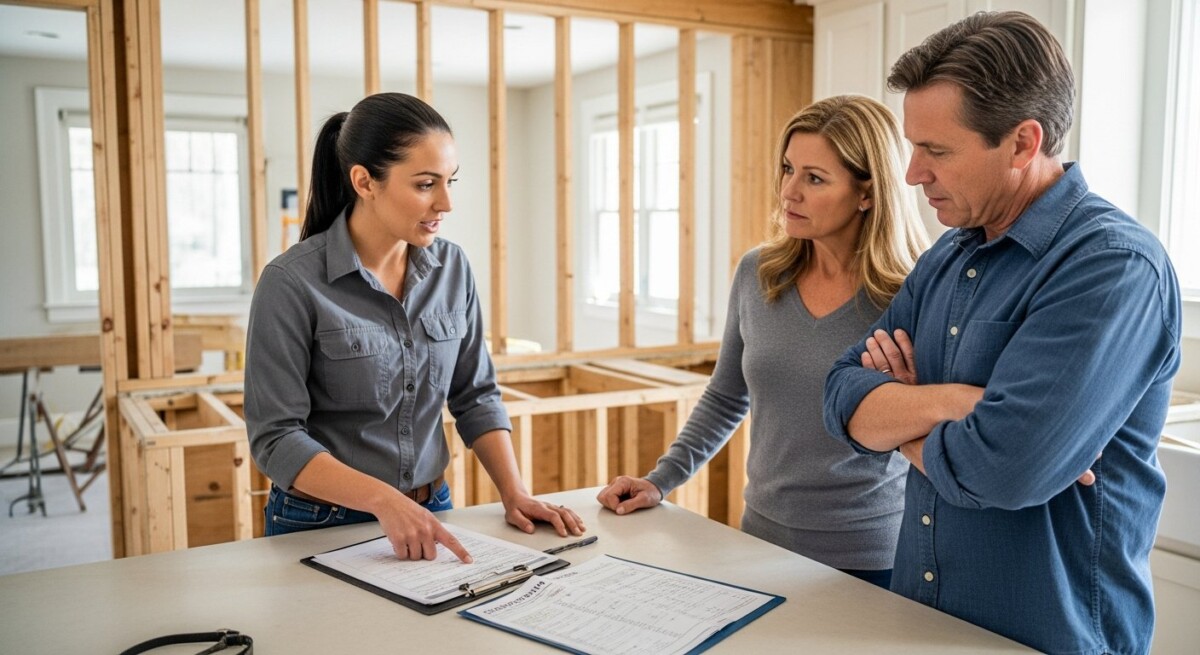
What Is a Contractor Quote? A Homeowner’s Guide to Estimates
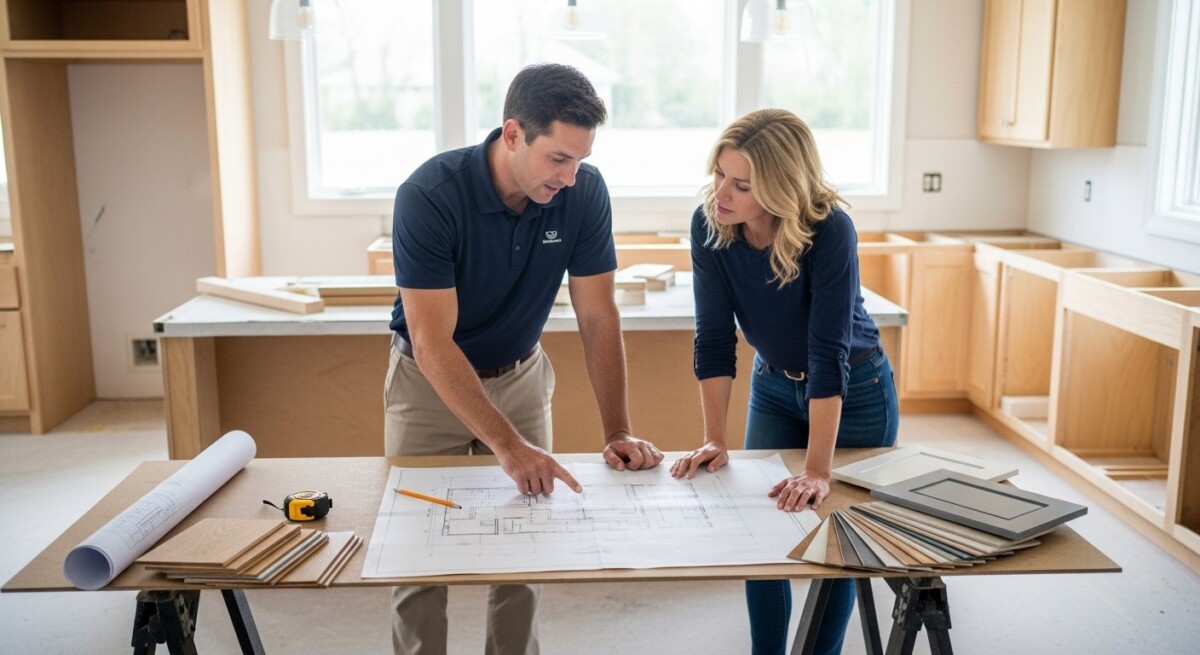
You’ve finally decided to tackle that kitchen remodel, or perhaps you’ve discovered a persistent leak in your basement. You know you need professional help, but the thought of navigating costs and commitments feels overwhelming. Where do you even start? For many homeowners, the first real step in any home project is understanding a contractor quote. This document is more than just a price tag; it’s your roadmap, your budget blueprint, and your key to a successful, stress-free renovation or repair.
Understanding What Is a Contractor Quote
A contractor quote, often called an estimate, is a formal proposal from a professional that details the scope, cost, and timeline for your home project. It’s their promise to complete specific work for a specific price. Think of it as a detailed recipe for your project, listing all the ingredients (materials) and steps (labor) required.
This document is created after a contractor has assessed your home and discussed your goals. It translates your vision and the home’s needs into a concrete plan with numbers. A proper quote protects both you and the contractor by ensuring everyone agrees on what will be done before any work begins.
Quote vs. Estimate: Is There a Difference?
In everyday conversation, “quote” and “estimate” are used interchangeably. However, in the contracting world, a quote is typically a fixed-price offer, while an estimate might be a preliminary, less-binding ballpark figure. For major projects, you want a fixed-price quote to avoid surprise costs. You can learn more about this important distinction in our detailed guide on contractor quote vs estimate.
Why This Matters for Your Home
Getting a detailed contractor quote is the single most important thing you can do to protect your investment and your peace of mind. Without it, you’re essentially giving a professional a blank check to work on your largest asset. A clear quote prevents misunderstandings, sets realistic expectations, and allows you to budget accurately.
More importantly, it forces a thorough evaluation of the project. A reputable contractor will inspect not just the obvious issue but also potential underlying problems. This proactive approach can uncover hidden damage,like rot behind a wall or faulty wiring,before it derails your project and your budget months down the line.
If you notice signs of this issue in your home, it may help to speak with a qualified contractor. Request a free quote or call to explore your repair or remodeling options.
Common Problems Homeowners Experience
The process of getting and comparing quotes often reveals the true nature of a home project. Homeowners frequently encounter vague pricing, unexpected scope changes, or contractors who are reluctant to put details in writing. These are red flags that a project could go over budget or fail to meet your standards.
Without a solid quote, you might experience:
- Sticker Shock: The final bill is significantly higher than the initial verbal estimate.
- Scope Creep: The contractor claims certain tasks were “not included,” demanding more money to finish the job.
- Low-Quality Materials: Subpar products are used to cut corners and boost profit, compromising durability.
- Endless Timelines: Work drags on for weeks or months longer than promised, disrupting your life.
- Hidden Fees: Charges for “disposal,” “fuel,” or “administrative costs” appear on the final invoice.
- Payment Disputes: Conflicts arise over what was promised versus what was delivered.
How Professionals Solve the Problem
A trustworthy contractor uses the quote process to build confidence and demonstrate expertise. They see it as an opportunity to educate you, plan meticulously, and establish a foundation for a smooth partnership. Their goal is to provide clarity, not confusion.
The process of creating a professional quote typically follows these steps:
- Initial Consultation: They visit your home, listen to your needs, and assess the work area.
- Detailed Inspection: They identify all necessary work, including potential hidden issues.
- Material Selection: They specify the quality, brand, and quantity of all required materials.
- Labor Calculation: They estimate the time and crew size needed for each phase.
- Document Creation: They compile everything into a clear, itemized document with a total fixed price.
This structured approach ensures nothing is left to chance. Professional work is safer and more reliable because it’s based on a plan, not guesswork.
A professional inspection can reveal hidden issues before they become expensive repairs. Compare contractor quotes here or call to discuss your project.
Warning Signs You Should Not Ignore
When seeking quotes, pay close attention to how contractors communicate. The warning signs often appear before a single nail is hammered. A professional should be transparent, detailed, and patient in explaining their proposal.
Be cautious if a contractor:
- Gives a quote over the phone without seeing the project.
- Pressures you to sign immediately with a “today-only” discount.
- Asks for a large cash deposit or full payment upfront.
- Provides a quote that is just one lump sum with no breakdown.
- Is vague about the project timeline or start date.
- Cannot provide proof of license and insurance.
Ignoring these signs can lead to financial loss, subpar work, and legal headaches. Getting multiple detailed quotes is your best defense. In fact, learning how to compare contractor quotes effectively is a crucial skill for any homeowner.
What Affects the Cost of Repairs or Installation
Understanding what goes into a quote helps you make sense of the numbers. Costs aren’t arbitrary; they’re calculated based on specific, tangible factors. A higher quote isn’t necessarily a rip-off,it may reflect better materials, more experienced labor, or a more comprehensive scope.
Key factors that influence pricing include:
- Project Scope & Complexity: A simple faucet replacement costs far less than a full bathroom gut job.
- Material Quality: Builder-grade cabinets versus custom solid wood create a massive price difference.
- Labor Intensity: Skilled trades like electrical or masonry command higher rates than general labor.
- Home Age & Condition: Older homes often require updates to meet code, like replacing knob-and-tube wiring.
- Accessibility & Location: A third-story balcony is harder to work on than a ground-floor deck.
- Permits & Inspections: The cost and time for required permits are factored into the total.
Costs can vary depending on the condition of your home. The best way to know the price is to get a personalized estimate. Request free quotes from contractors or call today.
How to Choose the Right Contractor
The quote is a reflection of the contractor. Use it as a tool to evaluate not just the price, but the person or company behind it. Your goal is to find a partner you can trust to be in your home and manage your investment.
Follow these practical tips when reviewing quotes and making your choice:
- Verify Credentials: Always check for a valid state license and current liability and workers’ compensation insurance.
- Read Reviews & Ask for References: Look at recent reviews on multiple platforms and actually call past clients.
- Insist on Detail: A good quote itemizes labor, materials, brands, model numbers, and quantities.
- Compare Apples to Apples: Ensure each quote covers the exact same scope of work before comparing prices.
- Meet the Team: The person giving the quote should be the project lead or someone who will be deeply involved.
Long-Term Benefits of Professional Work
Investing in a professional who provides a thorough quote pays dividends long after the project is complete. It’s about more than just fixing a problem today; it’s about protecting your home and your wallet for years to come.
The advantages of professional, well-quoted work include:
- Enhanced Safety: Work is performed to code, reducing risks of fire, electrical hazards, or structural failure.
- Superior Durability: Quality materials and skilled installation mean repairs last longer.
- Improved Efficiency: Properly installed windows, insulation, or HVAC systems lower your utility bills.
- Increased Home Value: Documented, permitted improvements add measurable value to your property.
- Warranty Protection: Reputable contractors stand behind their work with strong warranties.
- Peace of Mind: Knowing the job was done right lets you enjoy your home without worrying about callbacks.
FAQs
Are contractor quotes free?
Yes, in the vast majority of cases, a detailed written quote or estimate should be provided free of charge. Reputable contractors consider it a standard part of the sales process. You can find a deeper explanation of this in our article answering are contractor quotes free.
How many contractor quotes should I get?
It’s wise to get at least three detailed quotes for any significant project. This gives you a good range for comparison on price, approach, and professionalism. Fewer than three might not show you the full market, while more than five can become confusing and time-consuming.
What should a contractor quote include?
A comprehensive quote should include a detailed description of work, itemized costs for materials and labor, brand names and model numbers of products, a project timeline with start and completion dates, payment schedule, and information about warranties, licenses, and insurance.
How long is a contractor quote valid?
Quotes are typically valid for 30 to 90 days. This protects the contractor from sudden increases in material costs. The validity period should be clearly stated on the document. If you need to delay your project, communicate with the contractor, as they may honor the original quote or issue a new one.
Can I negotiate a contractor quote?
Yes, you can often negotiate, but focus on value, not just the bottom line. Ask if there are areas where different material choices could lower cost without sacrificing quality, or if scheduling the work during a slower season might result in a better price. Be wary of a contractor who cuts their price drastically without changing the scope.
What happens if the work costs more than the quote?
With a fixed-price quote, the price should not increase unless you formally change the scope of work (known as a change order). If unforeseen issues arise once work begins, a professional contractor will discuss them with you immediately, provide a new quote for the additional work, and get your written approval before proceeding.
Do I need a signed contract if I have a quote?
Absolutely. A quote is a proposal, while a contract is a legally binding agreement. The contract should incorporate the detailed quote and add terms about permits, cleanup, dispute resolution, and termination clauses. Never start work without a signed contract.
Taking the time to understand contractor quotes is one of the smartest things you can do as a homeowner. It transforms a potentially stressful process into a clear, manageable plan. By requesting detailed quotes, you’re not just shopping for a price,you’re interviewing potential partners and gathering the information needed to protect your home and your budget. Don’t let uncertainty delay your project. Start by comparing professional quotes to make an informed, confident decision.