What Makes Contractor Quotes Different: A Homeowner’s Guide

You finally decide to fix that leaky roof or remodel your outdated bathroom. You call a few contractors, and the quotes start rolling in. One number is surprisingly low, another seems sky-high, and a third lands somewhere in the middle. You are left wondering: What makes contractor quotes different? This confusion is familiar to nearly every homeowner who has ever tackled a repair or renovation. The problem is not that contractors are trying to confuse you,it is that each quote reflects a different set of assumptions about materials, labor, timeline, and the true condition of your home. If you pick the cheapest quote without understanding what is included, you risk ending up with shoddy work, surprise expenses, or a project that drags on for months. The good news is that once you understand what makes contractor quotes different, you can make a confident, informed decision that protects your home and your budget.
Understanding What Makes Contractor Quotes Different
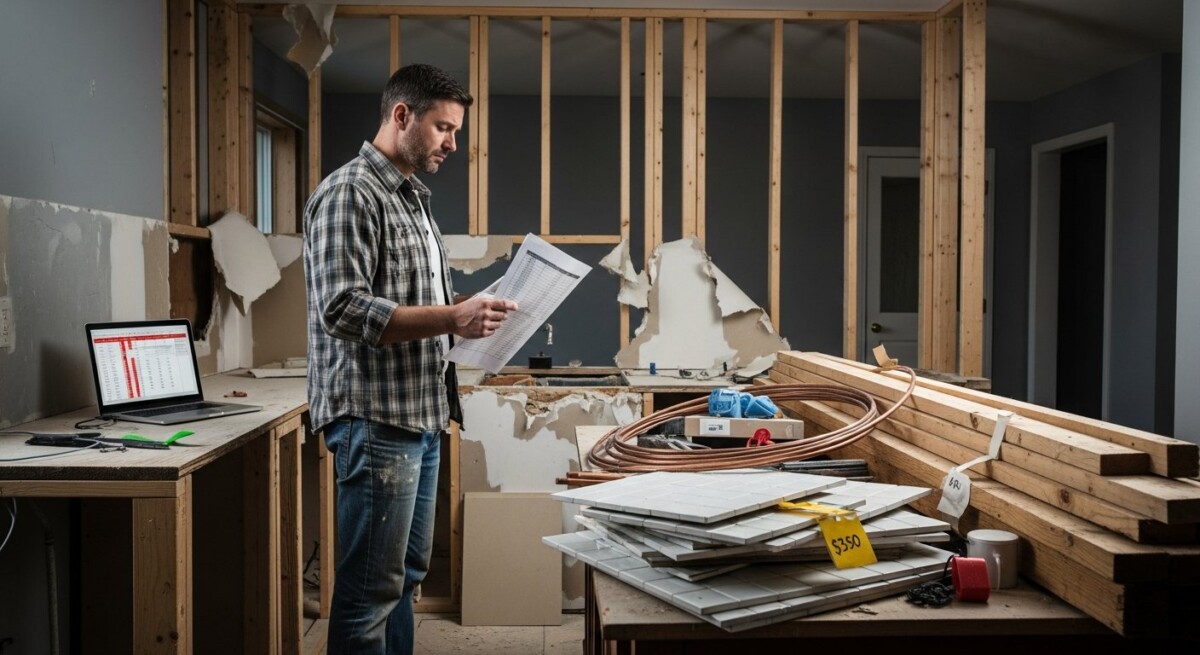
At its simplest, what makes contractor quotes different is the level of detail and quality each professional builds into their estimate. One contractor might give you a quick number based on square footage alone, while another spends an hour inspecting your home, measuring every corner, and accounting for potential issues like old wiring or water damage. The first quote looks tempting, but the second quote is more realistic.
These differences happen because contractors run their businesses differently. Some prioritize volume,they give low bids to win jobs, then rely on change orders to make a profit. Others focus on quality and transparency, pricing the job accurately from the start. Older homes, properties with unique layouts, or projects that require permits are especially likely to produce widely varying quotes because hidden conditions can dramatically affect the scope of work.
Why This Matters for Your Home
Your home is likely your most valuable asset. Choosing a contractor based solely on price can lead to costly consequences. A cheap quote might omit necessary steps like pulling permits, installing proper waterproofing, or using high-grade materials. Six months later, you could face a leak, a structural issue, or a code violation that costs thousands to fix.
Beyond money, there are safety risks. Poorly executed electrical work, improperly installed roofing, or substandard foundation repairs can endanger your family. Comfort also suffers,a poorly insulated addition or a drafty window replacement defeats the purpose of the project. Delaying a repair because you are overwhelmed by confusing quotes only makes the problem worse, as small issues grow into major emergencies. Understanding whether contractor quotes are free and what they should include can help you avoid these pitfalls.
If you notice signs of this issue in your home, it may help to speak with a qualified contractor. Request a free quote or call to explore your repair or remodeling options.
Common Problems Homeowners Experience
Homeowners often discover the problem of confusing quotes during the planning phase of a project. You might receive three estimates that describe the same basic job, yet the prices differ by 40 percent or more. This inconsistency makes it nearly impossible to compare apples to apples.
These problems surface in real homes every day. A homeowner might choose the lowest bid for a kitchen remodel, only to find that the contractor used cheap cabinets that warp within a year. Another might hire a roofer based on a verbal quote, then get hit with extra fees for disposal, underlayment, or flashing. The result is frustration, budget overruns, and a lingering distrust of contractors.
- Unclear scope of work: One quote includes demolition and disposal; another leaves those out.
- Material quality differences: Low-cost quotes often use budget materials that wear out quickly.
- Missing permit costs: Some contractors skip permits to lower their price, putting you at risk.
- Vague timelines: A cheap quote may not include a schedule, leading to delays.
- No warranty: Professional quotes typically include a warranty; bargain bids often do not.
- Change order surprises: Low bids frequently lead to extra charges once work begins.
How Professionals Solve the Problem
Experienced contractors address the confusion around quotes by being thorough and transparent from the start. They visit your home, inspect the area, ask questions about your goals, and provide a detailed written estimate that breaks down materials, labor, permits, and timeline. This level of detail eliminates guesswork for you.
The typical professional process follows these steps:
- On-site inspection: The contractor examines the area to identify existing damage, structural issues, or code requirements.
- Detailed proposal: You receive a written quote that specifies materials, brand names, quantities, and labor costs.
- Permit handling: The contractor includes permit fees and handles the paperwork.
- Clear timeline: The quote outlines start and completion dates, plus milestones for larger projects.
- Warranty and insurance: Professionals provide proof of insurance and a workmanship warranty.
Professional work is safer and more reliable than DIY fixes because licensed contractors carry insurance, know local building codes, and have the experience to handle unexpected problems. Learn how to compare contractor quotes effectively to ensure you are getting a fair deal.
A professional inspection can reveal hidden issues before they become expensive repairs. Compare contractor quotes here or call to discuss your project.
Warning Signs You Should Not Ignore
Your home often gives you clues that a project needs attention. Early detection can save you from major headaches later. If you notice any of these warning signs, it is time to call a professional for an evaluation.
- Water stains on ceilings or walls: This could indicate a roof leak or plumbing issue that will worsen.
- Cracks in foundation or drywall: These may signal structural movement or settling.
- Drafty windows or high energy bills: Poor insulation or old windows are costing you comfort and money.
- Outdated electrical outlets or flickering lights: This is a fire hazard that demands immediate attention.
- Peeling paint or rotting wood: Moisture damage can lead to mold and structural decay.
- Uneven floors or sticking doors: These often point to foundation or framing issues.
What Affects the Cost of Repairs or Installation
Several factors influence why contractor quotes differ so much. The size of the project is the most obvious,a full bathroom remodel costs more than a simple vanity replacement. But materials play an equally big role. High-end tile, custom cabinetry, or energy-efficient windows drive up the price, while standard-grade options keep costs lower.
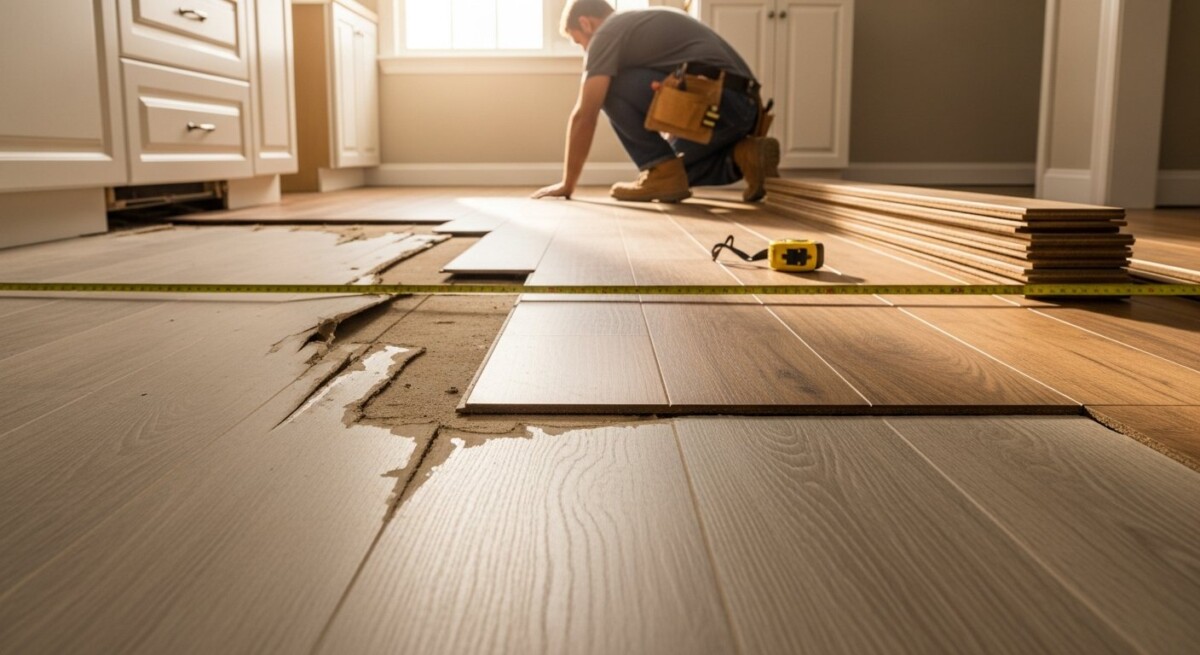
Labor requirements also vary. A project that involves moving plumbing or electrical lines demands skilled tradespeople who charge higher rates. Accessibility matters too,a roof with a steep pitch or a crawl space with limited headroom takes longer and costs more. The age of your home is another factor: older houses often have outdated wiring, asbestos, or lead paint that must be handled carefully, adding to the total. For flooring projects, understanding these cost drivers is especially important.
Costs can vary depending on the condition of your home. The best way to know the price is to get a personalized estimate. Request free quotes from contractors or call today.
How to Choose the Right Contractor
Selecting the right contractor is about more than picking the middle quote. It is about finding a professional who communicates clearly, stands behind their work, and understands your vision. Start by gathering at least three detailed quotes so you can compare them side by side.
- Check licenses and insurance: Verify that the contractor is licensed in your state and carries liability and workers’ compensation insurance.
- Read customer reviews: Look for recent reviews on Google, Yelp, or the Better Business Bureau.
- Ask for detailed estimates: Reject vague quotes,demand a line-item breakdown of materials, labor, and permits.
- Compare multiple quotes: Use a platform like FreeQuotes.Contractors to receive and compare offers from pre-vetted pros.
- Confirm experience with similar projects: Ask for photos or references from recent jobs like yours.
Long-Term Benefits of Professional Work
Investing in professional repair or remodeling pays off for years to come. A properly installed roof, a code-compliant electrical system, or a well-built deck provides peace of mind and lasting performance. You will not have to worry about premature failures or safety hazards.
Professional work also boosts your home’s value. When it comes time to sell, buyers and appraisers look for quality finishes and proper permits. Energy-efficient upgrades like new windows or insulation lower your monthly bills. And because professionals use durable materials and proven techniques, you spend less on maintenance over time. The upfront cost of a fair quote is a small price for long-term comfort, safety, and value.
Are contractor quotes always free?
Most reputable contractors offer free initial quotes for standard projects like roofing, HVAC, or bathroom remodeling. However, some highly specialized or custom work may involve a small consultation fee. Always ask upfront whether the quote is free and what it includes.
Why are contractor quotes so different from each other?
Quotes vary because contractors use different materials, labor rates, overhead costs, and profit margins. Some include permits and warranty coverage, while others do not. The scope of work may also differ,one contractor might plan for extra structural support while another assumes the existing structure is fine.
Should I always choose the lowest quote?
No. The lowest quote often cuts corners on materials, insurance, or permits. It may also lead to change orders that drive up the final cost. Instead, compare the details of each quote and choose the contractor who offers the best value, not the lowest price.
How many contractor quotes should I get?
Aim for at least three quotes from licensed, insured contractors. This gives you a solid basis for comparison and helps you spot outliers that are too high or too low. Some homeowners get four or five for large projects like a full home renovation.
What should a contractor quote include?
A professional quote should include a detailed scope of work, material specifications (brands and models), labor costs, permit fees, a project timeline, payment schedule, and warranty information. It should also state the contractor’s license and insurance details.
Can I negotiate a contractor’s quote?
Yes, but negotiate respectfully. Instead of asking for a discount, ask if you can reduce costs by choosing different materials or simplifying the design. Some contractors will match a competitor’s price if the scope is identical.
How do I know if a contractor is trustworthy?
Check their license and insurance, read online reviews, ask for references, and look for membership in professional associations. A trustworthy contractor will answer your questions clearly and provide a written contract before work begins.
What happens if the final cost exceeds the quote?
If the contractor finds unexpected issues like rot or outdated wiring, they should discuss it with you before proceeding. A good contract includes a clause for change orders, so you approve any extra costs in writing. Avoid contractors who demand payment upfront or refuse to explain overruns.
Understanding what makes contractor quotes different is the first step toward a successful home improvement project. Do not let confusion or fear of high costs delay necessary repairs. The sooner you gather detailed quotes from qualified professionals, the sooner you can protect your home, your budget, and your peace of mind. Start by comparing contractor quotes today,your home will thank you.