How to Deal With Contractor Overcharging: A Homeowner Guide
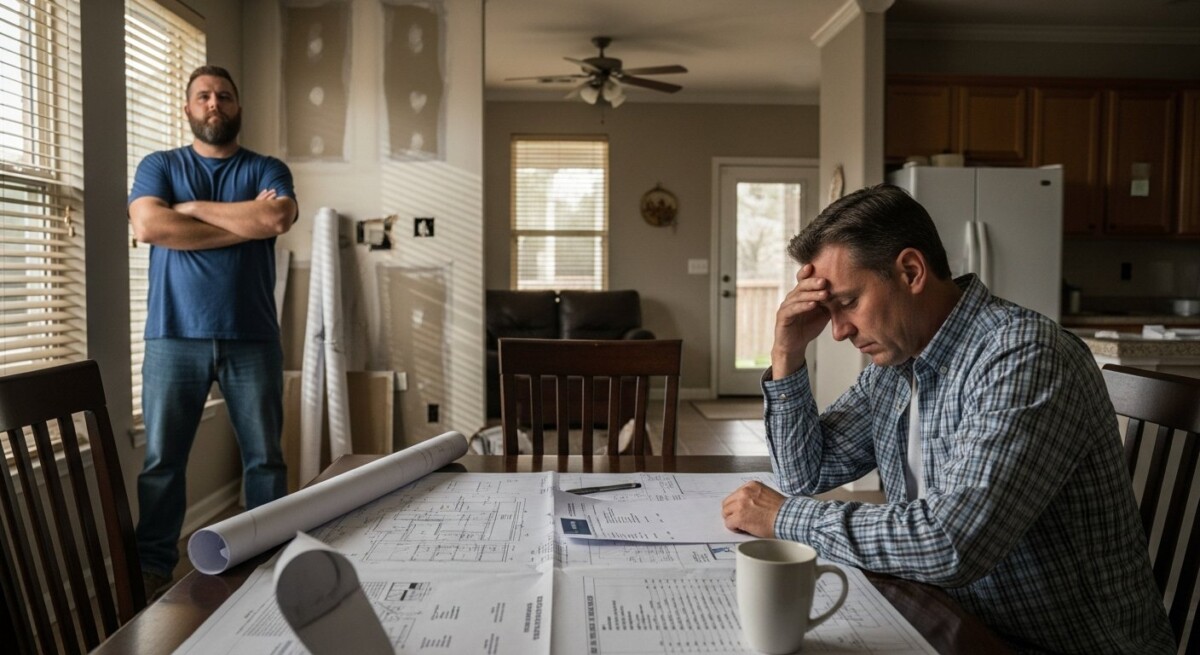
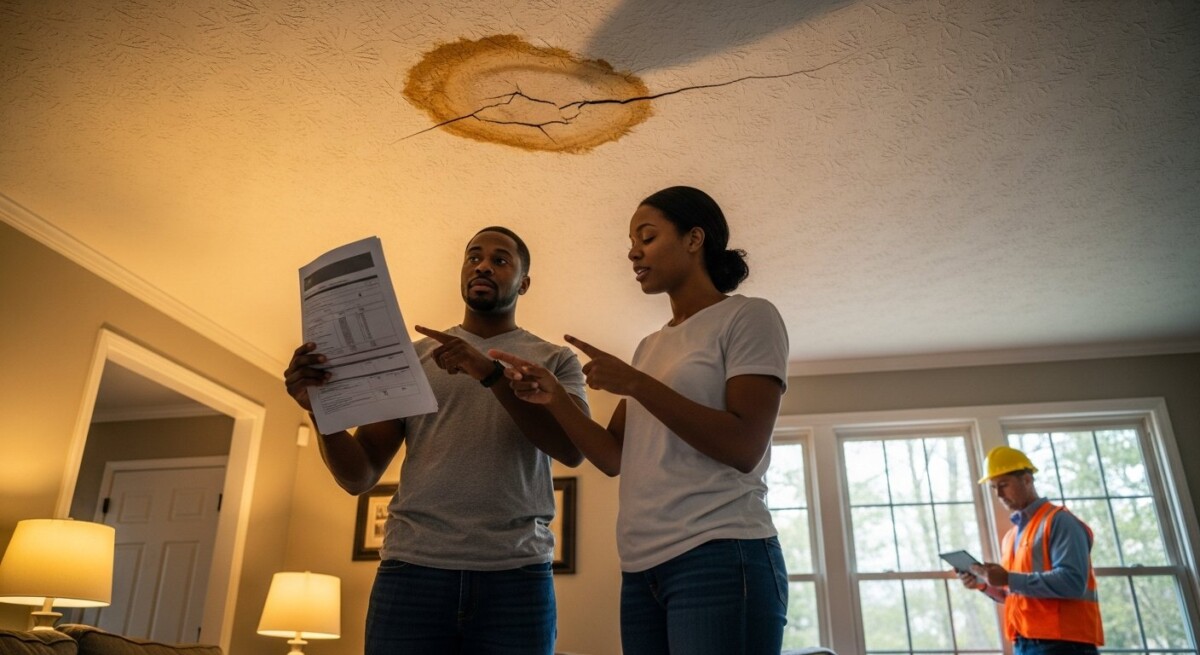
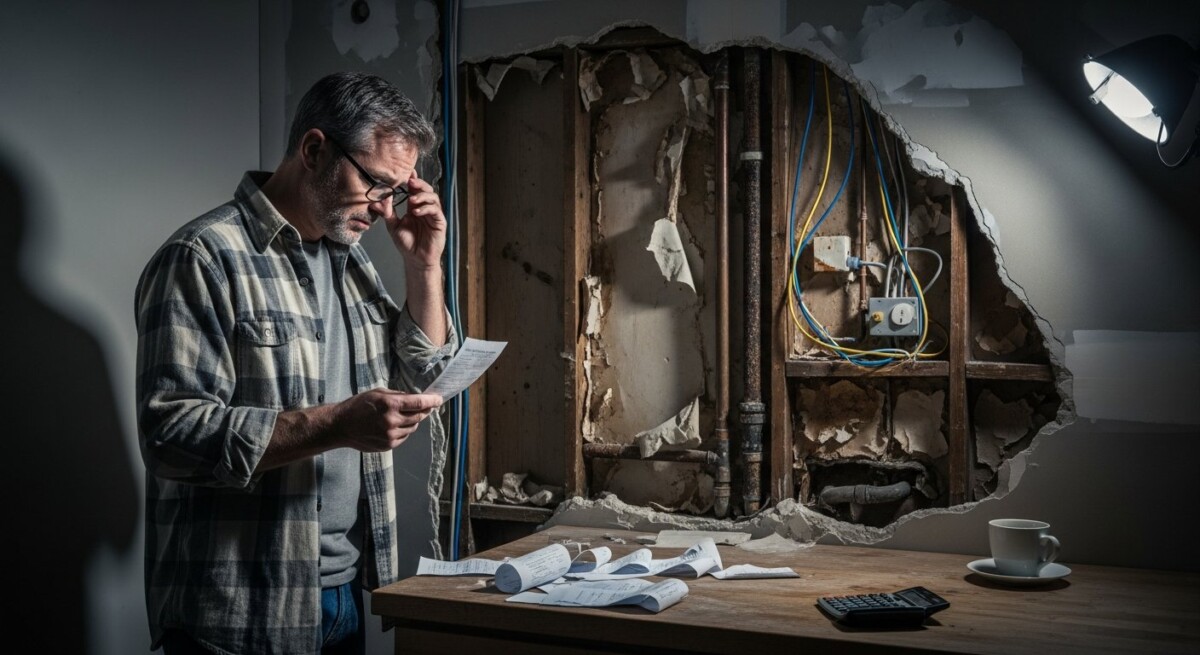
You finally decide to fix that leaky roof or remodel the outdated bathroom. You hire a contractor, agree on a price, and the work begins. But when the final bill arrives, the numbers are much higher than expected. Suddenly, you are facing charges for materials you never approved, extra labor fees, or vague line items that make no sense. This is the sinking feeling of contractor overcharging, and it is more common than many homeowners realize.
Discovering that you have been overcharged can feel overwhelming, especially when the work is already done or halfway complete. You might worry about confrontation, wonder if you have any rights, or simply feel stuck. However, ignoring the problem or paying the inflated bill without question can lead to serious financial strain and set a bad precedent for future projects. Learning how to deal with contractor overcharging is not just about saving money on one job,it is about protecting your home, your budget, and your peace of mind.
In this guide, we will walk through practical steps you can take when you suspect you are being overcharged, explain why some contractors inflate prices, and show you how to avoid this situation entirely. Whether you are in the middle of a project or planning a new one, understanding your options will help you stay in control.
Understanding how to deal with contractor overcharging
Contractor overcharging happens when a contractor charges more than the agreed-upon price or adds unexpected fees without proper justification. This can take many forms, such as charging for work not performed, inflating material costs, adding hidden fees for permits or cleanup, or billing for extra hours that were not authorized. It is not always intentional, but it often leaves homeowners feeling cheated and unsure of what to do next.
This issue can affect any homeowner, but those who are new to remodeling or who hire contractors without a detailed written contract are especially vulnerable. Older homes or large-scale projects with many subcontractors also create more opportunities for billing errors or deliberate overcharging. The key is understanding that you have rights and options, even after the work has started.
Why some contractors overcharge
Some contractors overcharge because they see an opportunity to take advantage of a homeowner who is not familiar with construction costs. Others may have poor accounting practices and simply make mistakes. In some cases, a contractor might be struggling financially and uses extra charges to cover their own overhead. Regardless of the reason, the result is the same: you pay more than you should for a service that is already expensive.
Why This Matters for Your Home
Being overcharged is not just a financial hit. It can also damage your trust in home improvement professionals and make you hesitant to invest in necessary repairs. When you feel taken advantage of, you might delay future maintenance or choose cheaper, lower-quality solutions that end up costing more in the long run. Over time, this can lead to safety risks, property damage, and a decrease in your home’s value.
For example, if you are overcharged on a roofing repair, you might skip the recommended flashing replacement to save money. A few months later, water seeps into your attic, causing mold and rot that requires thousands of dollars in remediation. The initial overcharge becomes a minor issue compared to the cascade of problems that follow. Understanding how to deal with contractor overcharging helps you avoid these domino effects and keeps your home safe and sound.
If you notice signs of this issue in your home, it may help to speak with a qualified contractor. Request a free quote or call to explore your repair or remodeling options.
Common Problems Homeowners Experience
Homeowners who face overcharging often report similar patterns. The most common scenario is a verbal estimate that mysteriously doubles once the work begins. Another frequent issue is being charged for materials that were never delivered or for labor hours that seem excessive for the task performed. Some homeowners also discover that their contractor added a “management fee” or “coordination fee” that was never discussed upfront.
These problems are not limited to shady operators. Even reputable contractors can make billing mistakes or fail to communicate change orders clearly. The difference is how they respond when you question the charges. A good contractor will explain the bill, provide receipts, and adjust any errors. A bad one will become defensive or pressure you to pay immediately.
- Final bill significantly higher than the original written estimate
- Unexpected charges for permits, dumpsters, or cleanup fees
- Materials listed on the invoice that you never approved or saw on site
- Labor hours that seem too high for the scope of work
- Vague line items like “miscellaneous” or “supplies” without details
- Pressure to pay in cash or without a detailed receipt
How Professionals Solve the Problem
When you work with a professional contractor who values transparency, overcharging is rarely an issue. Reputable contractors provide detailed, itemized estimates before any work begins. They explain what each charge covers, from materials to labor to permits. If additional work is needed, they issue a written change order that you must approve before they proceed. This system protects both you and the contractor from misunderstandings.
If you suspect you have been overcharged, a professional contractor can also help you review the bill. Many offer free consultations or second opinions where they examine the work done and compare it to the charges. This can give you leverage when disputing an invoice or help you understand if the price was actually fair. In our guide on how to deal with contractor overcharging, we explain how to gather evidence and communicate effectively with your contractor.
- Review your original contract and compare it to the final invoice line by line.
- Ask for receipts for all materials and subcontractor labor.
- Request a written explanation for any charge that exceeds the estimate by more than 10%.
- If the contractor refuses to provide documentation, pause payment and seek mediation.
- Consider hiring an independent estimator to verify the costs.
A professional inspection can reveal hidden issues before they become expensive repairs. Compare contractor quotes here or call to discuss your project.
Warning Signs You Should Not Ignore
You do not have to wait until the final bill arrives to spot potential overcharging. There are early warning signs that a contractor may be inflating costs. Pay attention to how the contractor communicates about money. If they are vague about pricing, avoid putting estimates in writing, or push you to make quick decisions, these are red flags. Also, be wary of contractors who demand a large upfront deposit or insist on cash payments.
Another sign is when the contractor frequently finds “unexpected problems” that require more money. While some issues are legitimate, a pattern of discovering new problems every visit can indicate that the contractor is padding the bill. Trust your instincts,if something feels off, it probably is. Taking action early can prevent a small overcharge from turning into a major financial headache.
- The contractor refuses to provide a written contract or detailed estimate
- You are asked to pay more than 30% upfront before any work begins
- The contractor adds charges without first discussing them with you
- You notice materials are being ordered in quantities far beyond what the job requires
- Subcontractors show up but the contractor charges you for work they did not do themselves
- The contractor pressures you to pay before the job is fully complete
What Affects the Cost of Repairs or Installation
Understanding what goes into a fair price helps you spot overcharging. Several factors influence the cost of home repairs and remodeling. The size of the project is the most obvious factor,a larger area or more complex job requires more materials and labor. The type of materials you choose also plays a big role, with premium products costing significantly more than standard options. Labor rates vary by region and by the contractor’s experience level.
Accessibility is another factor. If your repair is in a hard-to-reach area, such as a steep roof or a tight crawl space, the contractor will need more time and equipment, which increases the price. The age of your home can also affect costs, as older homes may have outdated wiring, plumbing, or structural elements that require special handling. A fair contractor will explain all of these factors in their estimate so you understand why the price is what it is.
Costs can vary depending on the condition of your home. The best way to know the price is to get a personalized estimate. Request free quotes from contractors or call today.
How to Choose the Right Contractor
Selecting the right contractor from the start is the most effective way to avoid overcharging. Do not hire the first contractor you find or choose solely based on the lowest price. Instead, take time to research and compare. A thorough vetting process helps you find a contractor who is honest, experienced, and transparent about pricing. This investment of time pays off by reducing stress and protecting your budget.
One of the best strategies is to get multiple quotes for the same project. Comparing estimates side by side reveals who is charging fairly and who might be inflating prices. When you have three or four quotes, you can see the average cost and spot outliers. Also, pay attention to how detailed each estimate is. A contractor who provides a vague one-page quote is more likely to add surprise charges later than one who gives a multi-page breakdown.
- Verify that the contractor is licensed and insured in your state
- Read online reviews on Google, Yelp, and the Better Business Bureau
- Ask for references from recent projects similar to yours
- Request a detailed, written estimate that includes labor, materials, permits, and cleanup
- Compare at least three quotes before making a decision
Long-Term Benefits of Professional Work
Hiring a professional contractor who does not overcharge brings benefits that go beyond the initial project. When the work is done right the first time, you avoid costly callbacks and repairs. Professional installations and repairs are more durable, which means you will not have to replace or fix them as often. This saves you money and hassle over the life of your home.
Additionally, professional work often includes warranties on both materials and labor. If something goes wrong, you have recourse without additional cost. This peace of mind is invaluable, especially for major projects like roofing, HVAC, or foundation work. In our contractor overcharging guide, we emphasize that investing in a trustworthy professional is not an expense,it is a long-term investment in your home’s value and safety.
How much should I pay a contractor upfront?
Most reputable contractors ask for a deposit of 10% to 30% of the total project cost. Avoid paying more than 30% upfront, and never pay the full amount before work is complete. A large upfront payment can leave you vulnerable if the contractor disappears or does poor work.
Can I dispute a contractor invoice after paying?
Yes, you can dispute an invoice even after payment, but it becomes more difficult. If you have a written contract and proof of unauthorized charges, you may be able to take the contractor to small claims court or file a complaint with your state’s contractor licensing board.
What is a change order and why does it matter?
A change order is a written amendment to your original contract that details any changes in scope, materials, or cost. Always require a change order before additional work begins. Without one, you have no documentation if the contractor tries to overcharge for extra work.
How do I know if a contractor’s price is fair?
Get multiple quotes from different contractors for the same scope of work. If three quotes are within 10% of each other, that is likely the fair market price. If one quote is significantly higher or lower, ask for a detailed breakdown to understand why.
What should I do if a contractor refuses to give me a written estimate?
Do not hire that contractor. A written estimate is essential for protecting both parties. If they refuse, it is a major red flag that they may overcharge or change prices later. Find another contractor who is willing to put everything in writing.
Can I negotiate with a contractor after receiving a quote?
Yes, you can negotiate, but do so respectfully. Ask if there are ways to reduce costs, such as using different materials or doing some of the cleanup yourself. However, be cautious about cutting corners on essential safety or structural elements.
How do I report a contractor for overcharging?
Contact your state’s contractor licensing board or consumer protection agency. You can also file a complaint with the Better Business Bureau. If the amount is significant, consider consulting a lawyer or taking the contractor to small claims court.
Dealing with contractor overcharging does not have to leave you feeling helpless. By understanding your rights, asking the right questions, and comparing quotes before starting any project, you can protect your home and your wallet. The most important step is to act early,whether that means questioning a suspicious charge or simply getting multiple estimates before you commit. When you are informed and prepared, you become a savvy homeowner who gets fair value for every dollar spent. If you are planning a project or suspect you have been overcharged, take control today by comparing contractor quotes and finding a professional you can trust.