How to Analyze Contractor Estimates Like a Pro

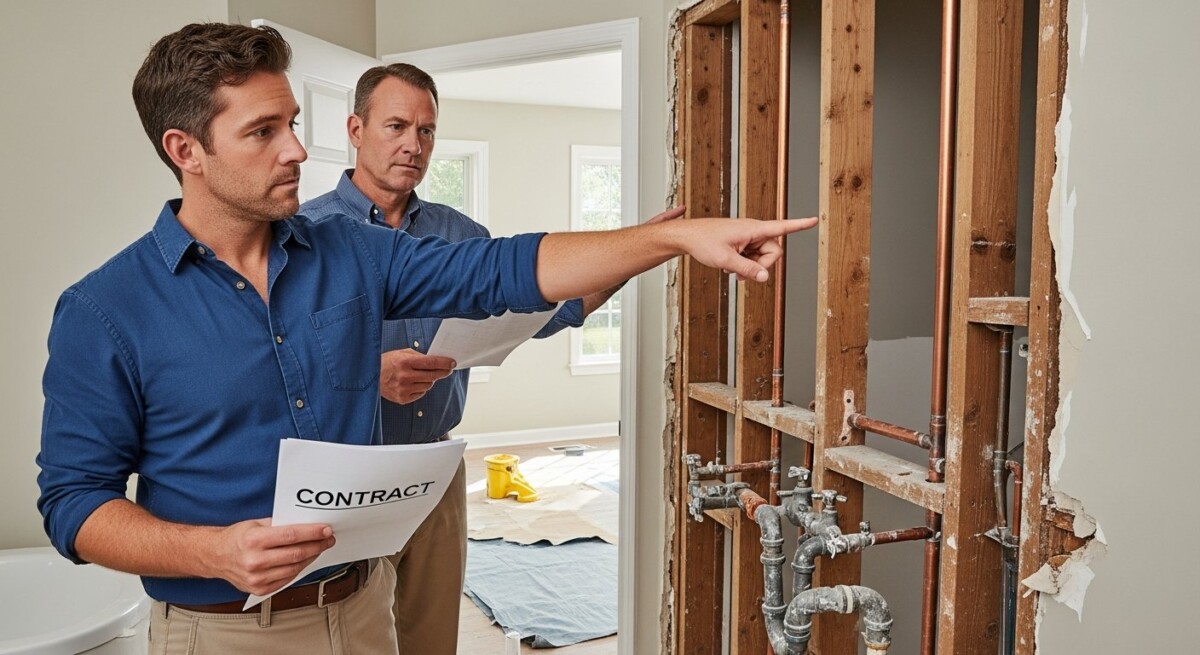
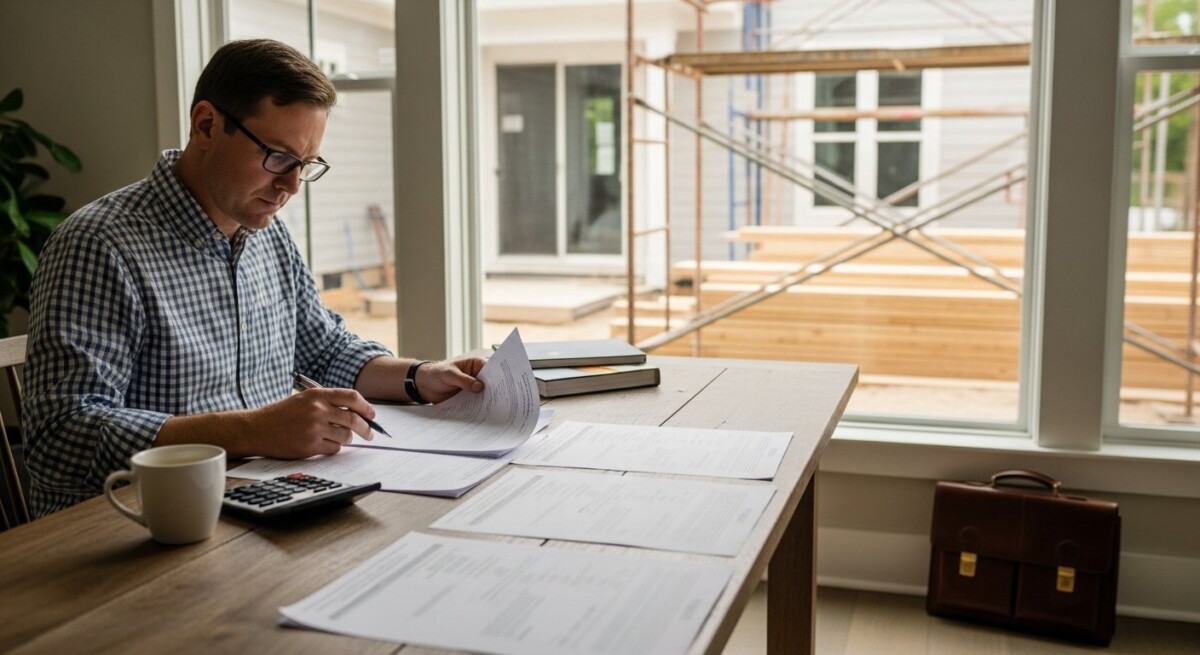
You’ve finally decided to remodel your kitchen, replace the roof, or finish the basement. You collect three contractor estimates, spread them across the kitchen table, and stare at numbers that look like they’re written in a foreign language. One bid is $8,000, another is $12,000, and the third is $15,000,for the same project. Which one do you choose? This is the moment every homeowner dreads, and it’s exactly why learning how to analyze contractor estimates can save you thousands of dollars and months of regret.
Many homeowners pick the lowest bid, thinking they’ve scored a deal, only to discover hidden fees, subpar materials, or work that doesn’t pass inspection. Others choose the highest bid, assuming it guarantees quality, and end up overpaying for services they didn’t need. The real problem is that most contractor quotes are not created equal. Without a clear understanding of what each line item means, you are essentially gambling with your home’s safety and your family’s budget.
If you ignore this issue, the consequences can spiral. A small bathroom renovation can turn into a nightmare of water damage, mold, and structural repairs that cost three times the original estimate. Learning how to analyze contractor estimates isn’t just about saving money,it’s about protecting your biggest investment.
Understanding how to analyze contractor estimates
At its core, analyzing a contractor estimate means breaking down a single price into its component parts so you can compare apples to apples. A professional estimate should include labor, materials, permits, cleanup, and a timeline. But many quotes only show a lump sum, leaving you guessing about what you’re actually paying for.
This happens because contractors use different pricing models. Some charge a flat fee, others bill by the hour, and some add a markup on materials. You might also see vague terms like “miscellaneous” or “contingency” that hide unexpected costs. Homes most affected are older properties with outdated wiring, plumbing, or foundations, but even new homes can have surprises when you start opening walls.
To make sense of it all, you need a simple system. Start by asking each contractor for a detailed, itemized estimate in writing. Then compare line by line, not just the bottom line. If one contractor’s labor costs are half of another’s, ask why. If materials are listed as “standard grade,” ask for brand names and model numbers. This step alone will reveal which contractors are thorough and transparent.
What a detailed estimate should include
A trustworthy contractor will break down costs into categories such as demolition, framing, electrical, plumbing, drywall, painting, and final cleanup. Each category should list expected labor hours, material quantities, and any subcontractor fees. You should also see a section for permits and inspections, which protects you from fines and ensures the work meets local building codes. If an estimate lacks these details, consider it a red flag.
Why this matters for your home
Your home is more than just a place to live,it’s a financial asset that needs protection. When you sign a contract based on an unclear estimate, you risk paying for work that isn’t completed correctly or safely. For example, a contractor who underestimates the labor needed for a roof replacement might rush the job, leaving gaps that cause leaks and water damage to your attic and walls.
Safety risks also increase with poor estimates. If electrical work is quoted without accounting for the age of your wiring, the contractor may overload circuits, creating a fire hazard. Similarly, a foundation repair estimate that doesn’t include proper drainage can lead to cracks and shifting over time. By learning how to analyze contractor estimates, you reduce these risks because you can spot potential shortcuts before work begins.
Comfort is another factor. A heating and cooling system installed with undersized ductwork or wrong materials will struggle to keep your home at a consistent temperature. You might end up with high energy bills and rooms that are always too hot or too cold. Delaying the repair or choosing a vague estimate can turn a simple upgrade into a costly, uncomfortable problem.
If you notice signs of this issue in your home, it may help to speak with a qualified contractor. Request a free quote or call (555) 123-4567 to explore your repair or remodeling options.
Common problems homeowners experience
Homeowners often discover discrepancies in estimates only after the project starts. The most common problem is “scope creep”,when the contractor adds extra charges for work you assumed was included. For instance, you might pay for a new bathroom vanity, but the estimate didn’t include removing the old one or disposing of the packaging. These small surprises add up quickly.
Another frequent issue is material quality. One contractor may quote “standard tile” while another specifies “porcelain tile from Brand X.” Without comparing these details, you might end up paying a premium for thin, low-quality materials that crack within a year. Similarly, labor rates can vary wildly based on whether the contractor uses licensed electricians or general laborers.
Here are the top problems homeowners face when comparing estimates:
- Hidden fees , Charges for permits, dump fees, or travel that aren’t listed upfront.
- Vague material descriptions , Terms like “builder grade” or “standard finish” that leave room for substitution.
- Unrealistic timelines , Estimates that promise completion in half the time of other bids, often leading to rushed work.
- Missing scope items , Work like caulking, sealing, or trim that is essential but not mentioned.
- Inconsistent warranty terms , Some contractors offer a one-year warranty, while others offer five years or more.
- No payment schedule , A lump sum due upfront can signal a contractor who might not finish the job.
How professionals solve the problem
Experienced contractors approach estimating with transparency and precision. They walk through your home, take measurements, and note every detail that could affect cost. They also check your home’s age, existing systems, and any code requirements specific to your area. This thorough assessment ensures that the estimate you receive is as accurate as possible from the start.
A typical professional process looks like this:
- On-site inspection , The contractor examines the work area, checks for hidden issues like rot or outdated wiring, and discusses your goals.
- Detailed proposal , You receive an itemized estimate with labor, materials, permits, and a timeline. The proposal also includes the contractor’s license number and insurance information.
- Transparent communication , The contractor explains each line item, answers your questions, and offers options for materials or timelines that fit your budget.
- Written contract , Once you agree, the contract includes the final price, payment schedule, warranty terms, and a process for handling changes.
- Project management , During the work, the contractor provides updates, manages subcontractors, and handles inspections to ensure code compliance.
Professional work is almost always safer and more reliable than a DIY approach or hiring an unlicensed handyman. Licensed contractors carry insurance that protects you if something goes wrong, and they stand behind their work with warranties. In our guide on understanding contractor estimates for your home renovation, we explain how to verify these credentials.
A professional inspection can reveal hidden issues before they become expensive repairs. Compare contractor quotes here or call (555) 123-4567 to discuss your project.
Warning signs you should not ignore
Your home often gives you clues that a contractor’s estimate might be off. For example, if a contractor gives you a quote over the phone without seeing your home, that’s a major red flag. No two homes are identical, and every project has unique challenges that only an on-site visit can reveal. Similarly, if an estimate seems too good to be true,like a kitchen remodel for half the price of other bids,it probably is.
You should also watch for contractors who pressure you to sign immediately, offer discounts for cash payments, or refuse to put the estimate in writing. These tactics often lead to incomplete work or unexpected charges. Early action can prevent these problems, so pay attention to these warning signs:
- Estimates without a site visit , The contractor didn’t come to your home but still provided a price.
- Vague or missing line items , The estimate lists “labor” and “materials” without any breakdown.
- Requests for full payment upfront , Reputable contractors ask for a deposit, not the entire balance.
- No license or insurance information , You cannot verify their credentials.
- High-pressure sales tactics , “This price is only good for today” is a common warning sign.
- Negative reviews or no online presence , Check Google, Yelp, and the Better Business Bureau for complaints.
What affects the cost of repairs or installation
Several factors influence the final price of any home project. The size of the repair or project is the most obvious,larger spaces require more materials and labor. But even within the same square footage, costs can vary based on the complexity of the work. For example, a bathroom remodel with moving plumbing and electrical lines costs more than one that keeps fixtures in the same location.
Materials also play a big role. Choosing custom cabinetry instead of stock options can double your material costs. Similarly, premium flooring like hardwood or natural stone costs more than laminate or vinyl. Labor rates depend on your location, the time of year, and the skill level required. A licensed electrician charges more than a general laborer, but that expertise ensures safety and code compliance.
Accessibility of the work area is another factor. A roof with a steep pitch or a basement with limited entry adds difficulty and risk, which increases labor costs. The age of your home matters too,older homes often have outdated systems that need upgrades to meet current codes. For homeowners in specific markets, like Chicago, understanding local pricing trends is essential. Check out our resource on understanding contractor estimates in Chicago for region-specific advice.
Costs can vary depending on the condition of your home. The best way to know the price is to get a personalized estimate. Request free quotes from contractors or call (555) 123-4567 today.
How to choose the right contractor
Selecting a contractor isn’t just about the lowest price,it’s about finding someone you trust to deliver quality work on time and on budget. Start by getting at least three estimates from licensed, insured contractors. Then, compare not just the total cost, but the details. Look for consistency in the scope of work, materials, and timeline. If one contractor’s estimate is significantly higher or lower, ask for an explanation.
You can also ask for references from recent projects similar to yours. A reputable contractor will happily provide names and photos. Check online reviews and look for patterns,one bad review among dozens of good ones is normal, but multiple complaints about the same issue (like missed deadlines or poor communication) are red flags. Finally, trust your instincts. If a contractor makes you uncomfortable or avoids answering questions, keep looking.
Here are five tips for choosing the right contractor:
- Verify licenses and insurance , Ask for proof of general liability and workers’ compensation coverage.
- Read customer reviews , Focus on recent reviews and how the contractor handles issues.
- Ask for detailed estimates , Ensure every item is listed, from permits to cleanup.
- Compare multiple quotes , Don’t settle for the first estimate you receive.
- Confirm experience , Ask how many similar projects they’ve completed in the past year.
Long-term benefits of professional work
Investing in a professional contractor who provides a clear, accurate estimate pays off in many ways. First, your home will be safer. Electrical, plumbing, and structural work done by licensed pros meets building codes and reduces the risk of fires, leaks, and collapses. Second, professional work lasts longer. Properly installed roofs, windows, and flooring can last decades without needing repairs.
Energy efficiency is another major benefit. A contractor who uses quality materials and proper installation techniques can lower your heating and cooling bills by sealing drafts and improving insulation. Over time, these savings can offset the initial cost of the project. Additionally, professional renovations increase your home’s resale value. Buyers are willing to pay more for a home with documented, code-compliant upgrades.
Finally, professional work reduces future maintenance. A well-installed bathroom won’t develop mold behind the tiles, and a properly graded driveway won’t crack from water pooling. By learning how to analyze contractor estimates and hiring a qualified pro, you invest in peace of mind. Your home stays comfortable, safe, and beautiful for years to come.
Frequently Asked Questions
How do I compare contractor estimates that look completely different?
Start by asking each contractor to break down their estimate into the same categories: labor, materials, permits, and cleanup. Then compare each category line by line. If one estimate doesn’t include a category the others do, ask why. This process reveals hidden costs and missing scope items.
What should I do if a contractor’s estimate is much lower than the others?
Don’t assume it’s a deal. A very low estimate often means the contractor plans to cut corners,using cheaper materials, skipping permits, or hiring unlicensed workers. Ask for a detailed explanation and check references. If the contractor can’t justify the price, move on.
Is it normal for contractor estimates to have a range instead of a fixed price?
Yes, for certain projects. If the work involves unknowns, like opening a wall that might reveal hidden damage, a contractor might provide a range. However, they should explain what could cause the price to increase and how they’ll communicate changes during the project.
How long should a contractor’s estimate be valid?
Most estimates are valid for 30 to 60 days. Material prices and contractor schedules can change, so a longer validity period is a good sign. If an estimate expires quickly, it may be a pressure tactic to get you to sign fast.
What is a reasonable payment schedule for a home renovation?
A typical schedule includes a small deposit (10,20%) to secure the start date, progress payments tied to completed milestones, and a final payment upon completion and your satisfaction. Avoid contractors who ask for more than 30% upfront or full payment before work begins.
Should I always choose the lowest bid?
No. The lowest bid might save you money initially, but it often leads to higher costs later due to poor workmanship, delays, or unexpected charges. Instead, choose the contractor who provides the most detailed, transparent estimate and has a strong reputation.
How can I tell if a contractor is licensed and insured?
Ask for their license number and insurance certificate. You can verify the license with your state’s contractor licensing board. For insurance, call the provider listed on the certificate to confirm the policy is active and covers the type of work you need.
What should I do if I find a mistake in a contractor’s estimate?
Contact the contractor immediately and point out the error. A professional contractor will appreciate your attention to detail and correct the estimate. If they become defensive or refuse to fix it, consider that a red flag and look for another contractor.
Learning how to analyze contractor estimates is one of the most valuable skills you can develop as a homeowner. It protects your budget, your home’s safety, and your peace of mind. Don’t wait until a small issue becomes a major repair. Start by requesting multiple quotes from qualified contractors, compare them carefully, and choose the professional who offers the best combination of transparency, experience, and value. Get free contractor quotes today and take the first step toward a successful home project.