
Flooring Materials: Durability vs Cost Comparison
Compare flooring materials by durability and cost to find the best value for your home. This guide breaks down lifespan, maintenance, and hidden expenses.

By Elena John
Learn more about Floor Installation or Replacement for guides, costs, and what to expect.
Compare Floor Installation or Replacement Pros Near You

Enter your ZIP code to compare top-rated local professionals and request free quotes.
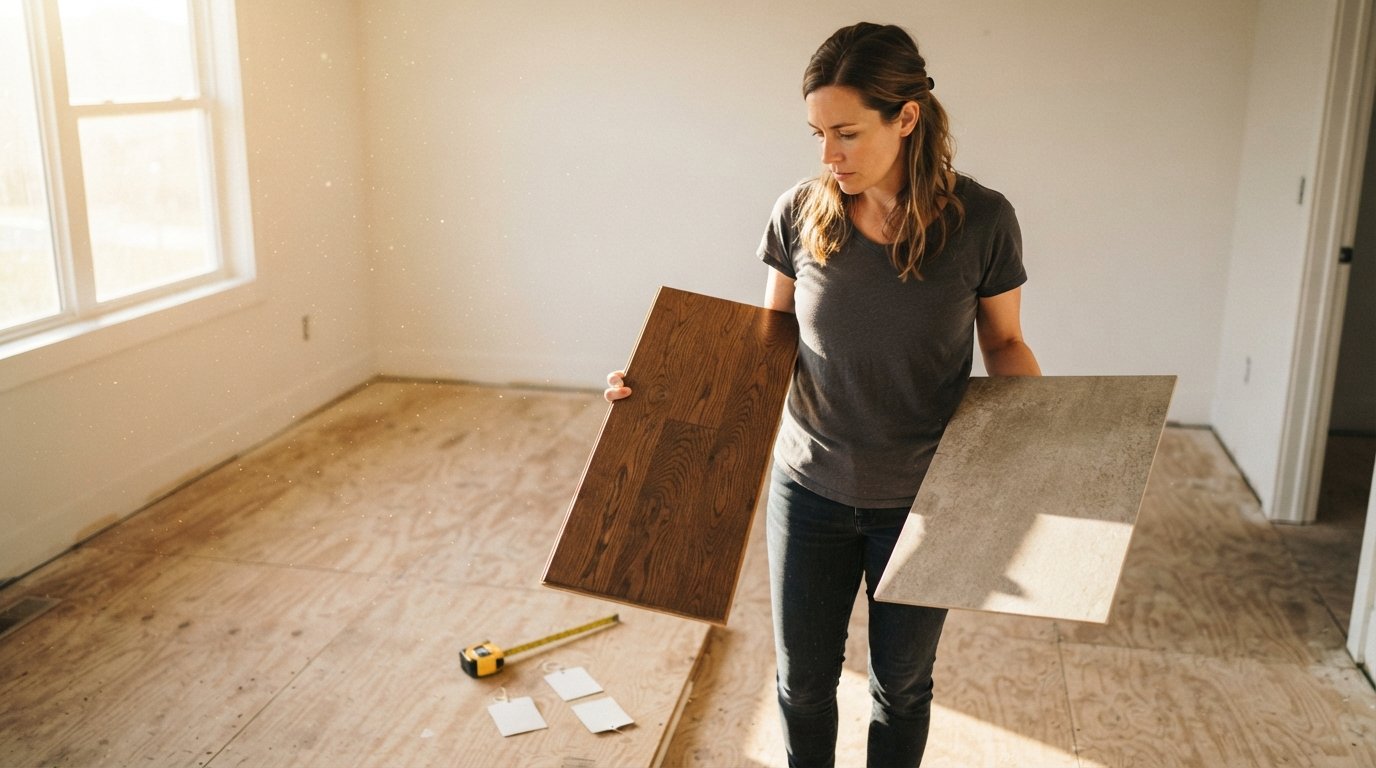
Standing in an empty room, staring at bare subfloor, you face one of the most consequential decisions in any home renovation. The floor beneath your feet affects daily comfort, resale value, and your budget for years to come. Yet most homeowners struggle with the same question: how do you balance upfront costs against long-term durability? This guide walks through a practical choosing flooring materials durability cost comparison, helping you match each option to your lifestyle, traffic levels, and financial reality.
Why Durability Matters More Than the Price Tag
Many buyers fixate on the initial price per square foot, but that number tells only part of the story. A $2 per square foot laminate may seem like a bargain, but if it needs replacement in eight years while a $6 per square foot tile lasts forty, the tile actually costs less over its lifetime. This is the core of a true durability cost comparison: you must consider the lifespan, maintenance requirements, and installation complexity of each material.
Think about how your household actually lives. Do you have pets with claws, kids who spill juice, or a home office with rolling chairs? High-traffic zones like entryways and kitchens demand tougher surfaces than low-traffic bedrooms. A material that suits a quiet condo may fail quickly in a busy family home. The best choice balances your specific wear patterns with your willingness to maintain the floor over time.
Beyond wear, consider repair and replacement costs. Some floors can be sanded and refinished multiple times, extending their life. Others, like vinyl plank, typically require full replacement once damaged. These hidden factors dramatically affect the long-term cost of ownership, which is why a simple price comparison never tells the full story.
Hardwood: Timeless Beauty with a Price
Solid hardwood remains the gold standard for durability and resale value. A well-maintained oak or maple floor can last 100 years or more, and it can be sanded and refinished five to ten times over its lifespan. This makes it a strong candidate for living rooms, dining areas, and bedrooms. However, solid wood reacts to moisture and humidity, so it is not ideal for basements or bathrooms. Expect to pay $8 to $15 per square foot for materials alone, plus $3 to $8 for professional installation. Over a 20-year period, the total cost of ownership can be surprisingly competitive because of its longevity and the ability to refresh the surface rather than replace the whole floor.
Engineered hardwood offers a more stable alternative. It features a real wood veneer over plywood or high-density fiberboard, making it less susceptible to moisture and temperature changes. You can often install it over concrete slabs, which opens up basement and even some bathroom applications. Its lifespan depends on the thickness of the wear layer, typically 20 to 40 years. Prices range from $4 to $10 per square foot, with installation costs similar to solid wood. For homeowners who love the look of wood but need more versatility, engineered hardwood often becomes the pragmatic winner.
Both options require ongoing care: sweeping, occasional damp mopping, and refinishing every 10 to 15 years. If you skip maintenance, even the finest hardwood will dull and scratch. But for those willing to invest time and money, hardwood offers unmatched character and a proven return on investment when you sell your home.
Laminate and Luxury Vinyl: The Budget-Friendly Workhorses
Laminate flooring has evolved dramatically over the past decade. Modern laminates replicate wood and stone with convincing textures, and they resist scratches, stains, and fading better than many natural materials. A quality laminate with a thick wear layer can last 15 to 25 years in normal residential use. It is a floating floor, which means it clicks together without glue or nails, making DIY installation feasible for many homeowners. Costs run $2 to $5 per square foot for materials, with professional installation adding $2 to $4. The main drawback is that laminate cannot be refinished; once the top layer wears through, you must replace it.
Luxury vinyl plank (LVP) and luxury vinyl tile (LVT) have surged in popularity because they combine water resistance with realistic visuals and a softer feel underfoot. They are 100% waterproof, making them ideal for kitchens, bathrooms, laundry rooms, and basements. LVP typically lasts 15 to 20 years, and some premium products carry lifetime warranties. Prices range from $2 to $7 per square foot, with installation costing $2 to $5. Many homeowners choose LVP for its ease of maintenance: it needs only sweeping and occasional mopping, and it handles pet accidents and spills without damage.
When comparing laminate vs. vinyl, consider your priorities. Laminate offers a more authentic wood look at a slightly lower price, but it cannot handle standing water. Vinyl wins in moisture-prone areas and is often more forgiving underfoot. Both are excellent choices for budget-conscious renovators, provided you match the product to the room's conditions.
Tile and Stone: Maximum Durability, Higher Installation Costs
Porcelain and ceramic tile are among the most durable flooring materials available. Porcelain, in particular, has a very low water absorption rate, making it suitable for bathrooms, entryways, and even outdoor covered patios. With proper installation and grout maintenance, tile can last 50 years or more. Material costs range from $3 to $15 per square foot, but installation is the real expense: expect to pay $5 to $15 per square foot for professional labor, especially if the subfloor needs preparation or the layout involves complex cuts. The hard surface is unforgiving on dropped dishes and can be cold underfoot, though radiant heating systems can mitigate that.
Natural stone, such as marble, granite, travertine, and slate, offers a luxurious, timeless aesthetic. Each slab is unique, and the material can last a lifetime if sealed properly. However, stone is porous and requires regular sealing to prevent stains and moisture damage. Prices vary widely, from $5 for basic slate to $20 or more for premium marble. Installation is highly specialized, often costing $10 to $20 per square foot. Stone also chips and scratches more easily than porcelain, so it demands careful maintenance. For most homeowners, porcelain tile provides similar durability at a fraction of the cost.
Grout lines remain the weak point of any tile installation. They can stain, crack, or harbor mold if not sealed and cleaned. Using epoxy grout instead of cement-based grout adds durability but increases cost. Factor in these maintenance requirements when evaluating tile's long-term value.
Carpet and Other Soft Surfaces: Comfort Over Longevity
Carpet is the preferred choice for bedrooms and cozy living spaces because of its softness and sound absorption. However, it has the shortest lifespan of any major flooring type. A typical carpet lasts 5 to 15 years, depending on fiber quality, pile density, and traffic. Nylon and Triexta fibers offer the best durability, while polyester and olefin are less resilient and more prone to matting. Carpet costs $2 to $8 per square foot, with installation adding $1 to $3. It also requires regular vacuuming and professional deep cleaning to maintain appearance and hygiene. Stains and odors can be nearly impossible to remove, especially with pets or young children.
There are other soft flooring options worth considering. Cork and bamboo are sustainable choices that bring warmth and unique textures. Cork is naturally antimicrobial and comfortable underfoot, but it dents easily and requires sealing. Bamboo is harder than many hardwoods and eco-friendly, but it is susceptible to scratches and moisture damage. Both fall in the $3 to $8 per square foot range, with installation costs similar to hardwood. These materials appeal to environmentally conscious homeowners who prioritize comfort and style over extreme durability.
Installation Costs and Hidden Expenses
No flooring cost comparison is complete without installation. Labor rates vary by region and material complexity. Simple floating floors like laminate or LVP can be installed by a handy DIYer, saving $2 to $5 per square foot. Nail-down hardwood, glue-down vinyl, and tile require professional expertise to ensure a level, lasting result. Before you commit, get multiple quotes and ask about subfloor preparation, old floor removal, and disposal fees. These extras can add 10% to 20% to your total project cost.
Also, consider the condition of your existing subfloor. Concrete slabs may need leveling compound, while wooden subfloors might require plywood underlayment. Moisture barriers, acoustic underlayment, and transition strips are additional line items that often appear on the final invoice. A thorough quote should itemize all of these so you can compare apples to apples.
Maintenance and Lifespan: The Long-Term Equation
Durability is not just about the material's inherent toughness; it is also about how much care you are willing to provide. Hardwood needs periodic refinishing, tile requires grout sealing, and carpet demands frequent cleaning. A low-maintenance material like luxury vinyl may cost more upfront than a cheap carpet, but it saves you hours of labor and hundreds of dollars in cleaning products over its lifetime.
Here is a quick reference for typical lifespans and maintenance needs across popular flooring types:
- Solid hardwood: 50 to 100 years; refinish every 10 to 15 years; use mild cleaners only.
- Engineered hardwood: 20 to 40 years; cannot refinish more than once or twice; water-resistant but not waterproof.
- Laminate: 15 to 25 years; replace when worn; avoid excessive moisture.
- Luxury vinyl plank: 15 to 20 years; almost zero maintenance; 100% waterproof.
- Porcelain tile: 50+ years; seal grout periodically; clean with pH-neutral solutions.
- Carpet: 5 to 15 years; vacuum weekly; deep clean annually.
When you multiply the annual maintenance cost by the lifespan, the true cost of each material becomes clearer. A floor that needs frequent repairs or replacement will almost always cost more in the long run, regardless of its initial price.
Making the Final Choice: A Decision Framework
Start by defining your priorities. Rank the following factors from most to least important: budget, durability, appearance, comfort, maintenance, and environmental impact. Then, assign a score to each candidate material based on how well it meets those priorities. This systematic approach prevents you from being swayed by a beautiful showroom display that fails in your real-world conditions.
Next, consider the room's function. Kitchens and bathrooms demand water resistance, so tile or vinyl are safe bets. Bedrooms and home theaters benefit from carpet or cork for comfort and acoustics. High-traffic entryways and hallways need the toughness of tile, hardwood, or dense vinyl. Matching the material to the room's specific demands is the single best way to avoid premature wear.
Finally, think about your future plans. If you intend to sell within a few years, hardwood and tile offer the best return on investment. If you are settling in for the long haul, choose materials that you will enjoy maintaining for decades. A neutral, timeless choice like oak hardwood or large-format porcelain tile appeals to most buyers and never goes out of style.
Getting Accurate Quotes and Finding Trusted Pros
Once you have narrowed down your options, obtain detailed quotes from multiple contractors. A professional installer can also point out potential issues with your subfloor or layout that might affect the final cost. Use the quotes to compare not just the total price, but also the scope of work, warranty, and timeline. Do not automatically pick the lowest bid; look for the best value and a contractor who communicates clearly.
For homeowners who want to streamline this process, platforms like our renovation material cost guide offer valuable insights into budgeting and planning. Additionally, connecting with vetted local professionals through a service like Repairmen can save you hours of research and help you avoid unreliable tradespeople. These resources simplify the contractor selection process, allowing you to focus on the excitement of your new floor.
Choosing the right flooring is a balance of art and science. The material you select will shape the look and feel of your home for years, so it deserves careful thought. By weighing durability, cost, maintenance, and installation factors, you can make an informed decision that satisfies both your aesthetic desires and your practical needs. Remember that the cheapest option upfront is rarely the most economical over time. Invest in quality where it matters most, and your floors will reward you with decades of beauty and performance.