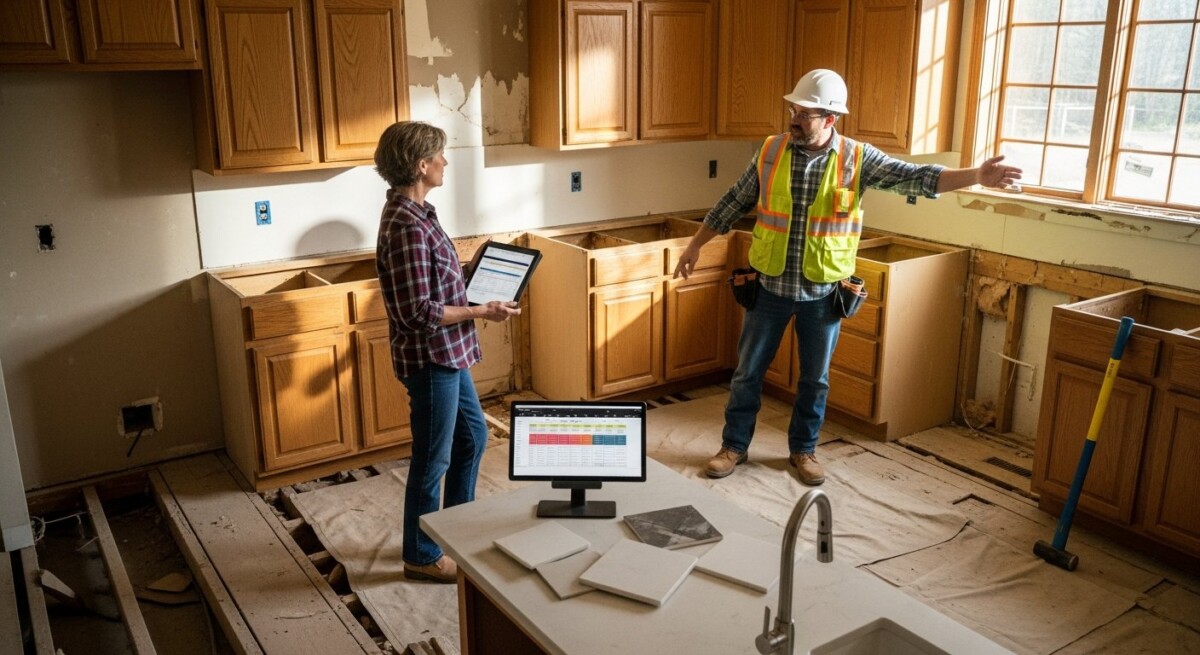
Contractor Bid Comparison Tool: Save Money and Avoid Costly Mistakes

You finally decided to fix that drafty window or remodel your outdated bathroom. You called three contractors, spent hours on the phone, and now have three different bids sitting in your inbox. One is half the price of the other. Another includes materials you never asked for. The third is written in confusing shorthand. You are left wondering which one is fair and which one will leave you with a half-finished project and a hole in your wallet. This is exactly where a contractor bid comparison tool can turn confusion into clarity.
Many homeowners discover this problem the hard way,after they pick the cheapest bid only to face shoddy work or hidden fees. Others choose the most expensive bid assuming it guarantees quality, only to overpay for standard service. Without a structured way to evaluate bids, you risk wasting thousands of dollars and months of stress. A contractor bid comparison tool helps you line up estimates side by side, spot discrepancies, and make an informed decision that protects your home and your budget.
Ignoring the differences between bids can lead to serious consequences. A lowball estimate might skip critical steps like permits or proper waterproofing. A vague bid may leave you paying for change orders later. The right tool helps you avoid these traps by showing you what each contractor actually plans to do and what it will really cost.
Understanding Contractor Bid Comparison Tool
A contractor bid comparison tool is a simple system,often a spreadsheet, a checklist, or an online platform,that lets you review multiple contractor estimates on an even playing field. Instead of comparing a handwritten note from one contractor to a detailed line-item proposal from another, the tool standardizes the information so you can see differences in scope, materials, labor, and timelines at a glance.
This matters because contractors often structure bids differently. One might bundle everything into a single price, while another breaks down costs for labor, materials, permits, and cleanup. Without a comparison tool, you might miss that the cheaper bid excludes demolition or disposal fees. The tool forces transparency and helps you ask the right questions before signing a contract.
Homes most affected by bid confusion are those undergoing medium-to-large projects: kitchen remodels, roof replacements, basement finishing, or whole-house renovations. These projects involve multiple trades, complex materials, and significant investment. A bid comparison tool is especially valuable here because the cost of a mistake is high.
How a Simple Spreadsheet Can Save You Thousands
Even a basic spreadsheet with columns for each contractor and rows for each line item,materials, labor, permits, timeline, warranty,can reveal shocking differences. You might discover that one contractor plans to use premium materials while another uses builder-grade stock, yet prices them similarly. Or you might see that the lowest bidder allocated no time for site protection, meaning your floors and landscaping could be damaged. A comparison tool turns guesswork into a data-driven decision.
Why This Matters for Your Home
Your home is likely your largest asset, and a poorly managed renovation can reduce its value instead of increasing it. When you choose a contractor based on price alone,without understanding what each bid covers,you risk structural issues, code violations, and safety hazards. A roof installed with the wrong underlayment may leak within a year. A bathroom remodel that skips proper waterproofing can lead to mold and rot behind the walls. These problems are expensive to fix and dangerous for your family.
Delaying the decision because you are overwhelmed by bids is also risky. Minor issues like a small leak or cracked foundation wall only get worse over time. Water damage spreads, wood rots, and pests move in. The cost of repair often doubles or triples when you wait. Using a bid comparison tool helps you move forward confidently, knowing you have evaluated your options thoroughly.
Comfort and energy efficiency also take a hit when work is done poorly. Windows that are not sealed correctly let drafts in and heating or cooling out. Insulation installed without proper vapor barriers can trap moisture and reduce efficiency. Professional contractors who provide detailed, comparable bids are more likely to follow best practices that keep your home comfortable and your utility bills low.
If you notice signs of this issue in your home, it may help to speak with a qualified contractor. Learn why contractor bids vary widely and what it means for your home, or call (555) 123-4567 to explore your repair or remodeling options.
Common Problems Homeowners Experience
Homeowners often run into the same frustrating scenarios when comparing contractor bids. One common problem is the “bait-and-switch” bid, where the initial price looks great but the contractor adds charges for basic items like dumpster rental or travel fees after work begins. Another issue is the “scope gap,” where one contractor includes replacement of subflooring while another assumes the existing subfloor is fine,leading to surprises when it is not.
Even when bids appear similar on the surface, the quality of materials can vary wildly. One contractor may quote standard vinyl flooring while another quotes luxury vinyl plank with a thicker wear layer. Without a comparison tool, you might assume both bids are for the same product and choose the lower price, only to end up with flooring that wears out in two years.
- Inconsistent line items: One bid includes permits and inspections; another does not.
- Vague descriptions: “Install flooring” with no mention of brand, grade, or installation method.
- Hidden fees: Charges for travel, disposal, or cleanup that are buried in the fine print.
- Different timelines: One contractor promises two weeks; another says six weeks,but the fast bid may skip drying time.
- Warranty differences: One offers a 10-year workmanship warranty; another offers only one year.
- Payment terms: Some ask for 50% upfront; others tie payments to completed milestones.
How Professionals Solve the Problem
Experienced contractors know that clear, detailed bids build trust and reduce disputes. They typically provide a written proposal that breaks down every phase of the project, from demolition to final cleanup. They specify the brands, models, and quantities of materials they will use. They also include a timeline, payment schedule, and warranty information. When you use a bid comparison tool, you can easily see which contractors provide this level of detail and which ones are vague.
A professional contractor will also visit your home to take measurements and assess site conditions before giving a firm quote. They will ask about your goals, budget, and any concerns you have. This on-site evaluation ensures their bid is accurate and tailored to your home. Contractors who give quotes over the phone or from photos alone are more likely to miss critical details,and those details often lead to change orders that inflate the final bill.
Here is what a typical professional process looks like:
- Initial consultation: The contractor visits your home, discusses your needs, and inspects the area.
- Detailed proposal: You receive a written estimate with line items for materials, labor, permits, and timeline.
- Scope review: You compare proposals side by side using a bid comparison tool to spot gaps or discrepancies.
- Questions and adjustments: You ask contractors to clarify or adjust their bids so all proposals cover the same scope.
- Final selection: You choose a contractor based on value,not just price,and sign a detailed contract.
A professional inspection can reveal hidden issues before they become expensive repairs. Read our guide on comparing contractor bids in Charlotte or call (555) 123-4567 to discuss your project.
Warning Signs You Should Not Ignore
Your home often gives you clues that a project is needed, but those clues can be easy to miss or dismiss. A bid comparison tool can help you act quickly when you spot these warning signs, because you will already have a system for evaluating contractors. Early action almost always costs less than waiting until the problem becomes an emergency.
Pay attention to changes in your home’s performance or appearance. A small water stain on the ceiling might mean a slow roof leak. A door that sticks in humid weather could indicate foundation movement. Drafts near windows or outlets suggest failing insulation or seals. These issues rarely fix themselves, and they often worsen with each season.
- Unexplained increases in utility bills: May indicate poor insulation, drafty windows, or an inefficient HVAC system.
- Water stains or musty odors: Signs of leaks, poor drainage, or moisture behind walls.
- Cracks in walls, ceilings, or foundation: Could signal structural movement or settling.
- Peeling paint or wallpaper: Often caused by excess humidity or water intrusion.
- Drafts or uneven temperatures: Suggest air leaks or inadequate insulation.
- Squeaky floors or sagging areas: May point to subfloor damage or joist issues.
What Affects the Cost of Repairs or Installation
Several factors influence what contractors charge, and understanding them helps you evaluate bids more accurately. The size and complexity of the project are the biggest drivers. A small bathroom remodel costs less than a master suite addition because of the square footage, materials, and labor involved. Similarly, a roof with multiple angles, skylights, and chimneys takes more time and skill than a simple gable roof.
Materials play a huge role in price. Choosing premium hardwood flooring over laminate can double or triple the material cost. Custom cabinetry costs significantly more than stock cabinets. Energy-efficient windows with low-E coatings and triple glazing are pricier than basic double-pane models. A bid comparison tool helps you see exactly what materials each contractor plans to use so you can decide where to splurge and where to save.
Accessibility and site conditions also affect pricing. A second-story roof replacement is more dangerous and time-consuming than a single-story roof, so labor costs are higher. A basement remodel that requires dehumidification and waterproofing will cost more than a main-floor renovation. Older homes often have outdated wiring, plumbing, or framing that must be brought up to code, adding unexpected costs. Professional contractors account for these factors in their bids, but a comparison tool helps you understand why one bid is higher than another.
Costs can vary depending on the condition of your home. The best way to know the price is to get a personalized estimate. Discover the best way to compare contractor bids for your home or call (555) 123-4567 today.
How to Choose the Right Contractor
Choosing the right contractor is about more than picking the lowest price or the friendliest salesperson. You need someone who is licensed, insured, and experienced with your type of project. A contractor who specializes in kitchen remodels may not be the best choice for a foundation repair. Use your bid comparison tool to evaluate not just the numbers, but also the professionalism and transparency of each bid.
Always verify that the contractor carries general liability insurance and workers’ compensation coverage. Ask for proof and call the insurance company to confirm the policy is active. A contractor without proper insurance leaves you financially responsible if a worker is injured on your property or if the work causes damage. Checking references and reading online reviews also gives you insight into how the contractor communicates, handles problems, and meets deadlines.
- Verify licenses and insurance: Check state and local requirements and ask for certificates.
- Read reviews on multiple platforms: Google, Yelp, and the Better Business Bureau offer real homeowner experiences.
- Ask for at least three detailed bids: Use a comparison tool to line them up side by side.
- Confirm experience with similar projects: Ask for photos or addresses of recent comparable work.
- Get everything in writing: Scope, materials, timeline, payment schedule, and warranty should all be in the contract.
Long-Term Benefits of Professional Work
Investing in professional work backed by a thorough bid comparison process pays off for years. Quality installations last longer, perform better, and require fewer repairs. A properly installed roof can last 25,30 years. A well-constructed deck with proper footings and weatherproofing will stand up to seasons of rain and snow. Professional contractors stand behind their work with warranties that give you peace of mind.
Energy efficiency is another long-term benefit. Professional window installation with proper flashing and insulation reduces drafts and lowers heating and cooling costs. A well-insulated attic keeps your home comfortable year-round and reduces strain on your HVAC system. Over time, these savings can offset the initial cost of the project. A bid comparison tool helps you identify which contractor offers the best value for energy-saving upgrades.
Finally, professional work increases your home’s resale value. When you decide to sell, buyers and appraisers look for permits, quality materials, and professional finishes. A kitchen or bathroom remodel done by a licensed contractor with proper documentation can add significant value to your home. By using a bid comparison tool to choose the right professional, you protect your investment and build equity in your home.
Frequently Asked Questions
What is a contractor bid comparison tool?
A contractor bid comparison tool is a method,often a spreadsheet, checklist, or online platform,that helps you review multiple contractor estimates side by side. It standardizes information like materials, labor, timeline, and warranty so you can spot differences and make an informed decision. This tool prevents you from comparing apples to oranges and helps you choose the best value for your project.
How do I compare contractor bids effectively?
Start by asking each contractor to provide a detailed, line-item bid that includes materials, labor, permits, and cleanup. Then use a comparison tool to align the bids by scope, so you are comparing the same work. Look for gaps, vague descriptions, and missing items. Finally, ask contractors to clarify or adjust their bids until they cover the same scope, then evaluate based on price, quality, and professionalism.
Why do contractor bids vary so much?
Bids vary because contractors use different materials, labor rates, overhead costs, and profit margins. Some include permits and inspections while others do not. Some plan for potential issues like rot or outdated wiring, while others assume perfect conditions. A bid comparison tool helps you see exactly where the differences lie so you can understand why one bid is higher or lower.
Should I always choose the lowest bid?
No. The lowest bid often excludes important steps like permits, proper materials, or site protection. It may also indicate inexperience or desperation for work. Instead of choosing the lowest price, look for the bid that offers the best value,fair pricing, clear scope, quality materials, and a strong warranty. A comparison tool helps you evaluate all these factors together.
How many contractor bids should I get?
Most experts recommend getting at least three bids for any project over $5,000. Three bids give you a good sense of the market range and help you spot outliers. If one bid is much lower or much higher than the others, ask questions. A comparison tool makes it easy to see which bid is realistic and which one might be cutting corners.
What should I look for in a contractor bid?
Look for a detailed scope of work that lists every task, the specific materials and brands to be used, the project timeline, payment schedule, and warranty terms. The bid should also include the contractor’s license number and insurance information. Avoid bids that are vague, handwritten on a napkin, or sent as a one-line email. A professional bid shows the contractor is organized and transparent.
Can I negotiate with contractors after comparing bids?
Yes, you can and should negotiate. Once you have compared bids and identified gaps, ask contractors if they can match certain items or adjust pricing. For example, if one contractor offers a better warranty, ask another if they can match it. Be respectful and transparent about what you are comparing. Many contractors are willing to adjust their bid to earn your business.
How do I know if a contractor is trustworthy?
Check their license and insurance, read online reviews, ask for references from recent clients, and look for a physical business address. A trustworthy contractor will provide a detailed written bid, answer your questions clearly, and never pressure you to sign immediately. Using a bid comparison tool also helps because it reveals how transparent and thorough each contractor is from the start.
Comparing contractor bids does not have to be overwhelming. With the right approach and a simple bid comparison tool, you can evaluate your options with confidence and choose a professional who will do the job right. Your home deserves quality work, and you deserve peace of mind. Start by gathering at least three detailed bids, line them up side by side, and make an informed choice that protects your home and your budget. Request free quotes from local contractors today and take the first step toward a successful project.