
Interior Remodeling Pricing Guide for Homeowners
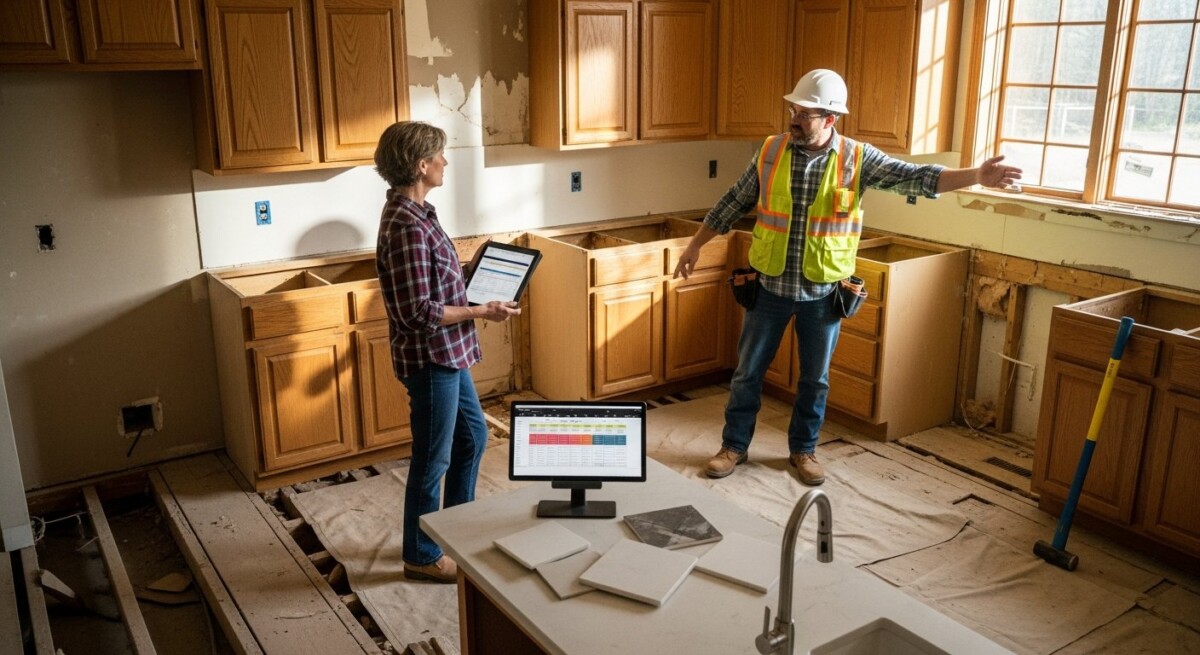
You walk into your kitchen or bathroom and realize the cabinets are decades old, the countertops are dated, and the layout feels cramped. Maybe you have been thinking about remodeling for months, but one question keeps holding you back: how much will this actually cost? That is a common problem for homeowners across the country. Without a clear interior remodeling pricing guide, it is easy to feel stuck between wanting a better home and worrying about the budget. If you ignore the planning stage, you risk overspending, choosing the wrong materials, or starting a project you cannot finish. Understanding what drives costs helps you make confident decisions and avoid costly surprises.
Understanding interior remodeling pricing guide
An interior remodeling pricing guide is simply a breakdown of the expenses involved in updating rooms inside your home. It covers everything from materials and labor to permits and unexpected repairs. Think of it as a roadmap that helps you allocate your budget wisely, whether you are renovating a single bathroom or an entire basement.
Pricing varies widely because every home is different. The age of your house, the quality of materials you choose, and the complexity of the design all affect the final number. For example, a basic kitchen remodel might cost significantly less than a master suite addition with custom cabinetry. Homeowners who research pricing guides early tend to avoid the stress of running out of money mid-project.
Which homes are most affected by cost surprises?
Older homes often come with hidden issues like outdated wiring, plumbing, or structural damage. When you start tearing down walls, these problems can surface quickly and add thousands to your budget. Newer homes may have fewer surprises, but homeowners still need a realistic pricing guide to avoid over-improving for the neighborhood.
Why this matters for your home
Remodeling without a clear understanding of pricing can lead to serious problems. You might select materials that look great but wear out in a few years, or you could hire a contractor who charges hidden fees. More importantly, delaying necessary updates,like fixing water damage in a bathroom,can cause mold, rot, and safety hazards. What starts as a small leak can become a full structural repair that costs three times as much.
Your home is likely your biggest investment. Protecting its value means making smart, informed choices about every renovation. A pricing guide helps you prioritize projects that add the most value, such as kitchen and bathroom remodels, while avoiding overcapitalization on trendy finishes that may not appeal to future buyers. Comfort and safety also improve when you allocate funds to proper insulation, ventilation, and electrical upgrades.
If you notice signs of this issue in your home, it may help to speak with a qualified contractor. Request a free quote or call (800) 555-0199 to explore your repair or remodeling options.
Common problems homeowners experience
One of the biggest frustrations homeowners face is underestimating the total cost of a remodel. You might budget for new flooring and paint, but forget about demolition, permit fees, or disposal of old materials. Another common issue is not accounting for labor, which often makes up 40 to 60 percent of the total expense. When contractors are busy, their rates increase, and you may end up paying more than expected if you don’t compare quotes.
Many homeowners also struggle with choosing between DIY and professional help. While painting a room yourself might save money, plumbing or electrical work usually requires a licensed pro. Attempting complex tasks without experience can lead to code violations, safety risks, and higher costs to fix mistakes later.
- Underestimating labor and material costs
- Hidden structural or plumbing issues discovered during demolition
- Permit delays and unexpected fee increases
- Poor quality materials that need replacement within a few years
- Contractors who quote low but add change orders mid-project
- Lack of a clear timeline, leading to extended living disruptions
How professionals solve the problem
Experienced contractors bring a systematic approach to interior remodeling. They start with a detailed walkthrough of your home, identifying potential issues before work begins. This upfront inspection helps prevent surprises and allows them to give you a more accurate estimate. Professionals also have established relationships with suppliers, which often means better pricing on materials than you could get on your own.
Here is a typical process used by remodeling pros:
- Initial consultation and design , Discuss your goals, budget, and timeline.
- Site assessment and measurements , Identify structural, electrical, and plumbing conditions.
- Detailed quote and contract , Break down costs for materials, labor, permits, and contingencies.
- Permitting and scheduling , Handle necessary approvals and coordinate subcontractors.
- Demolition and preparation , Remove old materials safely and prepare the space.
- Installation and finishing , Complete all work according to code and design specifications.
- Final walkthrough and punch list , Ensure everything meets your expectations before payment.
Professional work is often safer and more reliable than DIY fixes because contractors carry insurance and warranties. If something goes wrong, you have recourse. Plus, pros finish projects faster, which means less disruption to your daily life.
A professional inspection can reveal hidden issues before they become expensive repairs. Compare contractor quotes here or call (800) 555-0199 to discuss your project.
Warning signs you should not ignore
Before you start any remodel, look for signs that your home may need more than cosmetic updates. Cracks in walls or ceilings can indicate foundation movement. Peeling paint or musty odors often point to moisture problems behind walls. Outdated electrical panels or flickering lights suggest your wiring may not handle modern appliances. Ignoring these issues can turn a simple renovation into a major repair project.
Early action saves you money and stress. For example, if you notice a small water stain on your bathroom ceiling, fixing the leak now might cost a few hundred dollars. Waiting until the drywall crumbles and mold spreads could turn into a $5,000 repair. A pricing guide helps you set aside a contingency fund,usually 10 to 20 percent of your total budget,for these unexpected finds.
- Water stains on ceilings, walls, or floors
- Persistent musty odors or visible mold
- Cracks in tile, grout, or drywall
- Doors or windows that stick or don’t close properly
- Outdated electrical outlets or frequent breaker trips
- Flooring that feels soft or spongy in spots
What affects the cost of repairs or installation
Several factors influence the final price of an interior remodel. The size of the room matters most,a 200-square-foot kitchen costs more to renovate than a 50-square-foot powder room. Material choices also drive costs: solid hardwood flooring is more expensive than laminate, and quartz countertops cost more than butcher block. Labor rates vary by region, with metropolitan areas typically charging higher prices than rural ones.
Accessibility is another hidden cost driver. If your contractor has to navigate narrow hallways, stairs, or limited parking, it may take longer to move materials and equipment. Older homes built before 1970 often require additional work to meet modern building codes, especially for electrical, plumbing, and insulation. Finally, the complexity of the design,like moving walls, adding windows, or installing custom cabinetry,adds to both material and labor expenses.
Costs can vary depending on the condition of your home. The best way to know the price is to get a personalized estimate. Request free quotes from contractors or call (800) 555-0199 today.
How to choose the right contractor
Finding a reliable contractor is just as important as setting your budget. Start by asking friends, neighbors, or online community groups for recommendations. Look for contractors who specialize in the type of remodel you need,kitchen, bathroom, or basement. General handymen may not have the expertise for complex projects involving plumbing or electrical work.
When you narrow down candidates, take time to verify their credentials. A good contractor will gladly share their license number, proof of insurance, and a portfolio of past work. Read online reviews carefully, paying attention to how they handle complaints or change orders. Finally, get at least three written estimates so you can compare pricing, scope of work, and timelines side by side.
- Verify state licenses and liability insurance
- Read recent reviews on Google, Yelp, or the Better Business Bureau
- Ask for a detailed written estimate including materials, labor, and permits
- Compare quotes from at least three contractors before deciding
- Confirm they have experience with projects similar to yours
Long-term benefits of professional work
Investing in professional remodeling pays off in many ways over time. First, quality work improves your home’s safety,proper wiring reduces fire risk, and correct plumbing prevents water damage. Second, professional installations last longer because contractors use the right techniques and durable materials. That means you spend less on repairs and replacements down the road.
Energy efficiency is another major benefit. Upgrading insulation, windows, and appliances during a remodel can lower your monthly utility bills by 20 percent or more. A well-planned renovation also boosts your home’s resale value. According to industry averages, a mid-range kitchen remodel recovers about 60 to 80 percent of its cost at resale. Finally, living in a home that looks and functions the way you want reduces stress and improves your daily quality of life.
How much does a typical kitchen remodel cost?
A mid-range kitchen remodel in the United States usually falls between $25,000 and $50,000. This includes new cabinets, countertops, flooring, appliances, and labor. High-end remodels can exceed $100,000 depending on materials and custom features.
What is the most expensive part of a bathroom remodel?
Labor and plumbing typically cost the most, often accounting for 40 to 50 percent of the total budget. Tiling, fixtures, and vanity replacement also add significant expenses. If you move plumbing lines or add a shower, costs increase further.
Should I remodel my home before selling?
It depends on your local market and the condition of your home. Kitchens and bathrooms usually offer the best return on investment. Focus on neutral finishes, modern fixtures, and good lighting to appeal to buyers.
How do I know if a contractor’s quote is fair?
Compare at least three quotes from licensed contractors. Look for similar scope of work, material grades, and timelines. A quote that is significantly lower than others may indicate corners being cut or hidden fees later.
Can I remodel a room on a tight budget?
Yes. Focus on cosmetic updates like painting, new hardware, and lighting fixtures. You can also refinish existing cabinets instead of replacing them. Prioritize high-impact changes that don’t require structural work.
How long does a typical remodeling project take?
A small bathroom remodel usually takes 2 to 4 weeks. A full kitchen remodel can take 6 to 12 weeks. Basement finishing or whole-home renovations may take 3 to 6 months depending on complexity and permit approvals.
What permits do I need for interior remodeling?
Permit requirements vary by city and county. Most structural changes, electrical work, and plumbing modifications require permits. Your contractor should handle the permitting process as part of the project.
Is it cheaper to hire a general contractor or manage subs myself?
Hiring a general contractor typically costs 10 to 20 percent more upfront, but it saves you time and reduces risk. Managing subcontractors yourself can be cheaper if you have experience, but mistakes or delays can end up costing more.
Understanding your interior remodeling pricing guide is the first step toward a successful home renovation. By learning what affects costs, spotting warning signs early, and comparing professional quotes, you can avoid common pitfalls and protect your investment. Do not let uncertainty delay your project. Reach out to local contractors, get multiple estimates, and start planning your remodel with confidence.