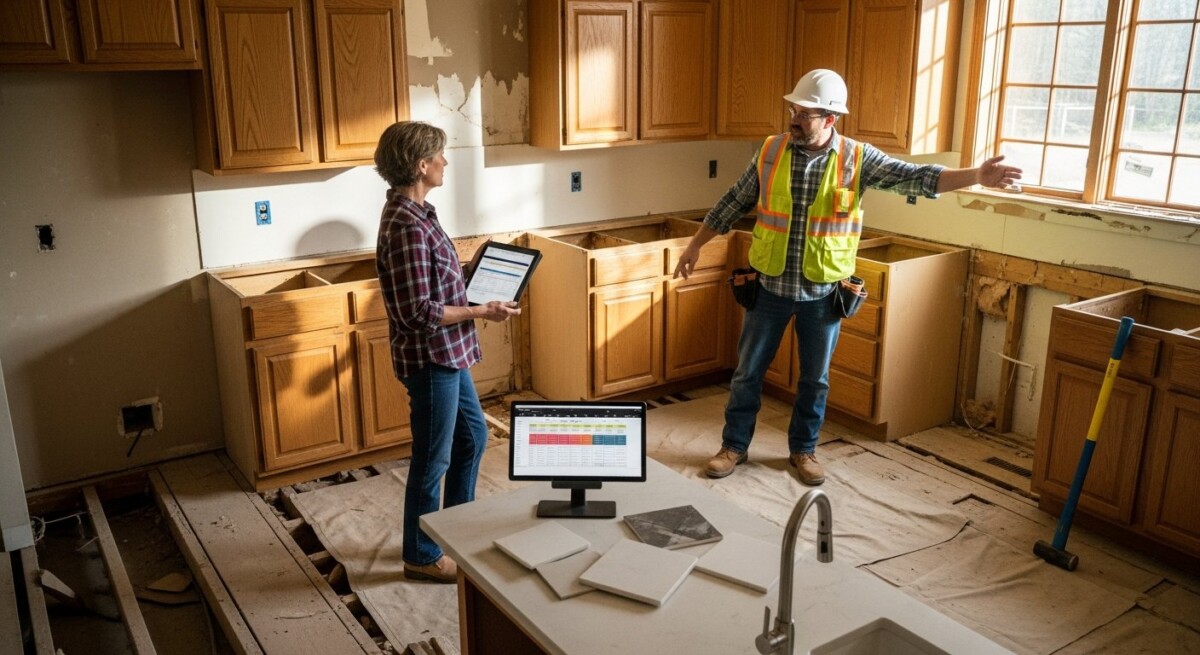
Home Improvement Cost Estimator: Plan Your Budget With Confidence
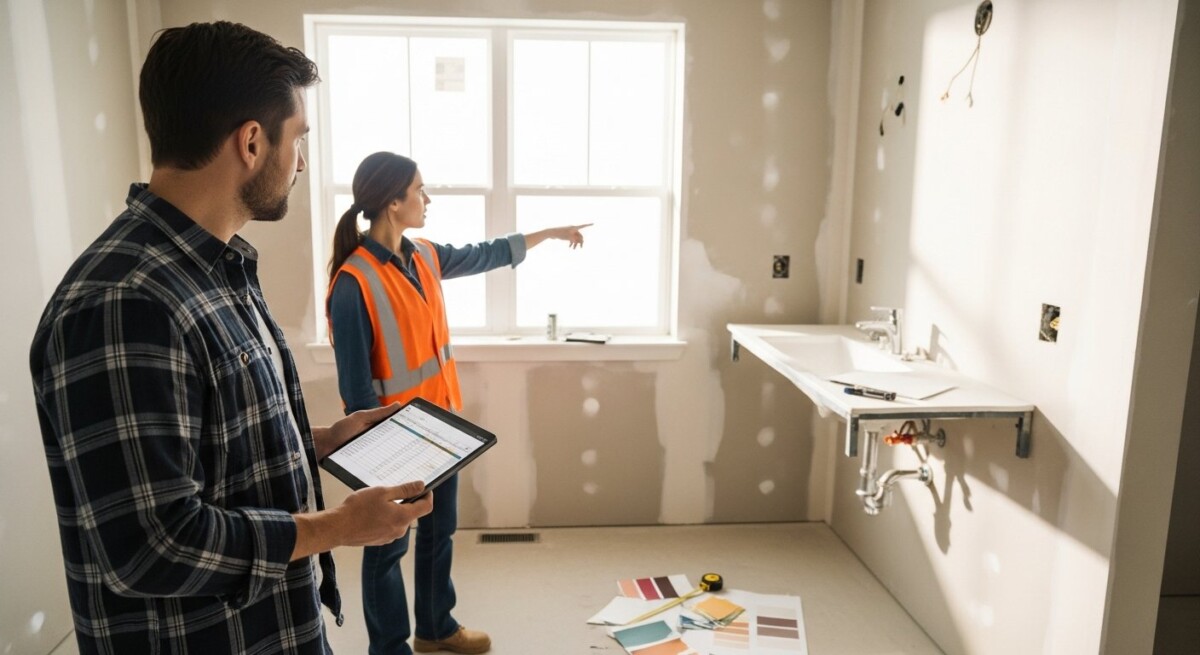
You finally decide to fix that drafty window or update the outdated bathroom. You grab a tape measure, jot down some notes, and start guessing at material prices. Within an hour, you realize your rough numbers don’t add up. The gap between what you think a project costs and what it actually costs can be frustrating and stressful. This is where a home improvement cost estimator becomes your most valuable planning tool,helping you turn guesswork into a realistic budget before you spend a dime.
Understanding Home Improvement Cost Estimator
A home improvement cost estimator is a practical tool,or a process,that helps you calculate the likely expenses for a remodeling or repair project. It considers materials, labor, permits, and unexpected issues that might arise once work begins. Instead of relying on a single online calculator, the most accurate estimates come from combining industry data with local contractor input.
Homes with older systems, custom finishes, or hard-to-access areas often need more detailed estimates. Even a simple project like repainting a room can vary by hundreds of dollars depending on ceiling height, wall texture, and paint quality. Using a reliable estimator helps you avoid the shock of a final bill that is double your original guess.
Why This Matters for Your Home
Ignoring the need for a solid cost estimate can lead to serious consequences. Without a clear budget, you might run out of money mid-project, forcing you to pause work or cut corners. This can leave your home vulnerable to weather damage, safety hazards, or code violations that increase your liability.
Cost estimates also protect your home’s value. A well-planned renovation adds equity; a poorly funded one can reduce resale appeal. When you understand true costs upfront, you can choose materials and scope that fit both your vision and your wallet. Our comprehensive home improvement cost estimator guide walks you through each expense category so you can plan with confidence.
If you notice signs of this issue in your home, it may help to speak with a qualified contractor. Request a free quote or call to explore your repair or remodeling options.
Common Problems Homeowners Experience
Many homeowners discover their initial cost estimates were too low only after demolition begins. Hidden water damage, outdated wiring, or structural rot can add thousands to the final bill. Others find that permit fees, dumpster rentals, or temporary housing costs were never included in their original plan.
These surprises often lead to project delays, strained finances, and unfinished spaces that become unusable. The most common issues include:
- Underestimating material costs for custom sizes or specialty finishes
- Forgetting to include labor for demolition, disposal, and cleanup
- Overlooking permit fees and inspection costs required by local codes
- Assuming DIY work saves money when specialized tools or skills are needed
- Ignoring the cost of temporary housing or storage during major renovations
- Failing to budget for potential issues like mold, asbestos, or outdated plumbing
How Professionals Solve the Problem
Experienced contractors use detailed estimating methods that account for every phase of the project. They inspect your home’s current condition, measure accurately, and factor in local labor rates and material availability. This process eliminates guesswork and gives you a reliable number before work begins.
A typical professional estimate follows these steps:
- On-site inspection to identify hidden issues and measure the space
- Material takeoff listing every item needed, from nails to fixtures
- Labor calculation based on crew size, skill level, and project duration
- Permit and fee review to include all required approvals
- Contingency addition (usually 10,20%) for unexpected problems
Hiring a professional also protects you from costly DIY mistakes. Incorrect installations can void warranties, cause water damage, or create safety hazards. Using an online construction cost estimator is a smart first step, but pairing it with professional quotes ensures accuracy.
A professional inspection can reveal hidden issues before they become expensive repairs. Compare contractor quotes here or call to discuss your project.
Warning Signs You Should Not Ignore
Certain signals from your home indicate that a professional cost estimate is overdue. If you notice recurring problems like peeling paint near a window, a soft spot in the floor, or a musty smell in the basement, these are clues that bigger issues lurk beneath the surface. Delaying only allows damage to spread, increasing repair costs significantly.
Early warning signs that suggest you need a professional estimate include:
- Cracks in walls or ceilings that grow wider over time
- Doors or windows that stick, indicating foundation movement
- Water stains on ceilings or walls, even if the area is currently dry
- Higher-than-normal utility bills pointing to insulation or HVAC issues
- Outdated electrical panels or frequent breaker trips
- Foul odors from drains or sewage backups
What Affects the Cost of Repairs or Installation
Several factors influence the final price of any home improvement project. The size of the area being worked on is the most obvious factor,larger spaces require more materials and labor. However, the condition of your home plays an equally important role. A bathroom remodel in a 1980s home with original plumbing will cost more than one in a newer home with modern infrastructure.
Material choices also drive costs. Solid hardwood flooring costs three to four times more than laminate, and custom cabinetry can double your kitchen budget. Accessibility matters too: a roof repair on a steep, multi-story house costs more than a low-pitch roof because of safety equipment and labor time. Finally, your location affects pricing due to local labor rates and permit fees.
Costs can vary depending on the condition of your home. The best way to know the price is to get a personalized estimate. Request free quotes from contractors or call today.
How to Choose the Right Contractor
Selecting a reliable contractor is just as important as getting an accurate estimate. The lowest bid is not always the best choice,it may indicate inexperience or use of substandard materials. Instead, focus on contractors who provide detailed, transparent estimates and communicate clearly about timelines and potential challenges.
Follow these tips when evaluating contractors:
- Verify licenses and insurance, including workers’ compensation and liability coverage
- Read online reviews on multiple platforms, not just the contractor’s website
- Ask for at least three detailed written estimates that break down materials and labor
- Request references from recent projects similar to yours
- Confirm the contractor has experience with your specific project type, such as historical homes or green building materials
Taking time to vet contractors helps you avoid disputes and ensures your project stays on schedule and on budget. If you’re in a specific market, such as Florida, finding reliable home improvement contractors in Miami requires checking local licensing and hurricane-proofing expertise.
Long-Term Benefits of Professional Work
Investing in professional repairs or remodeling pays off for years to come. Properly installed windows and insulation reduce energy bills every month. A structurally sound roof prevents costly water damage and mold remediation. Updated electrical systems eliminate fire risks and support modern appliances without tripping breakers.
Professional work also boosts your home’s resale value. Buyers pay a premium for homes with documented, code-compliant renovations. Even if you plan to stay in your home for decades, quality improvements reduce ongoing maintenance and repair headaches. You enjoy a safer, more comfortable home while building long-term equity.
What is a home improvement cost estimator?
A home improvement cost estimator is a tool or method used to calculate the expected expenses for a renovation or repair project. It typically includes materials, labor, permits, and a contingency for unexpected issues. The most accurate estimates combine online calculators with quotes from local contractors who inspect your home.
How accurate are online home improvement cost estimators?
Online estimators provide a useful starting point, but accuracy varies widely. Basic calculators use national averages and may not account for your home’s specific condition or local labor rates. For a reliable budget, use an online estimator to get a ballpark figure, then request detailed quotes from at least three local contractors.
Why do contractor quotes vary so much for the same project?
Contractors base quotes on different factors including material quality, crew experience, warranty terms, and overhead costs. One contractor may include premium materials and a five-year warranty, while another uses standard materials and a one-year warranty. Comparing detailed estimates helps you understand what each quote actually covers.
What should I include in my home renovation budget?
A complete renovation budget should include materials, labor, permits, disposal fees, temporary housing or storage costs, and a 10,20% contingency fund. Don’t forget small items like hardware, paint, and cleaning supplies. Including every expense from the start prevents mid-project surprises.
Can I trust a contractor who gives an instant quote without visiting my home?
Be cautious with instant quotes. While some contractors can estimate simple projects like painting a standard room over the phone, most complex jobs require an on-site inspection. A contractor who refuses to visit your home may miss hidden issues that lead to cost overruns later.
How do I know if a contractor’s estimate is fair?
Compare quotes from multiple contractors for the same scope of work. A fair estimate is detailed, listing materials by brand and quantity, labor hours, and permit fees. Unusually low or high bids should be questioned. Ask each contractor to explain their pricing so you can make an informed decision.
What happens if I start a project and discover unexpected damage?
This is why a contingency fund is essential. Most contractors will pause work, show you the damage, and provide a revised estimate for the additional repairs. If you have a contingency budget, you can approve the extra work without financial strain. A professional contractor will always communicate changes before proceeding.
Is it worth paying more for a contractor with better reviews?
Yes, in most cases. Higher-rated contractors often provide better workmanship, clearer communication, and stronger warranties. Paying a bit more upfront can save you from costly callbacks, delays, and legal disputes. Check reviews on independent sites and ask for references to verify quality.
Planning your home improvement project starts with a clear understanding of costs. Using a home improvement cost estimator combined with professional quotes gives you the confidence to move forward without financial surprises. Address issues early, compare multiple contractor estimates, and invest in quality work that protects your home and budget for years to come.