
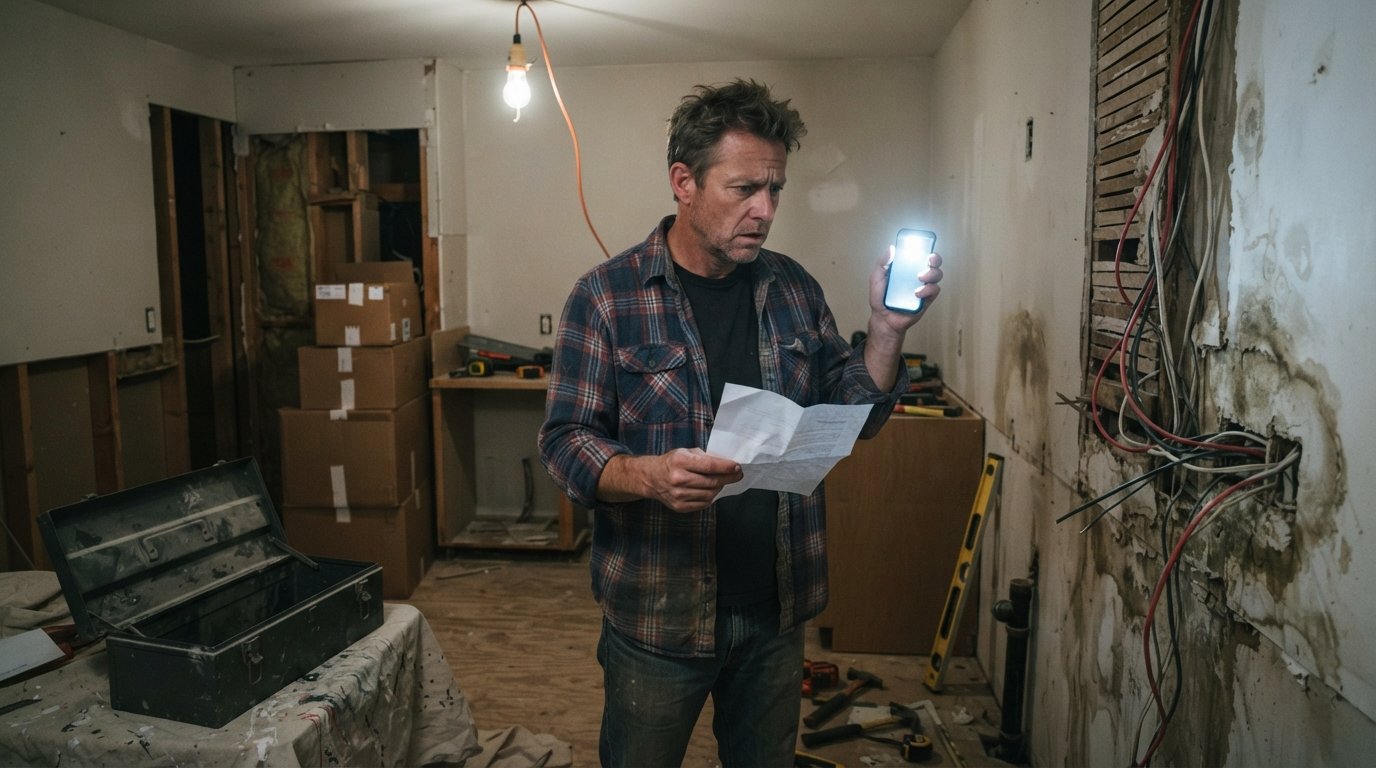
Contractor Red Flags: Avoid Costly Renovation Mistakes
Spot the red flags when hiring a contractor for home renovation to avoid scams, delays, and costly mistakes. Protect your project and budget.
By Adnan Nazir
Learn more about General Contracting for guides, costs, and what to expect.
Compare General Contracting Pros Near You

Enter your ZIP code to compare top-rated local professionals and request free quotes.
You have saved for years, sketched out your dream kitchen, and finally booked time off work. Then the contractor you trusted vanishes with your deposit, or the crew leaves behind a half-finished bathroom and a growing pile of change orders. Unfortunately, this scenario plays out far too often. The good news is that most disasters can be prevented before you sign anything. By learning to spot the red flags when hiring a contractor for home renovation, you can protect your budget, your timeline, and your peace of mind.
This guide walks you through the warning signs that should make you walk away, no matter how charming the sales pitch or how low the bid. You will also learn practical steps to verify credentials, compare quotes, and secure a contract that holds everyone accountable. Whether you are planning a minor update or a full remodel, knowing what to look for is the first step toward a successful project.
Why Vetting Matters More Than the Lowest Bid
Many homeowners choose a contractor based on price alone, assuming that all bids are roughly equal. In reality, a significantly lower estimate often means lower quality materials, less experienced labor, or missing line items that will surface later as expensive surprises. On the other hand, the highest bid is not always the best either. The goal is to find a contractor who offers fair, transparent pricing and a track record of delivering on promises.
Vetting is about more than checking a license. It involves verifying insurance, reading reviews, speaking with references, and reviewing the contract in detail. The few hours you spend on due diligence can save you from months of stress and thousands of dollars in unexpected costs. To help you structure this process, our home renovation budget planner offers a practical framework for estimating expenses and tracking spending, which is essential before you even start talking to contractors.
Below are the most common red flags when hiring a contractor for home renovation. Keep this list handy during your interviews and site visits.
Top Red Flags When Hiring a Contractor for Home Renovation
These warning signs are not always obvious, especially if you are new to remodeling. Trust your instincts: if something feels off, it probably is. Here are the key signals to watch for:
- Demanding full payment upfront. A reputable contractor will ask for a deposit, typically 10 to 30 percent of the total, not the full amount before any work begins.
- No written contract or a vague one. If the contractor avoids putting details in writing, you have no legal protection if something goes wrong.
- Unwilling to provide proof of insurance or license. This is non-negotiable. Without proper coverage, you could be liable for injuries or damages on your property.
- Refusing to pull permits. Permits protect you and ensure the work meets local building codes. A contractor who skips this step is cutting corners.
- Pressure tactics or a "today only" discount. Legitimate professionals do not need to rush you into a decision.
If you see any of these, do not proceed. Walk away and keep looking. There are plenty of qualified contractors who will respect your time and your home. Remember, the cheapest bid can become the most expensive one in the long run if it leads to shoddy workmanship, safety hazards, or legal trouble.
Unlicensed and Uninsured Contractors
One of the most critical red flags when hiring a contractor for home renovation is the absence of a valid license and insurance. Licensing requirements vary by state and municipality, but a legitimate contractor will always be able to provide proof of their credentials. Ask to see their license number and verify it with your local licensing board. This step takes only a few minutes and can prevent a world of pain.
Insurance is equally important. The contractor should carry both general liability insurance and workers' compensation. General liability covers damage to your property, while workers' comp protects you if a worker is injured on your job site. If the contractor is not insured, you could be held financially responsible for medical bills or legal fees. Ask for a certificate of insurance and call the insurance provider to confirm that the policy is active and sufficient for your project.
Some homeowners are tempted to hire an unlicensed handyman for a small project to save money. While this might work for minor repairs, it is a huge risk for any renovation that involves structural changes, electrical work, plumbing, or major installations. Unlicensed contractors often lack the training and accountability that come with a license, and they may not follow building codes, which can lead to dangerous conditions and costly future repairs.
Unusually Low Bids or Vague Estimates
A bid that is significantly lower than all the others is a classic warning sign. It could indicate that the contractor is cutting corners on materials, using inexperienced labor, or planning to hit you with change orders later. A low bid might also mean the contractor did not fully understand the scope of work and will ask for more money once the project is underway.
On the flip side, a vague estimate with no line items is just as problematic. You need a detailed breakdown of costs, including materials, labor, permits, and any other expenses. This level of detail lets you compare bids fairly and understand what you are paying for. If a contractor refuses to provide a written, itemized estimate, treat that as a major red flag.
To protect yourself, always get at least three written bids for any renovation project. Compare them line by line, not just on the total price. Look for inconsistencies in materials or scope, and ask the contractor to explain any major differences. A transparent contractor will welcome your questions and provide clear answers.
No References or Poor Online Reviews
Word of mouth is still one of the most reliable ways to find a trustworthy contractor. Ask friends, family, and neighbors for recommendations, and then do your own research. Check online review platforms like Google, Yelp, and the Better Business Bureau. Pay attention to how the contractor responds to negative reviews, as this can tell you a lot about their professionalism and willingness to resolve issues.
When you speak with a contractor, ask for references from recent projects that are similar in size and scope to yours. Then actually call those references. Ask about the contractor's communication, adherence to budget and schedule, quality of work, and cleanliness. If the contractor hesitates to provide references or if the references are vague or negative, that is a clear signal to move on.
It is also wise to visit an active job site if possible. Seeing how the crew works, whether they are organized, respectful, and safety-conscious, can give you confidence in your choice. A contractor who is proud of their work will often welcome a site visit. If they refuse, consider that a red flag.
Poor Communication and Disappearing Acts
Communication is the backbone of any successful renovation. From the initial consultation to the final walkthrough, your contractor should be responsive, clear, and proactive. If you have trouble getting a call or email returned, or if the contractor is vague about timelines or details, that pattern will only get worse once the project starts.
Watch for signs of disorganization, such as missed appointments, lost paperwork, or a lack of a clear project schedule. A contractor who cannot manage their own calendar is unlikely to manage your project effectively. Also, be wary of contractors who are overly eager to start work but then go silent for long stretches. This often happens when they have taken on too many projects and are juggling multiple jobs, which can lead to delays and rushed work.
Establish a communication plan before work begins. Agree on how often you will receive updates, who your main point of contact is, and how to handle any issues that arise. Having this in writing in your contract will help prevent misunderstandings and keep the project on track.
The Importance of a Detailed Written Contract
A contract is not just a formality; it is your primary legal protection. It should clearly outline the scope of work, materials to be used, project timeline, payment schedule, cleanup responsibilities, and how change orders will be handled. Every detail matters, from the brand of paint to the type of nails. The more specific the contract, the fewer opportunities for disputes.
Before signing, review the contract carefully and ask questions about anything you do not understand. Do not rely on verbal promises. If the contractor says something is included, make sure it is written down. A legitimate contractor will have no problem adding details to the contract to give you peace of mind.
Change orders are another area where contracts can save you. A change order is a written document that modifies the original contract, usually to add or subtract work. It should include the cost and the impact on the timeline. Insist that any changes, even small ones, go through a formal change order process. This prevents disputes over unexpected costs or unfinished work at the end of the project.
How to Verify a Contractor's Credentials
Verifying a contractor's credentials is easier than you might think. Start with your state or local licensing board. Most have online databases where you can check a license number, see if any complaints have been filed, and confirm that the license is current. This is a quick step that can reveal a lot.
Next, ask for proof of insurance and call the insurance company to verify coverage. Do not just accept a paper certificate; confirm with the provider that the policy is active and covers the dates of your project. Also, check if the contractor is bonded. A bond is a form of insurance that protects you if the contractor fails to complete the job or does not pay their subcontractors or suppliers.
It is also smart to check the contractor's history with the Better Business Bureau and your state's consumer protection agency. Look for patterns of complaints, unresolved issues, or legal judgments. A single negative review is not always a dealbreaker, but a pattern of problems is a clear warning. For more guidance on comparing bids and choosing the right professional, you can explore resources like USremodel, which connects homeowners with vetted contractors for various home improvement projects.
What to Do If You Spot These Red Flags
If you notice any of the warning signs discussed in this article, do not ignore them. The cheapest option is rarely the best option when it comes to your home. Instead, take a step back and continue your search. There are many qualified, honest contractors out there who will treat you fairly and do excellent work.
When you do find a contractor who passes all your checks, make sure you have everything in writing before work begins. This includes the contract, permits, insurance certificates, and any warranties on materials and workmanship. Keep copies of all documents and communicate regularly with your contractor throughout the project.
Finally, remember that a good contractor wants a successful project as much as you do. They will be happy to answer your questions, provide references, and work with you to make sure the process is smooth and transparent. By taking the time to vet properly, you will not only avoid the red flags when hiring a contractor for home renovation, but you will also enjoy the transformation of your home with confidence and pride.
Learn more about General Contracting for guides, costs, and what to expect.
Compare General Contracting Pros Near You
Enter your ZIP code to compare top-rated local professionals and request free quotes.