
How to Choose Durable Flooring for High Traffic Areas
Discover the best materials and practical tips for choosing durable flooring for high traffic areas, so your floors stay beautiful for years.
By Adnan Nazir
Learn more about Floor Installation or Replacement for guides, costs, and what to expect.
Compare Floor Installation or Replacement Pros Near You

Enter your ZIP code to compare top-rated local professionals and request free quotes.
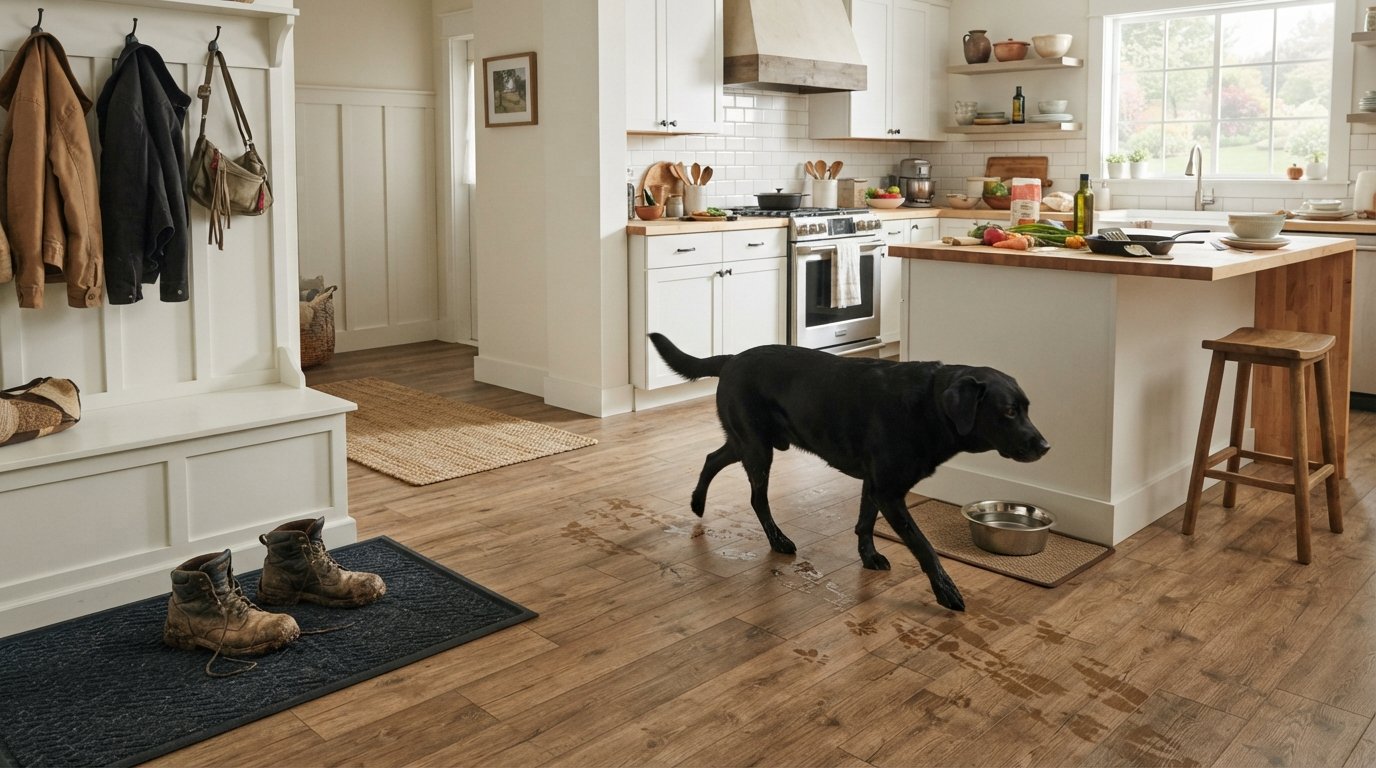
Your front entryway bears the brunt of daily life: muddy boots, grocery carts, dog paws, and the steady shuffle of family footsteps. The kitchen floor endures dropped pans, spills, and the constant motion of meal prep. If these surfaces show scuffs, scratches, and worn patches within a year or two, you already know the cost of a poor flooring choice. Selecting the right material the first time saves you from premature replacement, costly repairs, and the headache of living through another installation. That is why choosing durable flooring for high traffic areas requires more than picking the prettiest sample at the showroom. It demands a clear understanding of how different materials respond to real-world abuse, how they age under heavy use, and what maintenance they truly need to keep looking presentable.
This guide walks you through the key factors that separate resilient floors from those that fail under pressure. You will learn which materials rank highest for scratch resistance, moisture tolerance, and structural stability, and you will get a practical framework for matching a floor to the specific demands of your household. Whether you are renovating a bustling family home or preparing a rental property for demanding tenants, the information here will help you invest wisely and avoid the disappointment of a floor that cannot keep up.
What Makes a Flooring Material Truly Durable?
Durability in flooring is not a single attribute. It is a combination of surface hardness, structural stability, moisture resistance, and the ability to recover from indentation or impact. For high traffic areas, you need a material that scores well across all these dimensions, not just one. A floor with a tough surface layer but a weak core can buckle or warp when exposed to humidity. Conversely, a dimensionally stable product with a soft top layer will show every scrape and scuff within months.
To evaluate any flooring option, consider the Janka hardness scale, which measures resistance to denting and wear. This rating is most relevant for wood and bamboo, but it gives you a useful baseline for comparing natural materials. For synthetic options like luxury vinyl or laminate, look instead at the wear layer thickness, measured in mils. A thicker wear layer, typically 20 mil or higher, provides better protection against scratches and stains in commercial-grade settings. For tile and stone, the PEI (Porcelain Enamel Institute) rating tells you how well the glazed surface withstands foot traffic; a rating of 3 or higher is suitable for residential entryways and kitchens.
Beyond surface hardness, consider the underlayment and installation method. Floating floors, which snap together without adhesive, allow for natural expansion and contraction, reducing the risk of buckling. Glue-down or nail-down installations offer more stability but require a perfectly prepared subfloor. A quality underlayment adds cushioning, reduces noise, and provides a moisture barrier, all of which extend the life of your floor. In high traffic zones, the combination of a robust wear surface and a forgiving subfloor system is what prevents early failure.
Top Flooring Materials for Heavy Use
Not every flooring type belongs in a high traffic area. Some materials, like solid hardwood, can be refinished multiple times, which makes them a long-term investment despite their susceptibility to scratches. Others, like carpet, simply cannot withstand the constant abrasion and soiling that busy households produce. The following list ranks the most reliable options, balancing cost, maintenance, and lifespan so you can compare them against your specific needs.
- Luxury Vinyl Plank (LVP) and Tile (LVT): Waterproof, scratch-resistant, and comfortable underfoot. A 20 to 28 mil wear layer handles daily abuse, and the rigid core construction prevents dents from heavy furniture.
- Porcelain Tile: The hardest common flooring material, with a PEI rating of 5 for commercial use. It resists moisture, stains, and scratches, and it never needs sealing if you choose a glazed option.
- Engineered Hardwood: A real wood veneer over a plywood core offers dimensional stability that solid wood lacks. It can be refinished once or twice, giving it a longer life in busy areas.
- Laminate: A photographic layer under a melamine wear layer mimics wood or stone. Modern laminate resists scratches well, but it cannot tolerate standing water, so it suits dry high traffic zones like hallways.
- Natural Stone: Granite, slate, and quartzite offer unmatched durability and timeless beauty. They require periodic sealing and can be slippery when polished, so choose a textured finish for safety.
Each of these materials has trade-offs in cost, comfort, and upkeep. Luxury vinyl offers the best balance of affordability, waterproof performance, and realistic aesthetics, which explains its surge in popularity for family homes. Porcelain tile remains the champion of sheer toughness, but its hard, cold surface can be fatiguing to stand on for long periods. Engineered hardwood brings warmth and value to a home, yet it demands vigilance against spills and pet accidents.
When you compare these options, think beyond the initial purchase price. A cheap laminate that needs replacement in five years costs more per year than a premium LVP that lasts twenty. Similarly, a solid hardwood floor that can be sanded and refinished every decade may serve you for generations, making its higher upfront cost a smart investment for a forever home. For a deeper cost breakdown of these materials, see our guide on flooring materials durability vs cost comparison.
Assessing Your Home's Specific Traffic Patterns
Before you settle on a material, take time to analyze how each room in your home is actually used. A high traffic area in a household with young children and pets is very different from a busy entryway in an empty-nester's home. The type of traffic matters as much as the volume. High heels can dent soft wood, while dog claws can scratch even some ceramics. Rolling chairs, strollers, and wheeled luggage create concentrated pressure points that can crush weaker cores.
Start by mapping the zones that get the most footfall: entryways, kitchens, hallways, and family rooms. Note the sources of potential damage in each zone. A mudroom near a backyard entrance will track in grit and moisture, so it needs a waterproof, easy-to-clean surface like tile or vinyl. A home office with a rolling desk chair requires a floor that resists indentation, making rigid core vinyl or porcelain tile better choices than standard laminate. A living room that hosts frequent gatherings might benefit from the acoustic warmth of engineered hardwood, provided you place rugs in the highest traffic paths.
Consider also the climate in your region. In humid climates like Houston or Miami, wood floors can expand and warp unless properly acclimated and sealed. In dry, high-altitude areas like Denver, wood may shrink and develop gaps during winter months. Porcelain tile and luxury vinyl remain stable across a wide range of humidity and temperature, which makes them safer choices for homes in extreme climates. If you are unsure how your local conditions affect a particular material, consult a flooring professional who understands regional building practices.
Maintenance and Repair Considerations
The most durable flooring in the world will still look tired if you neglect basic upkeep. Different materials demand different levels of care, and the time you are willing to invest should factor into your decision. For busy families, low-maintenance options like luxury vinyl and porcelain tile are attractive because they need only sweeping and occasional damp mopping. They resist stains and do not require periodic resealing or refinishing.
Hardwood and natural stone, by contrast, are more demanding. Wood floors need immediate cleanup of spills to prevent water damage, and they require refinishing every 5 to 10 years depending on traffic. Stone surfaces need annual sealing to maintain their stain resistance, and acidic cleaners can etch the surface if you choose the wrong product. Laminate sits between these extremes: it cleans easily with a dry mop, but standing water can cause the core to swell, so you must be vigilant about spills in kitchens and bathrooms.
Think about repair strategies as well. A scratched luxury vinyl plank can often be replaced individually if you keep extra planks from the original installation. A damaged section of glued-down hardwood is far harder to swap out, and you may need to refinish the entire floor to blend in the repair. Porcelain tile can crack if a heavy object is dropped, and replacing a single tile requires careful removal to avoid damaging adjacent ones. Consider how easily you can source matching material in the future; some products are discontinued within a few years, making color-matched repairs impossible.
Practical Tips for Extending Floor Life
Even the toughest floors benefit from a few protective habits. Simple preventive measures can double the lifespan of your flooring and keep it looking new for years. The most effective step is to place high-quality mats at every exterior door. These mats trap grit and moisture before they reach the floor, reducing abrasive wear. Choose mats with a non-slip backing and a low profile so doors can swing freely over them.
Use felt pads under furniture legs to prevent indentations and scratches, and lift heavy furniture rather than dragging it across the floor. Place protective mats under rolling desk chairs; a clear polycarbonate chair mat distributes weight and prevents the wheels from gouging the surface. For pet owners, keep claws trimmed and clean up accidents immediately. For households with children, establish a no-shoes policy in carpeted or hardwood areas to minimize tracked-in dirt.
Finally, follow a regular cleaning schedule tailored to your floor type. Vacuum or sweep daily in high traffic zones to remove abrasive particles. Use a damp mop with a manufacturer-approved cleaner weekly, and avoid excessive water, which can seep into seams and cause damage. Periodically check the condition of grout lines in tile floors and reseal them if they become porous. These small efforts, when done consistently, preserve the structural integrity and appearance of your investment.
Balancing Budget, Aesthetics, and Value
Flooring is a significant financial commitment, and it is tempting to cut corners to save money. However, the cheapest option rarely proves economical in high traffic areas. A low-cost laminate or thin vinyl may fail within a few years, forcing you to buy and install a replacement sooner than expected. Conversely, paying a premium for a top-tier material in a low-traffic guest bedroom might be unnecessary. Allocate your budget based on the actual wear each room receives.
To maximize value, consider mixing materials within your home. Use waterproof luxury vinyl in the kitchen and entryway, then transition to engineered hardwood in the living room and bedrooms. This strategy gives you durability where you need it most while allowing warmth and character in less demanding spaces. You can also choose a mid-range product with a higher wear layer rating rather than the most expensive design; a thicker wear layer often matters more than the visual pattern.
Professional installation is another area where skimping leads to regret. A poorly installed floor, regardless of its quality, will develop gaps, squeaks, or raised edges. Hire a certified installer who follows manufacturer guidelines for subfloor preparation, acclimation, and expansion gaps. While DIY installation might save money on labor, mistakes can void your warranty and shorten the floor's lifespan. If you are looking for a trusted installer, you can find pre-vetted flooring contractors through Homes.Contractors, a directory that connects homeowners with qualified local professionals.
When you evaluate quotes, compare the total cost per square foot, including underlayment, trim, and removal of old flooring. A quote that appears lower may exclude necessary materials or labor, leading to surprise expenses later. Request a detailed written estimate from at least three contractors, and ask for references from recent high traffic installations. A reputable professional will gladly share examples of their work and explain how they handle common challenges such as uneven subfloors or moisture-prone concrete slabs.
Making the Final Decision
Choosing durable flooring for high traffic areas is ultimately about matching your lifestyle, budget, and design preferences. Start by ranking your priorities: Is waterproofing non-negotiable due to pets or kids? Do you prefer the natural look of wood over the realism of vinyl? How much time are you willing to spend on maintenance? Write down your answers, and use them to narrow your options. Visit showrooms to see and touch samples in real light, and request large swatches to take home so you can observe how they look under your own lighting and against your cabinetry.
Do not rush the decision. A floor is a 15 to 25 year commitment in most homes, and replacing it early is costly and disruptive. Consider the resale value as well; materials like hardwood and porcelain tile are highly desirable to future buyers, while some trendy products may date quickly. If you plan to sell within a few years, choose a classic style that appeals to a broad audience.
When you are ready to proceed, use a free quote service to receive competitive bids from local contractors. This approach not only saves you time but also gives you leverage in negotiations. Describe your project accurately, including the square footage, material type, and any subfloor issues you suspect. With the right information, contractors can provide precise estimates, and you can compare apples to apples. Remember, the goal is not just a beautiful floor, but one that withstands the daily demands of your home and continues to look great for decades.