
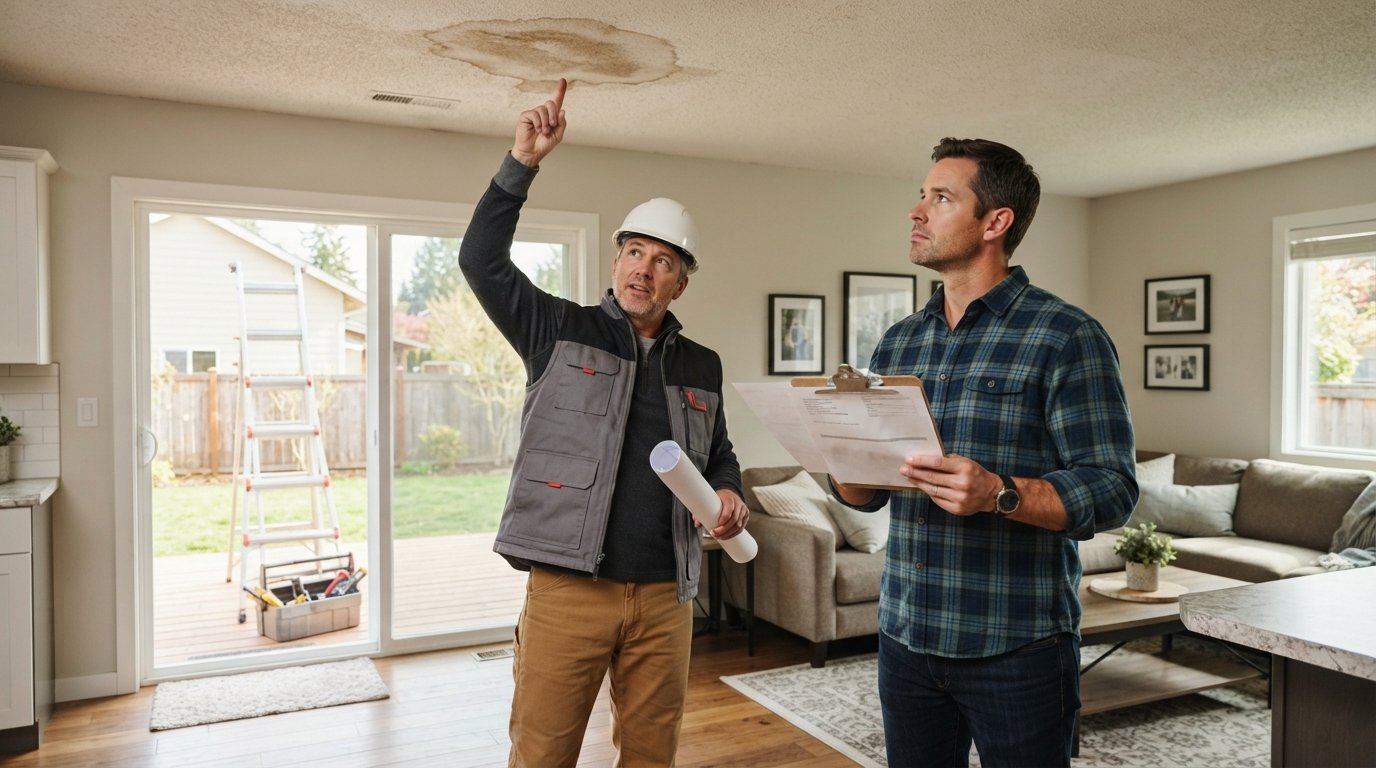
How to Get Free Home Repair Quotes Without Getting Burned
Learn how to get accurate free home repair quotes, compare bids like a pro, and avoid costly mistakes with this step-by-step homeowner guide.
By Adnan Nazir
Learn more about General Contracting for guides, costs, and what to expect.
Compare General Contracting Pros Near You

Enter your ZIP code to compare top-rated local professionals and request free quotes.
Your roof starts leaking on a rainy Tuesday. The water heater groans and dies. The foundation crack you ignored for months suddenly looks like a canyon. In these moments, panic sets in, and the instinct is to grab the phone and hire the first contractor who answers. But that impulse can cost you thousands. The smarter move is to collect free home repair quotes from multiple professionals, compare them carefully, and choose with confidence. This guide walks you through the entire process, from knowing what to prepare to spotting red flags, so you can get accurate bids and avoid costly surprises.
Why Free Home Repair Quotes Are Your Best First Step
Many homeowners assume that all contractors charge for estimates. In reality, most reputable pros offer free home repair quotes because they know the competition is fierce. They are willing to invest a little time to win your business. For you, this is a huge advantage. You can shop around without spending a dime, and you gain valuable insight into the market rate for your specific project.
Beyond the obvious cost savings, free quotes serve as a screening tool. A contractor who provides a detailed, transparent estimate is likely to be more organized and trustworthy than one who gives a vague verbal number. The quote itself tells you a lot about how the contractor communicates, what materials they recommend, and how they structure their pricing. By gathering multiple quotes, you can compare apples to apples and make an informed decision based on facts, not fear.
What Should a Professional Quote Include?
Not all quotes are created equal. A truly professional estimate is more than just a final number. It should be a detailed breakdown that protects both you and the contractor. When you request free home repair quotes, look for these essential components:
- Scope of work: A clear description of what will be done, including specific tasks and materials.
- Material costs: Itemized list of materials with brands, models, and quantities.
- Labor costs: Breakdown of labor by task or by hour.
- Permit fees: Whether the contractor will pull permits and who pays for them.
- Timeline: Estimated start date, duration, and completion date.
- Payment schedule: When payments are due, including any deposit requirements.
- Warranty information: What is covered and for how long.
If a quote lacks these details, ask for clarification. A reputable contractor will be happy to explain. If they resist or give you a one-line price, that is a red flag. You want a contractor who is transparent and thorough, because that is how they will handle the actual work.
How to Prepare for the Quote Process
The quality of the quotes you receive depends heavily on the information you provide. Contractors cannot read your mind. If you give them vague descriptions, you will get vague estimates. To get accurate free home repair quotes, you need to be specific about what you want.
Start by documenting the problem. Take photos, measure the area, and note any unusual conditions. For example, if you need a new roof, know the approximate square footage and the type of shingles you prefer. If you are remodeling a bathroom, decide whether you want a basic refresh or a full gut renovation. The more details you provide, the more precise the quote will be.
Also, have a realistic budget in mind. This does not mean you need to share it with every contractor, but it helps you evaluate quotes later. When you request quotes through a platform like FreeQuotes.Contractors, the contractors will contact you directly. Before they visit, write down your top three priorities. Is it speed, cost, or quality? Knowing your priorities will help you compare bids that may differ in scope and pricing.
Where to Find Free Home Repair Quotes
There are several ways to gather quotes, and each has its pros and cons. The most traditional method is to ask friends, family, and neighbors for referrals. This can work well, but it limits your options to people in your immediate circle. You might miss out on highly qualified contractors who are not personally known to your network.
Another option is to search online directories and review sites. These can give you a broad list of contractors, but you have to do the vetting yourself. You need to check licenses, insurance, and reviews, which takes time and effort. The risk of running into an unlicensed or underqualified contractor is higher if you do not do your homework.
The easiest and most efficient method is to use a lead generation platform like FreeQuotes.Contractors. This service connects you with pre-vetted local contractors who are ready to provide free home repair quotes. The platform has already done the background checks, so you can trust that the professionals reaching out to you are legitimate. You simply submit your project details, and the system matches you with up to three or more contractors in your area. This saves you hours of research and gives you peace of mind.
Comparing Quotes Side by Side
Once you have collected several free home repair quotes, the real work begins. You cannot simply pick the lowest number and hope for the best. A lowball bid might indicate subpar materials, rushed work, or hidden costs that appear later. Conversely, the highest bid is not always the best either. You need to compare the quotes line by line to understand what you are getting for your money.
Create a simple spreadsheet or table with columns for each contractor. List the scope of work, materials, labor, timeline, and payment terms. Then, compare them systematically. Look for discrepancies. Why is one contractor quoting $3,000 for a bathroom fan installation while another quotes $5,000? Maybe the cheaper one uses a lower-grade fan, or maybe the expensive one includes extra work like ducting and electrical upgrades. Ask questions until you understand the differences.
Also, pay attention to the contractor's communication style. Did they return your calls promptly? Did they answer your questions patiently? Did they show up on time for the site visit? These behaviors are strong indicators of how they will handle the actual project. A contractor who is responsive during the quote phase is likely to be responsive during the job.
Red Flags to Watch For
While most contractors are honest professionals, there are always a few bad apples. When you are reviewing free home repair quotes, be on the lookout for these warning signs:
- Extremely low bids that seem too good to be true.
- High-pressure sales tactics, such as demanding a decision immediately.
- Requests for a large upfront payment before any work begins.
- No physical address or only a PO box.
- Reluctance to provide proof of insurance or licensing.
- Vague contracts with no scope of work or timeline.
- Contractors who ask you to pull the permits yourself.
If you encounter any of these red flags, walk away. It is better to pay a little more for a reputable contractor than to risk your home and your finances. Remember, the lowest bid is often the most expensive in the long run if the contractor cuts corners or disappears mid-project.
The Role of Permits and Insurance
Permits and insurance are non-negotiable for most home repairs. A permit ensures that the work meets local building codes and safety standards. Without a permit, you could face fines, and you might have trouble selling your home later. Moreover, if the work is done incorrectly, your insurance company may deny a claim. When you ask for free home repair quotes, always ask whether the contractor will handle the permitting process. A professional will include permit fees in the quote and take responsibility for obtaining them.
Insurance is equally important. You need to confirm that the contractor has both general liability insurance and workers' compensation. General liability protects you if the contractor damages your property. Workers' compensation protects you if a worker is injured on your job site. If a contractor is not insured, you could be held liable for medical bills or legal fees. Ask for proof of insurance and verify that it is current. A reputable contractor will gladly provide it.
How to Negotiate with Confidence
Armed with multiple quotes, you are in a strong position to negotiate. Start by contacting the contractor you prefer and explain that you have received other bids. Ask if they can match or beat a competitor's price. Many contractors are willing to adjust their pricing to win the job, especially if they know they are competing. However, do not negotiate solely on price. Consider the overall value, including materials, timeline, and warranty.
If a contractor refuses to budge on price, that is not necessarily a dealbreaker. Sometimes the higher quote reflects better materials or a more experienced crew. You can still negotiate other terms, such as a longer warranty or a more flexible payment schedule. The key is to approach the conversation with respect and data. You are not asking for a handout; you are asking for a fair deal based on market rates.
Also, be wary of contractors who agree to every request without question. If they slash their price dramatically, they may be cutting corners to compensate. A reasonable contractor will explain their pricing and justify any adjustments. You want a partner who is honest and transparent, not one who will do anything to get the job.
What Happens After You Choose a Quote
Once you have selected a contractor and agreed on a final price, the next step is to sign a detailed contract. This contract should include everything from the quote, plus the payment schedule, start and completion dates, and a clause about change orders. A change order is a written amendment that is required if the scope of work changes during the project. This protects both you and the contractor from misunderstandings.
Before work begins, ensure that the contractor has all the necessary permits and that you have copies of their insurance certificates. Take photos of the work area before they start, so you have a record of the existing condition. Then, keep communication open throughout the project. Regular check-ins will help you catch any issues early and keep the timeline on track.
After the work is done, do a final walkthrough. Inspect the quality of the work and make a punch list of any items that need to be fixed. Do not make the final payment until you are satisfied. A reputable contractor will address any concerns you have and make things right.
Save Time and Money with FreeQuotes.Contractors
Navigating the world of home repairs is stressful, but it does not have to be overwhelming. The key is to gather free home repair quotes from multiple, qualified contractors and compare them thoughtfully. Platforms like FreeQuotes.Contractors make this process effortless by connecting you with pre-vetted professionals in your area. You skip the guesswork, avoid the risk of hiring an unlicensed handyman, and get competitive bids without any obligation.
Whether you need a new roof, a bathroom remodel, or an urgent plumbing fix, start with a free quote request. It costs you nothing, and it puts you in control. You will gain the knowledge and leverage you need to make a smart decision for your home and your budget.
The next time a repair emergency strikes, take a deep breath. Remember that you have options. You do not have to accept the first number you hear. With a little preparation and the right resources, you can secure a fair price and quality workmanship. Your home is your biggest investment, and it deserves the best care you can give it. Start today by requesting your free home repair quotes, and take the first step toward a stress-free repair experience.
Learn more about General Contracting for guides, costs, and what to expect.
Compare General Contracting Pros Near You
Enter your ZIP code to compare top-rated local professionals and request free quotes.