
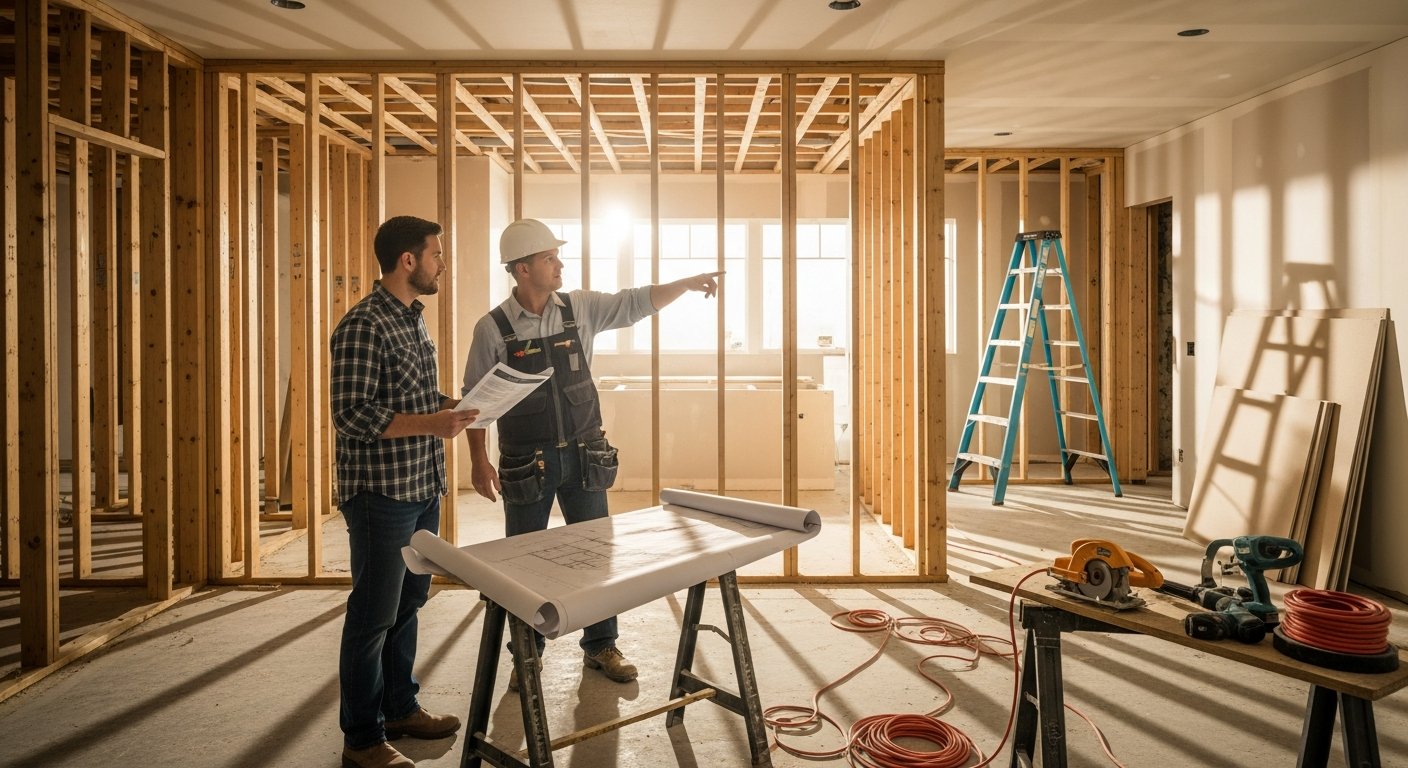
How to Vet Building Contractors Before You Hire
Learn how to vet building contractors effectively, compare quotes, and avoid costly mistakes with this practical homeowner guide.

By Elena John
Learn more about General Contracting for guides, costs, and what to expect.
Compare General Contracting Pros Near You

Enter your ZIP code to compare top-rated local professionals and request free quotes.
When you decide to remodel a kitchen, finish a basement, or add a second story, the success of the entire project rests on one critical decision: who you hire. Building contractors are the professionals who turn your vision into reality, manage the crews, pull permits, and keep the work on schedule. But choosing the wrong contractor can lead to budget overruns, shoddy workmanship, and even legal disputes. The good news is that a little upfront research goes a long way. This guide walks you through the essential steps to vet building contractors, understand their quotes, and secure a partnership that protects both your home and your peace of mind.
What Building Contractors Actually Do
Building contractors, often called general contractors, are the project managers of construction and renovation. They are the single point of responsibility for the entire job. They coordinate subcontractors, such as electricians, plumbers, and carpenters. They order materials, schedule inspections, and ensure the work meets local building codes. In short, they shoulder the logistical and administrative burden so you do not have to.
Understanding the distinction between a general contractor and a specialty contractor is important. A specialty contractor, like a roofer or an HVAC technician, focuses on one trade. A general contractor oversees the whole project, which is essential for any job that involves multiple trades or significant structural changes. For example, a bathroom remodel that moves plumbing and adds lighting requires a general contractor to coordinate the plumber, electrician, and tile setter. If you only hire a handyman for a complex job, you risk code violations and safety hazards.
Key Qualities to Look For in a Contractor
Before you even request quotes, you need to know what separates a reliable contractor from a problematic one. Here are the core qualities to prioritize during your search.
- Proper licensing and insurance: A legitimate contractor holds a valid state or local license and carries both general liability insurance and workers' compensation. This protects you from liability if someone gets injured on your property.
- Verifiable experience: Look for a contractor with a track record of similar projects. Ask for references and portfolios that demonstrate their capability.
- Clear communication: A good contractor listens to your needs, explains the process, and responds to questions promptly. They should be transparent about timelines, costs, and potential challenges.
- Written contracts: A professional always provides a detailed written contract. This document should outline the scope of work, materials, payment schedule, and warranty terms. Never rely on verbal agreements.
These qualities form the foundation of a successful contractor relationship. If a candidate fails any of these checks, move on to the next option. Remember, the cheapest bid is rarely the best value. A contractor who meets these criteria might charge more upfront, but they save you money in the long run by avoiding mistakes and delays.
How to Find Building Contractors
Finding reputable building contractors is easier than ever, thanks to digital marketplaces and referral networks. Start by asking friends, family, and neighbors for recommendations. Their firsthand experiences can provide valuable insights. However, a personal referral is only a starting point. You still need to vet candidates rigorously.
Online platforms like FreeQuotes.Contractors simplify the discovery process. This service connects homeowners with pre-vetted local contractors who are ready to provide free, competitive quotes. Instead of searching endlessly and making cold calls, you can submit a project request and receive multiple offers from qualified professionals. This approach saves time and gives you a basis for comparison. When you use such a platform, you also benefit from the fact that the contractors have already been screened for licenses and insurance, which is a significant advantage.
The Art of Comparing Quotes
Once you have gathered several quotes, the real work begins. You should not simply choose the lowest price. Instead, examine what each quote includes and excludes. A detailed, itemized estimate is a sign of a thorough contractor. It should list labor, materials, permit fees, and any other costs. Vague estimates, such as a single lump sum for "kitchen remodel," are a red flag.
When comparing quotes, pay close attention to the following:
- Scope of work: Does the quote specify the exact tasks, materials, and finishes? Are demolition, cleanup, and disposal included?
- Timeline: What is the projected start and completion date? How are delays handled?
- Payment schedule: Is the payment tied to project milestones? A typical schedule might be 10% to 20% as a deposit, then progress payments, with a final payment due after the final inspection.
- Warranty: Does the contractor offer a workmanship warranty? What does it cover, and for how long?
Do not hesitate to ask questions. If a contractor cannot explain a line item or becomes defensive when you ask for clarification, consider it a warning sign. A transparent contractor welcomes scrutiny because they have nothing to hide. Once you understand the quotes, you can negotiate. Perhaps you can remove a high-end fixture to lower the cost, or you can ask for a better price on materials. The goal is to reach a fair agreement that both parties are comfortable with.
Red Flags to Watch For
While you want to give contractors the benefit of the doubt, certain behaviors are simply unacceptable. Recognizing these red flags early can save you from a nightmare scenario.
- High-pressure sales tactics: If a contractor insists you sign a contract immediately or offers a "special discount" that expires in 24 hours, walk away. Legitimate professionals do not pressure clients.
- Demand for full payment upfront: A request for 100% payment before any work begins is a major red flag. Reputable contractors typically ask for a modest deposit, often 10% to 20%, to cover materials and initial mobilization.
- Lack of a physical address: A contractor who only operates from a cell phone and a P.O. box is hard to hold accountable. Verify their business address and check that it matches their license information.
- Unwillingness to provide references: If a contractor cannot produce a list of past clients, they likely do not have a track record of successful projects.
- Vague or missing contract terms: A verbal agreement is not a contract. If the contractor refuses to put everything in writing, do not proceed.
These red flags are not just annoying; they are indicators of potential fraud or incompetence. Trust your instincts. If something feels off, it probably is. Your home is too important to gamble with.
The Role of FreeQuotes.Contractors
FreeQuotes.Contractors is designed to address many of these concerns before you even start interviewing. The platform pre-vets its contractors, which means you are less likely to encounter unlicensed or uninsured individuals. When you submit a quote request, the platform matches you with contractors who are available in your area and who specialize in your type of project. This targeted approach saves you time and reduces the risk of receiving irrelevant bids.
Moreover, the platform offers educational content and project guides to help you understand the process. You can learn about typical costs, project timelines, and what to expect during construction. Armed with this knowledge, you can have more informed conversations with contractors and make better decisions. The service is free for homeowners, and there is no obligation to hire anyone. You are simply getting quotes, which is the smartest way to begin any home improvement project.
How to Negotiate a Fair Contract
Once you have selected a contractor, the next step is to finalize the contract. This document is your legal protection, so it must be comprehensive and clear. Do not rely on a handshake. Here are the essential elements to include in any contract.
- Detailed project description: This includes the scope of work, materials (with brands and model numbers), and the exact dimensions or finishes.
- Payment schedule: Specify the amount due at each phase, such as 20% at signing, 30% when framing is complete, 30% when finishes are installed, and 20% upon final inspection.
- Timeline and delays: State the start and completion dates. Include a clause about how delays are handled, whether due to weather, material shortages, or contractor negligence.
- Permits and inspections: The contractor should be responsible for obtaining all necessary permits and scheduling inspections. Confirm this in writing.
- Warranty: Include a warranty clause that covers workmanship and materials. Typically, contractors offer a one-year warranty, but you can negotiate for longer coverage on specific items.
- Change order process: Any changes to the original scope must be documented in writing and signed by both parties. This prevents disputes about unexpected costs.
- Cleanup and debris removal: Specify who is responsible for daily cleanup and final removal of construction waste.
Review the contract with a fine-tooth comb. If you are unsure about any clause, consider consulting with a lawyer who specializes in construction law. This is especially important for large projects. Remember, a reasonable contractor will not object to a fair contract. They want to protect themselves too, and a clear contract does that for everyone.
Managing the Project to Completion
Your role does not end when you sign the contract. Active project management is crucial to ensure the work stays on track. Schedule regular check-ins with the contractor, either weekly or at key milestones. Walk through the site, ask questions, and document progress with photos. This helps you catch issues early, before they become costly problems.
Be prepared for the unexpected. Even the best-planned projects can encounter surprises, such as hidden water damage or structural issues. A good contractor will flag these issues and propose solutions, along with associated costs. You need to be flexible and make informed decisions quickly. This is where a clear change order process becomes invaluable. Always get changes in writing before approving additional work.
Finally, do not make the final payment until the project is complete and you have done a thorough walkthrough. Check that all work meets the specifications, that systems function properly, and that the site is clean. If you identify any deficiencies, list them and ask the contractor to fix them before you release the final payment. Once you are satisfied, keep all documents, including the contract, receipts, and warranty information, in a safe place for future reference.
Building a Long-Term Relationship
A successful renovation can be the start of a valuable relationship. If you are pleased with the contractor's work, keep their contact information for future projects. Many homeowners use the same contractor for years, which means the contractor already understands your home and your preferences. This continuity can lead to smoother projects and even preferred pricing.
Additionally, consider leaving a positive review on platforms like FreeQuotes.Contractors. Your feedback helps other homeowners make informed decisions and rewards contractors for good work. It also encourages contractors to maintain high standards, which benefits the entire community. In the end, hiring building contractors is not just about a single transaction; it is about building trust and ensuring your home remains a safe, comfortable, and valuable asset.
By following these steps, you can approach your next home improvement project with confidence. You will know how to find candidates, compare quotes, negotiate a fair contract, and manage the work to a successful finish. The effort you invest in vetting building contractors today pays off in the form of a beautiful, durable, and code-compliant result that you can enjoy for years to come.