
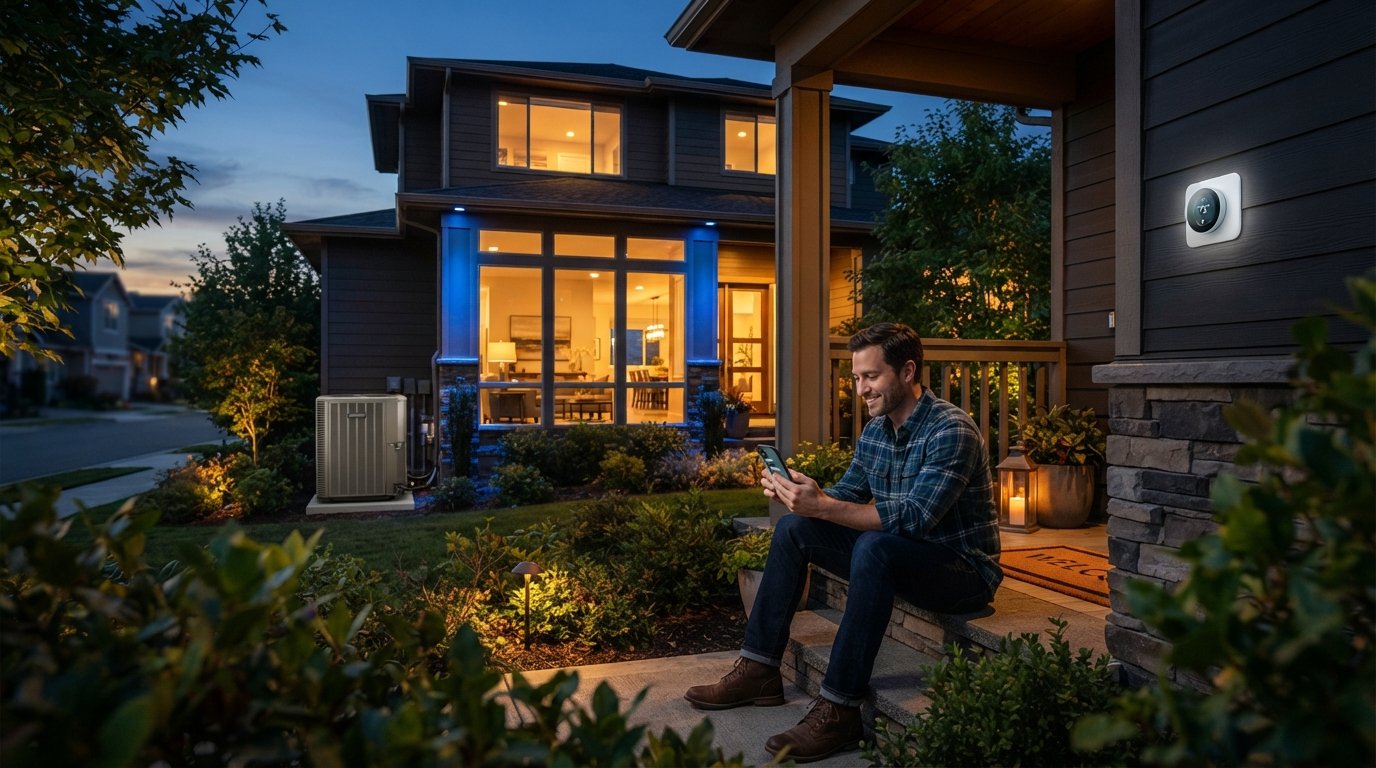
Smart Home Integration with HVAC System: 2026 Guide
Discover how smart home integration with HVAC system can cut energy bills, boost comfort, and add value to your home in 2026.

By Elena John
Learn more about Thermostat Installation or Repair for guides, costs, and what to expect.
Compare Thermostat Installation or Repair Pros Near You

Enter your ZIP code to compare top-rated local professionals and request free quotes.
Imagine adjusting your home's temperature from bed, having your AC turn on just before you arrive, and receiving alerts when your air filter needs changing. This is no longer a futuristic dream. Smart home integration with HVAC system technology has become accessible, practical, and increasingly expected in modern homes. For homeowners in Houston, Denver, or anywhere in the United States, connecting your heating and cooling to a smart ecosystem offers more than just convenience. It can significantly reduce energy bills, extend equipment lifespan, and boost your home's resale value. This guide walks through what you need to know, from choosing compatible devices to working with a qualified contractor for installation and setup.
The journey to a smarter home often begins with a simple thermostat upgrade, but the full potential lies in a coordinated network. When your HVAC system works in concert with smart sensors, window shades, and occupancy detectors, it creates an efficient, responsive environment. However, navigating the options can be overwhelming. This article covers the core components, installation considerations, cost factors, and practical strategies to help you make an informed decision.
What Is Smart Home Integration with HVAC System?
Smart home integration with HVAC system refers to connecting your heating, ventilation, and air conditioning equipment to your home network, allowing for remote control, automation, and data analysis. Unlike a traditional thermostat that requires manual adjustment, an integrated system uses sensors, Wi-Fi, and sometimes artificial intelligence to optimize your indoor climate. The core idea is to let your HVAC respond to your lifestyle, not the other way around.
For example, a smart thermostat can learn your daily schedule, detect when you are away, and adjust temperatures accordingly. But integration goes deeper. It can link to smart vents that direct airflow to occupied rooms, integrate with weather forecasts to pre-cool your home before a heatwave, and even work with your smart speaker for voice commands. The result is a cohesive system that maximizes comfort while minimizing wasted energy.
While this technology might sound complex, modern systems are designed with user-friendliness in mind. Most major HVAC manufacturers now offer their own smart thermostats, and third-party options like Nest and Ecobee are widely compatible. The challenge lies not in the hardware itself but in planning and configuration. A well-integrated system requires careful assessment of your existing equipment, home layout, and internet connectivity.
Key Benefits of Integrating Your HVAC with Smart Home Technology
Upgrading to a smart HVAC system offers tangible advantages that go beyond the novelty of controlling your home with a smartphone. Here are the primary benefits you can expect:
- Energy savings: Smart thermostats can reduce heating and cooling costs by 10-15% by automatically adjusting temperatures when you are asleep or away.
- Enhanced comfort: Zoned heating and cooling, enabled by smart vents or multiple sensors, eliminates hot and cold spots throughout your home.
- Remote access and control: Adjust your home's temperature from anywhere using your smartphone, ensuring you always return to a comfortable environment.
- Proactive maintenance alerts: Receive notifications about filter changes, system malfunctions, or unusual energy usage, preventing small issues from becoming major repairs.
- Increased home value: Smart home features are increasingly sought after by buyers, making your property more attractive on the market.
Each of these benefits contributes to a more efficient and comfortable living space. Energy savings alone can offset the initial investment over time, especially in regions with extreme temperatures. Furthermore, the data collected by smart systems can help you understand your energy consumption patterns and make more informed decisions about your household routines.
Essential Components of a Smart HVAC Setup
Building a smart HVAC setup involves more than just swapping out your thermostat. A complete system includes several key components that work together seamlessly.
Smart Thermostats
The centerpiece of any smart HVAC integration is the thermostat. Modern smart thermostats like the Nest Learning Thermostat or Ecobee SmartThermostat come with built-in Wi-Fi, motion sensors, and learning algorithms. They can automatically create a heating and cooling schedule based on your habits, and they integrate with popular voice assistants like Alexa and Google Assistant. When selecting a thermostat, ensure it is compatible with your HVAC system's voltage and wiring.
Smart Sensors and Vents
To achieve true zone control, consider adding smart sensors and vents. Wireless sensors placed in different rooms can detect occupancy and temperature, sending data to the thermostat to prioritize airflow where needed. Smart vents, which can be individually controlled, open or close to direct conditioned air precisely where it is required. This approach is especially beneficial in multi-story homes or areas with uneven cooling and heating.
Smart Home Hubs and Voice Assistants
While many smart thermostats operate standalone, integrating them with a smart home hub (like Amazon Echo, Google Nest Hub, or Apple HomeKit) centralizes control. This allows you to create routines, such as "Goodnight," which simultaneously adjusts the thermostat, locks doors, and turns off lights. Voice commands make adjustments hands-free, and you can monitor your HVAC status from the same app you use for other smart devices.
Integration with Other Smart Devices
Your HVAC can also interact with other smart home gear. For example, smart blinds can close during the hottest part of the day to reduce solar heat gain, reducing the load on your AC. Ceiling fans with smart controls can be set to run only when a room is occupied. This holistic approach amplifies the efficiency of your entire home, not just the HVAC system.
How to Plan Your Smart HVAC Integration
Successfully integrating your HVAC system requires a structured plan. Start by assessing your current equipment and goals. Here is a step-by-step approach:
- Evaluate your existing HVAC system: Check the age, type, and condition of your furnace, AC unit, and ductwork. Older systems may lack the compatibility needed for advanced smart controls, and a professional can advise on potential upgrades.
- Define your priorities: Are you aiming for maximum energy savings, improved comfort, or seamless voice control? Your priorities will determine which components you invest in.
- Check compatibility: Not all smart thermostats work with every HVAC system. Verify compatibility with your equipment's voltage and wiring, or ask a professional to assess.
- Choose your ecosystem: Decide whether you want to use a single brand's ecosystem (like Google or Apple) or a mix of compatible devices. Sticking to one ecosystem simplifies control and automation.
- Hire a qualified contractor: For installation and setup, especially if you have a high-voltage system or need to add new wiring, it is wise to hire an experienced HVAC technician. They can ensure proper installation and integration, ensuring safety and optimal performance.
Taking these steps in order prevents common pitfalls, such as buying a thermostat that doesn't work with your system or neglecting to consider Wi-Fi coverage in your home. A professional can also help you navigate the nuances of multi-stage heating and cooling systems, which require special attention during integration.
Installation Process: What to Expect
Once you have chosen your smart HVAC components, the installation process typically involves several stages. For a basic smart thermostat replacement, a DIY enthusiast might manage it, but for more complex integrations, professional help is recommended. Here is what a typical professional installation includes:
The first step is a site visit to inspect your current HVAC system and wiring. The technician will turn off power to the unit, remove the old thermostat, and install the new smart thermostat, ensuring all wire connections are correct. They will then connect the device to your Wi-Fi network and configure it in the manufacturer's app. This includes setting your preferred schedule, connecting to any sensors, and linking to your smart home hub.
For more advanced setups, such as installing smart vents or zoning equipment, the process can take longer. The technician may need to access your ductwork, which could involve cutting and sealing. Throughout the process, they will test the entire system to ensure all components communicate properly and that your HVAC operates as expected. Finally, they will walk you through the app, showing you how to adjust settings, create routines, and monitor energy usage. If you are considering a full smart home renovation, our guide on home renovation material costs can help you budget for these upgrades.
Choosing the Right HVAC Contractor for Smart Integration
Selecting the right professional is crucial for a smooth smart home integration with your HVAC system. Not all HVAC contractors have experience with smart technology, so you need someone who is both technically skilled and familiar with networking. Look for contractors who hold certifications from manufacturers like Nest or Ecobee, as this indicates specialized training.
When interviewing potential contractors, ask about their experience with smart thermostats, zoning systems, and integration with other smart home devices. Request references from past clients who have similar setups. A reputable contractor will also provide a detailed quote outlining the costs of equipment, labor, and any additional wiring. Remember that the cheapest option is not always the best, especially when dealing with complex electronic systems.
Before hiring, verify that the contractor is licensed and insured in your state. You can also check online reviews and ratings on platforms like the Better Business Bureau. A professional who stays updated on the latest technology trends is more likely to offer a solution that meets your needs and budget. For more guidance, you can explore resources like Repairmen, a nationwide platform that connects homeowners with vetted service professionals, including HVAC experts.
Cost Analysis: Smart HVAC Integration vs. Traditional Systems
The initial investment for smart HVAC technology is higher than a traditional thermostat, but the long-term savings can be substantial. Here is a breakdown of typical costs:
- Smart thermostat: $150-$300 plus installation ($100-$200).
- Smart sensors (per sensor): $30-$80.
- Smart vents (per vent): $100-$200, plus installation.
- Professional installation and setup: $200-$500 depending on complexity.
In contrast, a traditional programmable thermostat costs $30-$50, and installation is often simpler. However, the energy savings from a smart thermostat can recoup the higher upfront cost within 2-3 years. Moreover, the enhanced comfort and convenience are benefits that are difficult to quantify in dollars.
For homeowners planning a complete HVAC replacement, integrating smart controls from the outset is often more cost-effective than retrofitting. Many modern HVAC systems come with built-in smart capabilities, and professional installation can bundle the costs. It is also worth considering the potential increase in home resale value. Smart home features are a selling point, and a professionally installed system can make your property stand out in a competitive market.
Troubleshooting Common Smart HVAC Issues
Even with professional installation, you may encounter occasional issues with your smart HVAC system. Here are a few common problems and solutions:
- Wi-Fi connectivity problems: The thermostat may lose connection to your network. Ensure your router is within range, update firmware, and consider a Wi-Fi extender.
- Incorrect temperature readings: If the thermostat's sensor is in direct sunlight or near a heat source, it may misread. Relocate the sensor or adjust its position.
- Compatibility issues with other smart devices: Sometimes, devices from different ecosystems fail to sync. Check for software updates and ensure all devices are on the same network.
- System not responding to voice commands: This usually occurs due to misconfiguration in the voice assistant app. Re-link the thermostat skill or routine.
For more complex issues, such as erratic HVAC behavior or short cycling, it is best to call a professional. They can diagnose whether the problem lies in the smart controller or the HVAC equipment itself. Regular maintenance, including cleaning filters and checking system performance, can prevent many issues from occurring in the first place.
Future Trends in Smart HVAC Technology
The field of smart home integration with HVAC systems is evolving rapidly. In 2026, we are seeing a shift towards more sustainable and intelligent solutions. Heat pumps are gaining popularity due to their efficiency and dual heating and cooling capabilities, and they are increasingly paired with smart controls for optimal performance. Additionally, artificial intelligence is becoming more sophisticated, allowing systems to predict your comfort needs based on external weather data and your past adjustments.
Another trend is the integration of HVAC with home energy management systems. This allows homeowners to monitor their total energy usage, including HVAC, solar panels, and battery storage, in one interface. As energy costs rise, this holistic view becomes invaluable. Furthermore, advancements in sensor technology are enabling more precise zoning, with some systems using millimeter-wave radar to detect occupancy and even measure heart rate and breathing for enhanced comfort and health monitoring.
Finally, the push for net-zero homes is driving the adoption of smart HVAC systems that can automatically adjust to maximize renewable energy use. For example, a system might delay cooling until solar panels are producing peak power, reducing grid dependency. These innovations promise even greater efficiency and control for homeowners.
Making the Decision: Is Smart HVAC Integration Right for You?
Smart home integration with your HVAC system is a significant decision that depends on your lifestyle, budget, and long-term plans for your home. If you value convenience, are tech-savvy, and want to reduce your carbon footprint, the investment is likely worthwhile. The energy savings, combined with enhanced comfort and the ability to control your system remotely, are compelling reasons to upgrade.
However, if you have an older HVAC system that is nearing the end of its life, it might be more economical to replace the entire unit with a smart-compatible model rather than retrofitting outdated equipment. Also, consider your comfort with technology. If you prefer a simple, manual thermostat, the learning curve might not be worth it. But for most modern households, the benefits far outweigh the initial hassle.
Before making a final decision, consult with a professional who can assess your home's specific needs and provide a clear estimate. By doing your research and choosing the right contractor, you can enjoy a seamlessly integrated smart home that keeps you comfortable all year round.