
Winter Home Maintenance Checklist to Prevent Cold Damage
Use this winter home maintenance checklist to prevent cold damage, from attic insulation to pipe protection. Call (833)-211-1668 for expert contractor help.

By Sophie Reed
Learn more about Weatherization for guides, costs, and what to expect.
Compare Weatherization Pros Near You

Enter your ZIP code to compare top-rated local professionals and request free quotes.
When the first hard freeze hits, most homeowners think about bursting pipes. But cold damage rarely stops there. Ice dams can tear off gutters, drafts can send heating bills soaring, and a neglected furnace can quit on the coldest night of the year. A winter home maintenance checklist to prevent cold damage is not just about survival; it is about protecting your biggest investment and avoiding thousands of dollars in emergency repairs. This guide walks you through the critical tasks that experienced contractors recommend, from attic insulation to emergency supplies, so you can face winter with confidence.
Start With the Attic: Insulation and Air Sealing
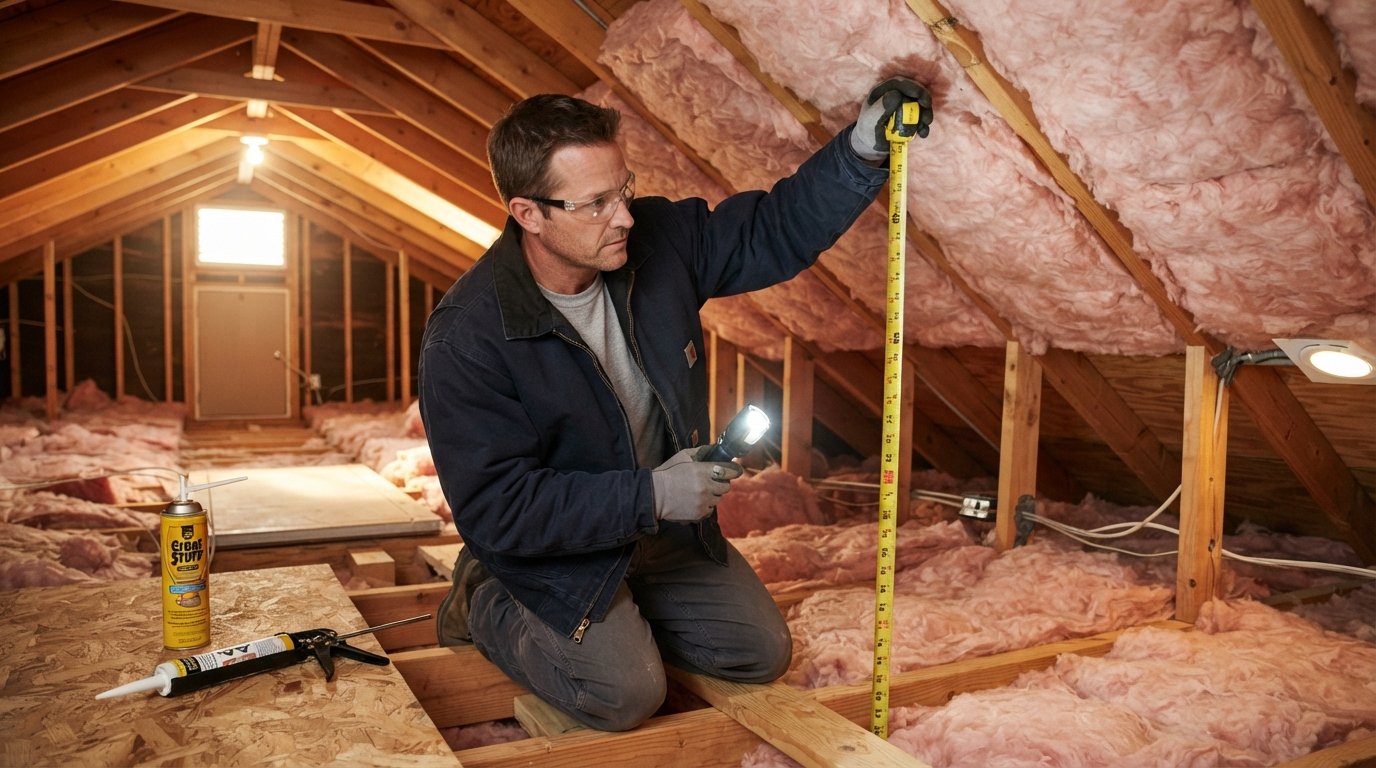
The attic is where heat escapes and cold enters, making it the first stop on any serious winter checklist. Proper insulation and air sealing keep your home warm, reduce energy bills, and prevent ice dams. Before you climb up there, grab a flashlight, a tape measure, and a notepad. Check the depth of your insulation: in most U.S. climates, you want at least 10 to 14 inches of fiberglass or cellulose. If it is less, adding more is a straightforward DIY project or a quick job for a pro.
But insulation alone is not enough. Air leaks around pipes, wiring, and recessed lights let warm air escape into the attic, where it can melt snow on the roof and refreeze at the eaves. Seal those gaps with caulk or spray foam. While you are up there, look for signs of moisture, like dark stains or frost on the roof deck. Moisture problems often stem from poor ventilation, which can lead to mold and rot. If you spot anything suspicious, consider calling a professional to assess your attic's ventilation and insulation.
For homeowners planning larger upgrades, such as adding insulation or replacing windows, it helps to have a clear budget. Our home renovation budget planner can help you allocate funds wisely and avoid overspending.
Seal Drafts and Weatherstrip Doors and Windows
Drafts are silent budget killers. A small gap around a door or window can waste as much energy as leaving a window open a few inches. Weatherstripping and draft sealing are inexpensive, high-impact tasks that belong on every winter home maintenance checklist. Start by inspecting exterior doors: if you can see daylight around the frame or feel a breeze when the door is closed, it needs attention. Install weatherstripping along the sides and top, and add a door sweep at the bottom.
For windows, check the seals and glazing. Cracked caulk or missing putty lets cold air in and warm air out. Apply a fresh bead of exterior caulk around the frames. If you have old, single-pane windows, consider shrink-wrap film as a temporary fix, or plan for a window replacement project in the spring. According to the U.S. Department of Energy, air sealing and insulation can save homeowners an average of 15% on heating and cooling costs. That is real money back in your pocket.
Do not forget less obvious spots: electrical outlets on exterior walls, mail slots, and dryer vents. Foam gaskets behind outlet covers and insulated covers for mail slots are cheap and easy to install. A few hours of work can make your home noticeably warmer and quieter.
Prevent Ice Dams and Manage Roof Snow Load
Ice dams are among the most destructive winter problems, and they are almost entirely preventable. An ice dam forms when warm air escapes into the attic, melts snow on the roof, and the water refreezes at the colder eaves. The resulting ice barrier traps water, which can back up under shingles and leak into your home, damaging ceilings, walls, and insulation. The key to prevention is keeping the entire roof cold, which means addressing attic insulation and ventilation first.
Before the snow flies, clean your gutters thoroughly. Clogged gutters prevent proper drainage and contribute to ice dam formation. Make sure downspouts direct water at least six feet away from the foundation. If you have a history of ice dams, consider installing heated cables along the eaves, but only as a supplement to proper insulation and ventilation. Also, check your roof for loose or damaged shingles and flashing, and repair them now before winter weather makes the job harder.
After a heavy snowfall, monitor the snow load on your roof. Most residential roofs are designed to handle typical snow loads, but repeated storms can pile up. Use a roof rake to safely remove snow from the edges, but never climb onto a snowy roof yourself. If you are unsure about your roof's structural capacity or see sagging, cracks, or leaks, call a professional immediately. For roofing repairs or inspections, you can connect with pre-vetted local contractors through Contractor.Homes, a platform that helps homeowners find reliable pros for projects big and small.
Inspect and Maintain Your Heating System
Your heating system works harder in winter than at any other time, so it deserves a thorough checkup before the season starts. Schedule a professional HVAC inspection in early fall. A technician will clean the furnace, check for carbon monoxide leaks, test the heat exchanger, and ensure the system runs efficiently. This is not a task to skip: a faulty furnace can be a safety hazard, and a neglected one can fail when you need it most.
Replace your furnace filters regularly, typically every one to three months. During peak winter use, check them monthly. A dirty filter restricts airflow, forcing the system to work harder and driving up energy bills. It also reduces indoor air quality. Keep a supply of filters on hand so you never forget. If your heating system is more than 15 years old, start budgeting for a replacement; winter is not the time to discover that your furnace is on its last legs.
If you use a wood-burning fireplace or stove, have the chimney inspected and cleaned annually. Creosote buildup can cause chimney fires. And make sure you have working carbon monoxide detectors on every level of your home and near sleeping areas. Test them monthly and replace batteries twice a year.
Protect Pipes from Freezing
Frozen pipes are a classic winter disaster, but they are entirely preventable with a few simple steps. Before the first freeze, locate all exposed pipes in unheated areas: basements, crawl spaces, attics, garages, and under sinks on exterior walls. Insulate them with foam pipe sleeves or heat tape. Even a simple layer of insulation can make the difference between flowing water and a burst pipe.
Disconnect garden hoses and shut off exterior faucets. If you have a sprinkler system, blow it out with compressed air. Inside, know where your main water shut-off valve is located, and make sure everyone in the household knows how to use it. If you plan to be away during a cold snap, leave your thermostat set to at least 55 degrees Fahrenheit and ask a neighbor to check on the house. For extra peace of mind, install a water leak detector or a smart thermostat that alerts you to temperature drops.
If a pipe does freeze, never use an open flame to thaw it. Use a hair dryer, heat lamp, or space heater with caution, and keep the faucet open so melting water can flow. If you suspect a burst pipe, shut off the water immediately and call a plumber. Fast action can minimize water damage.
Prepare Your Emergency Kit and Contact List
Winter storms can knock out power and make roads impassable. Being prepared with an emergency kit and a list of trusted contacts is a critical part of your winter home maintenance checklist. Your kit should include flashlights, extra batteries, a battery-powered radio, bottled water, non-perishable food, a first-aid kit, blankets, and a manual can opener. Keep it in an easily accessible place.
Create a contact list that includes your utility companies, a local plumber, an HVAC technician, and a roofer. Save these numbers in your phone and on paper. If a pipe bursts or your furnace dies, you want to reach a pro quickly. In many areas, emergency repair services book up fast during cold snaps. Having a reliable contractor on speed dial can save you hours of stress. If you do not have a trusted pro yet, you can use a service like FreeQuotes.Contractors to request free quotes from pre-vetted local contractors in your area. This is especially useful for non-emergency repairs or upgrades you want to tackle in the spring.
Finally, review your homeowners insurance policy to understand what is covered in case of winter damage. Most policies cover sudden and accidental damage, like a burst pipe, but may exclude damage from neglected maintenance. Take photos of your home before winter as a record, and keep receipts for any preventive repairs. A little documentation goes a long way if you need to file a claim.
By working through this winter home maintenance checklist to prevent cold damage, you are not just avoiding repairs; you are protecting your family's comfort and your home's value. Many of these tasks are simple weekend projects, but if you need help with insulation, roofing, HVAC, or plumbing, do not hesitate to bring in a qualified professional. A few proactive hours now can save you thousands of dollars and countless headaches when temperatures plummet.