
7 Small Home Improvements With Big ROI in 2026
Discover seven affordable home upgrades that deliver up to 98% ROI in 2026, from front doors to insulation, with expert tips.
By Adnan Nazir
Learn more about Home Remodeling for guides, costs, and what to expect.
Compare Home Remodeling Pros Near You

Enter your ZIP code to compare top-rated local professionals and request free quotes.
You do not need a full kitchen remodel or a room addition to see a meaningful return on your home improvement dollars. In fact, some of the most impactful projects are small, affordable, and surprisingly fast to complete. Whether you plan to sell in the next few years or simply want to build equity while you live in your home, focusing on small home improvements with big ROI is a smart, low-risk strategy. The key is knowing which upgrades actually move the needle on resale value, curb appeal, and buyer interest, and which ones simply drain your budget. This guide breaks down the seven highest-return projects for 2026, with realistic cost estimates, average ROI percentages, and practical tips for hiring the right help.
Why Small Projects Often Outperform Major Renovations
Homeowners frequently assume that bigger renovations produce bigger returns. But real estate data tells a different story. Major remodels, such as a luxury kitchen overhaul or a master suite addition, often return only 50% to 70% of their cost at resale. That is because buyers do not always value the same things you do, and high-end finishes can date quickly or feel too personalized. Small, targeted improvements, on the other hand, tend to align more closely with what average buyers expect in a well-maintained home. They also carry less financial risk and can be completed in days rather than months.
Another advantage of small projects is that they can be staged over time. You do not need a lump sum of cash or a construction loan. Instead, you can tackle one project per season, using a free quote service like Repairmen to connect with vetted local pros for each job. This approach spreads out costs, minimizes disruption, and lets you prioritize the upgrades that matter most in your specific market. Plus, when you do decide to sell, you will have a series of completed projects that show up clearly in listing photos and home inspections.
The 2026 ROI Benchmarks You Should Know
Before we dive into the specific projects, it helps to understand how ROI is calculated. In simple terms, ROI (return on investment) is the percentage of a project's cost that you can expect to recoup when you sell your home. For example, if a project costs $5,000 and adds $4,000 to your home's resale value, the ROI is 80%. This is not the same as a cash-on-cash return, because you also get to enjoy the improvement while you live there. The numbers below are based on national averages from real estate and remodeling industry reports for 2026. Your actual ROI can vary based on your region, the condition of your home, and the quality of the workmanship.
Here are the seven projects with the strongest average ROI for the coming year:
- Entry door replacement (steel): 98% ROI on average, with a typical cost of $1,500 to $3,000.
- Garage door replacement: 97% ROI, costing between $800 and $2,000 depending on material and insulation.
- Minor kitchen remodel (refacing, new hardware, mid-range appliances): 85% ROI, with costs from $10,000 to $20,000.
- Attic insulation upgrade: 80% ROI, plus immediate energy savings of 10% to 20% on heating and cooling.
- Bathroom refresh (new vanity, toilet, lighting, and fixtures): 75% ROI, typically costing $5,000 to $10,000.
- Exterior paint touch-ups or full repaint: 70% ROI, with professional costs from $1,500 to $4,000.
- Smart thermostat and energy-efficient lighting: 65% ROI, but with extremely low upfront costs and fast payback through utility savings.
These figures illustrate a clear trend: projects that improve curb appeal, energy efficiency, and basic functionality deliver the best returns. High-end luxury upgrades, like wine cellars or home theaters, rarely offer the same financial benefit. By focusing on the items on this list, you can maximize your investment without over-improving for your neighborhood.
Project 1: Replace Your Front Door
Your front door is the first thing buyers see, and it sets the tone for the entire property. A worn, dated, or poorly insulated door can make a home feel neglected. Replacing it with a modern steel door, one with a smart lock or decorative glass, offers one of the highest ROIs in home improvement. Steel doors are durable, low-maintenance, and provide excellent insulation, which appeals to energy-conscious buyers. The cost typically runs between $1,500 and $3,000, including installation, and the average resale value increase is around $2,000 to $3,000, putting the ROI near 98%.
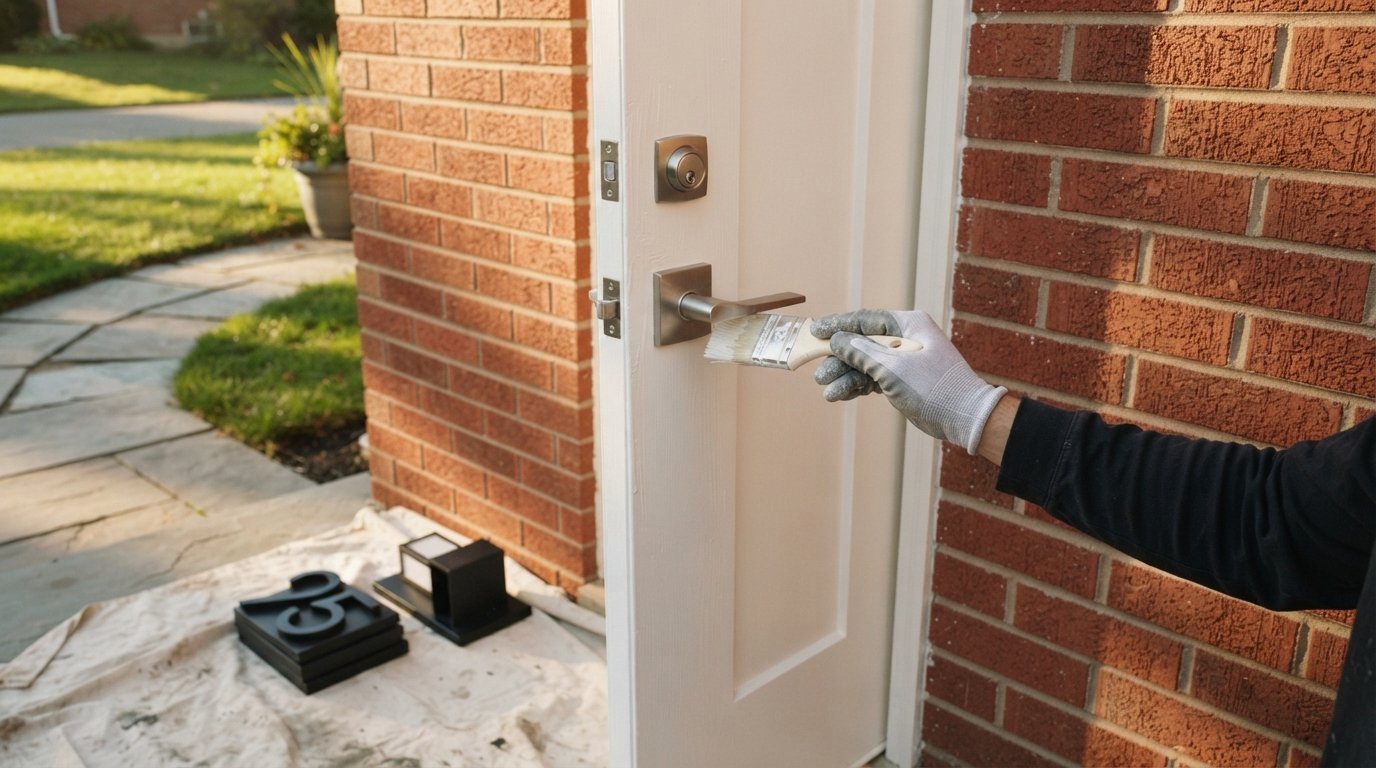
If a full replacement is not in your budget, consider simpler upgrades that still make a strong impression. Replacing the hardware (handle, deadbolt, and knocker) with brushed nickel or oil-rubbed bronze can cost under $200 and take less than an hour. Adding a fresh coat of exterior paint in a bold, classic color like deep navy or forest green can also transform the entrance for under $100 in materials. The key is to ensure the door is clean, functional, and visually inviting.
Project 2: Upgrade Your Garage Door
Garage doors are another high-impact exterior feature. They account for a significant portion of your home's facade, and an outdated or damaged door can drag down the entire appearance. Replacing a standard aluminum or steel garage door with a modern, insulated model costs between $800 and $2,000, and the average ROI is 97%. Buyers appreciate the improved insulation, quieter operation, and enhanced safety features, such as auto-reverse sensors and smart controls.
If you are not ready for a full replacement, you can still boost curb appeal with a few targeted fixes. Repainting the door to match your home's trim, updating the windows with decorative inserts, or installing a new keypad entry system are all budget-friendly options. Many homeowners also choose to add a layer of weather stripping to reduce drafts and prevent water damage. These small touches make the home feel newer and better maintained, which is exactly what buyers are looking for.
Project 3: Refresh Your Kitchen on a Budget
The kitchen is often called the heart of the home, but a full remodel can cost $50,000 or more and take weeks to complete. A minor kitchen remodel, on the other hand, delivers an average ROI of 85% and can be done in as little as two weeks. The goal is to make the space feel updated without changing the layout or replacing high-end materials. Start by refacing existing cabinets, which means replacing the doors and drawer fronts while keeping the boxes. This alone can cut the cost of new cabinets in half. Add new hardware, a modern faucet, and energy-efficient appliances in a consistent finish, such as stainless steel or black matte.
Lighting also plays a critical role in a kitchen refresh. Replacing an old fluorescent or single pendant light with recessed can lighting or a row of stylish LED pendants can brighten the space and make it feel larger. A new backsplash, whether it is classic subway tile or a bold geometric pattern, adds visual interest and is relatively inexpensive to install. And do not overlook the power of a fresh coat of paint on the walls and ceiling, using a washable, moisture-resistant finish. These updates collectively make the kitchen look like a much more expensive renovation, which is exactly what you want when it comes to resale value.
Project 4: Boost Energy Efficiency With Insulation and Sealing
Energy efficiency is a top priority for modern buyers, and it is also one of the easiest areas to improve with small, cost-effective projects. Adding insulation to your attic, sealing gaps around windows and doors, and upgrading to a smart thermostat can reduce your energy bills by 10% to 20% immediately. The upfront costs are modest: attic insulation runs about $1,500 to $2,500 for a typical home, while weather stripping and caulking cost under $200 in materials. The ROI is around 80%, but the real benefit is the monthly savings you enjoy before you sell.
Beyond the financial return, energy-efficient homes are more comfortable and have fewer drafts, which is a strong selling point. When you request quotes from local contractors, ask about blower-door testing, which identifies air leaks and helps prioritize the most impactful sealing work. Many utility companies also offer rebates for insulation upgrades, which can further reduce your out-of-pocket cost. These improvements are especially valuable if you live in a region with extreme temperatures, as they directly address buyer concerns about high utility bills.
Project 5: Give Your Bathroom a Face-Lift
A full bathroom remodel can easily exceed $15,000, but a minor refresh can be done for under $10,000 with an ROI of 75%. Focus on the elements that matter most to buyers: a clean, modern vanity, a new toilet, updated lighting, and a fresh coat of paint. Replacing an older vanity with a floating or furniture-style unit can completely change the look of the room. Add a new mirror with integrated LED lighting, swap out the faucet, and install a water-efficient showerhead. These changes are relatively simple for a handyman or plumber and can be completed in a few days.
If the tile is in good condition but looks dated, consider reglazing the bathtub or shower surround instead of replacing it. This process costs a fraction of new tile installation and can make the surface look brand new. Similarly, replacing the toilet with a modern, elongated model that has a soft-close seat is a low-cost upgrade that feels high-end. The goal is to create a spa-like atmosphere that appeals to buyers without the expense of a full gut renovation.
Project 6: Enhance Curb Appeal With Paint and Landscaping
First impressions are formed in seconds, and curb appeal is one of the strongest predictors of a quick sale. A professional exterior paint job can cost between $1,500 and $4,000, but it can increase perceived value by up to 5% and help your home stand out in a competitive market. If the siding is in good shape, you may only need to repaint the trim, front door, and shutters, which is much more affordable. Power washing the driveway and walkways also makes a big difference and costs very little.
Landscaping is another area where small investments yield big returns. A well-manicured lawn, trimmed shrubs, and a few colorful flower beds can add thousands of dollars to your home's appeal. You do not need a full redesign; even simple tasks like mulching, edging, and planting native perennials can transform the front yard. Adding a stone path or a new mailbox can also create a polished look. These projects are ideal for do-it-yourselfers, but if you prefer to hire help, a local landscaper can handle them affordably.
How to Choose the Right Contractor and Avoid Hidden Costs
No matter which project you tackle, the quality of the workmanship is critical to your ROI. A poorly installed door or a sloppy paint job will not only reduce your home's value, it could also lead to costly repairs down the road. That is why it is essential to hire licensed, insured contractors with a track record of successful projects. Start by getting at least three quotes from different professionals, and compare not just the price but also the scope of work, materials, and timeline. A free quote service like FreeQuotes.Contractors can connect you with pre-vetted local contractors who have been reviewed by other homeowners, saving you time and reducing the risk of hiring an unreliable pro.
When you receive estimates, look for red flags such as vague descriptions, unusually low bids, or demands for a large upfront payment. A professional contractor will provide a detailed written contract that specifies the work to be done, the materials to be used, and a clear payment schedule. Be sure to ask about warranties on both labor and materials, and confirm that the contractor carries liability insurance and workers' compensation. Taking these steps will protect you financially and ensure that your project is completed correctly the first time.
Plan Your Projects and Track Your Spending
The most successful homeowners treat home improvements as a planned investment, not a series of impulse purchases. Start by setting a budget for the year, then prioritize the projects that offer the highest ROI and align with your personal needs. Create a simple spreadsheet to track costs, timelines, and the actual resale value impact you expect. This will help you avoid over-improving for your neighborhood, which is a common mistake that can actually hurt your ROI.
It is also wise to focus on projects that solve everyday problems, such as a leaky faucet or a drafty window, before investing in purely cosmetic upgrades. Buyers are often more willing to pay a premium for a home that is move-in ready, which means all systems are functioning and there are no obvious maintenance issues. By completing a series of small, high-return projects, you position your home as a low-risk, high-value purchase, which can lead to a faster sale and a higher final price.
Final Thoughts
You do not need to spend a fortune to increase your home's value. By focusing on small home improvements with big ROI, you can make meaningful upgrades that pay off at resale and improve your daily living experience. Whether you start with a new front door, a garage door replacement, or a minor kitchen refresh, each project moves you closer to a more valuable, more comfortable home. The key is to plan carefully, hire qualified professionals, and keep your spending in line with the expected return. With these strategies in mind, you can confidently tackle the projects that matter most and enjoy the financial rewards for years to come.
Learn more about Home Remodeling for guides, costs, and what to expect.
Compare Home Remodeling Pros Near You
Enter your ZIP code to compare top-rated local professionals and request free quotes.