
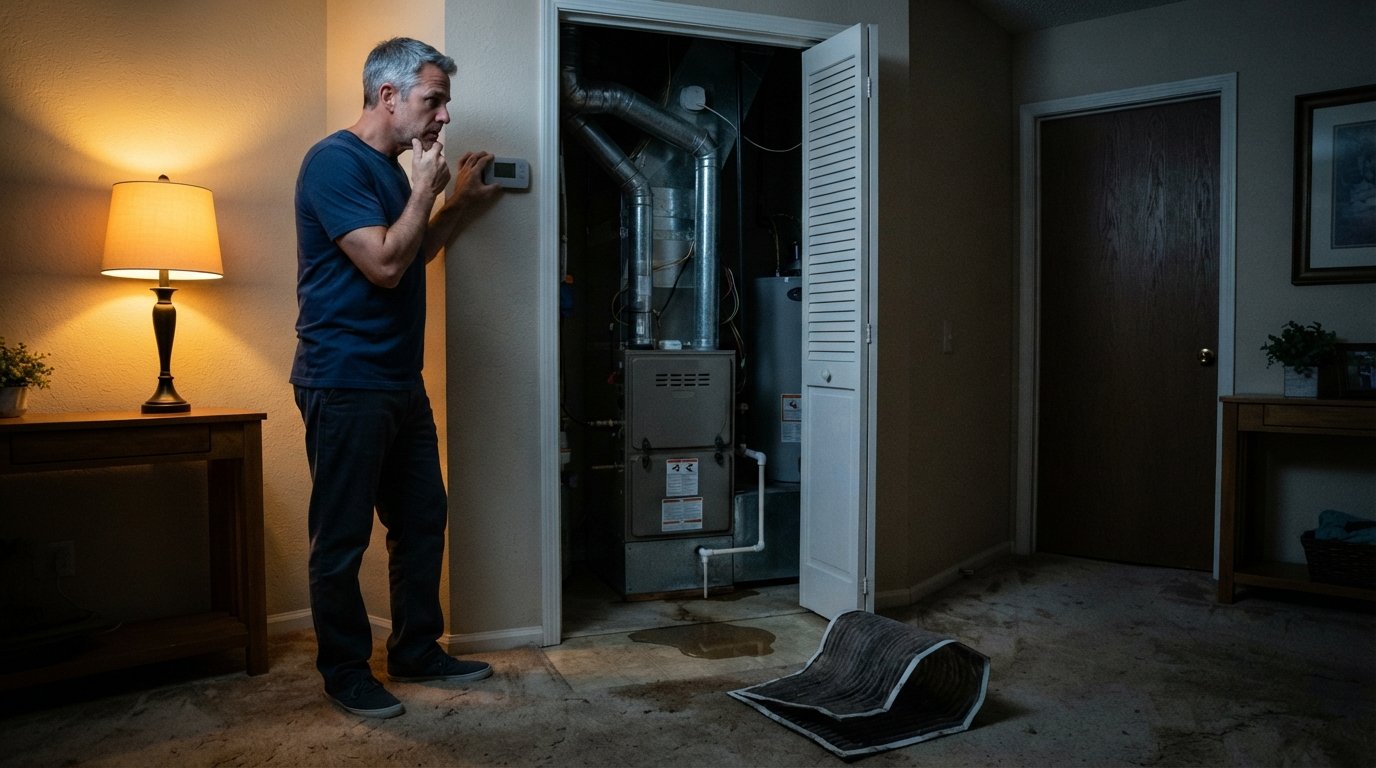
Common HVAC Problems and When to Call a Professional
Spot common HVAC problems early and know exactly when to call a pro. Avoid surprise repair bills with this practical homeowner guide.

By Elena John
Learn more about Heating System Repair or Maintenance for guides, costs, and what to expect.
Compare Heating System Repair or Maintenance Pros Near You

Enter your ZIP code to compare top-rated local professionals and request free quotes.
A furnace that roars to life at 2 a.m. but never warms the bedroom. An air conditioner that drips water down the hallway wall in July. A thermostat that insists the house is 72 degrees when your breath is visible in the kitchen. Every homeowner eventually meets one of these headaches, and the first question is almost always the same: is this a quick fix or a job for a licensed technician? Understanding the most common HVAC problems, what causes them, and where the line sits between a DIY tweak and a professional repair saves you money, protects your equipment warranty, and keeps your family comfortable when the weather turns brutal.
Heating, ventilation, and air conditioning systems are the hardest-working appliances in your home. They run for thousands of hours a year, cycle on and off dozens of times a day, and quietly move hundreds of cubic feet of air per minute through ducts, coils, and filters. That workload creates predictable failure points. Knowing those failure points helps you diagnose symptoms early, decide whether to pick up a screwdriver or a phone, and avoid the trap of pouring money into a system that is simply nearing the end of its service life.
Why HVAC Systems Fail in the First Place
Most HVAC breakdowns are not sudden acts of nature. They are the result of wear, neglect, or installation mistakes that compound over months and years. A system that never receives annual maintenance loses efficiency gradually, and the homeowner often does not notice until a compressor burns out or a heat exchanger cracks. According to industry data, a well-maintained system can last 15 to 20 years, while a neglected one may struggle past its tenth birthday.
The most common root causes fall into a handful of buckets. Dirty filters restrict airflow and force the blower motor to work harder. Refrigerant leaks slowly starve the system of the charge it needs to cool. Electrical components like capacitors and contactors wear out from constant cycling. Ductwork develops leaks and disconnections that waste conditioned air in attics and crawlspaces. And thermostat calibration drifts, causing the system to short-cycle or run continuously.
Understanding these root causes matters because the symptom you notice (a warm house, a strange noise, a spike in the utility bill) rarely points directly at the failed part. That is why a trained technician uses gauges, multimeters, and thermal imaging rather than guesswork. It is also why some problems that look identical on the surface have very different price tags, which is exactly where a free quote from a vetted local contractor can protect your wallet.
The Most Common HVAC Problems Homeowners Face
Certain complaints show up again and again in service calls across every climate zone. Recognizing them early gives you a head start on the repair and helps you describe the issue accurately when you call for help. Here are the big ones, along with what typically causes them and what a reasonable response looks like.
- Weak or uneven airflow: Some rooms never get comfortable, or the vents barely push air. Clogged filters, closed dampers, crushed flex duct, and a failing blower motor are the usual suspects.
- Insufficient cooling or heating: The system runs constantly but never reaches the setpoint. Low refrigerant, a dirty condenser coil, or an undersized unit are common causes.
- Strange noises: Banging, screeching, rattling, or grinding sounds almost always indicate a mechanical problem such as a loose blower wheel, a failing bearing, or debris in the outdoor unit.
- Water leaks and pooling: A clogged condensate drain line, a frozen evaporator coil, or a cracked drain pan can send water into ceilings and floors.
- Frequent cycling (short cycling): The system turns on and off every few minutes, which wears out the compressor and drives up energy bills.
- Foul odors: Musty smells suggest mold in the ducts or drain pan, while a burning smell can indicate an electrical problem or overheated motor.
- Thermostat problems: Blank screens, unresponsive buttons, or readings that do not match reality often point to wiring, battery, or calibration issues.
Each of these symptoms can range from trivial to serious depending on the underlying cause. A weak airflow complaint caused by a clogged filter is a five-minute fix. The same complaint caused by a failing blower motor is a several-hundred-dollar repair. That is why diagnosis, not guesswork, determines the real cost of any HVAC problem.
DIY Fixes That Are Actually Safe to Try
Not every HVAC issue requires a service call, and knowing which ones you can handle yourself keeps small problems from becoming expensive ones. Before you dial a technician, work through a short checklist of safe, homeowner-friendly steps. These cover the majority of nuisance calls and cost nothing but a few minutes of your time.
- Replace or clean the air filter. A clogged filter is the single most common cause of weak airflow and frozen coils. Check it monthly during peak season and swap it every one to three months.
- Check the thermostat settings and batteries. Make sure the system is set to COOL or HEAT (not FAN), the temperature is below or above the room reading as appropriate, and the batteries are fresh.
- Verify the breaker and the service switch. A tripped breaker or an accidentally flipped service switch near the indoor or outdoor unit will shut the system down completely.
- Clear the outdoor condenser unit. Remove leaves, grass clippings, and debris from around the unit, and hose off the fins gently from the inside out.
- Open and inspect the vents and dampers. Closed registers in unused rooms, or dampers that were adjusted for a different season, can create the illusion of a broken system.
If these steps resolve the problem, you just saved yourself a service call. If they do not, you have narrowed the possibilities and can describe exactly what you tried, which helps the technician arrive prepared. Never open the refrigerant circuit, bypass safety switches, or handle electrical components inside the cabinet. Those tasks belong to licensed professionals with the tools and insurance to do them safely.
Red Flags: When You Should Call a Professional Immediately
Some symptoms are not inconveniences; they are safety hazards or signs of imminent catastrophic failure. Ignoring them can void your warranty, damage your home, or put your family at risk. Treat the following situations as same-day emergencies and shut the system down until a technician arrives.
The most serious is any smell of gas or combustion byproducts around a furnace, water heater, or gas-pack unit. If you smell rotten eggs or sulfur, leave the house immediately and call your gas utility from outside. Carbon monoxide is odorless but deadly, which is why every home with gas appliances should have working CO detectors on every level.
Other red flags include sparking, burning smells, or visible smoke from the indoor or outdoor unit; water pouring through a ceiling below an air handler; a compressor that trips the breaker every time it starts; and a heat pump that blows cold air in heating mode. These conditions point to electrical faults, refrigerant loss, or mechanical failure that will only get worse with continued operation.
If you are unsure whether a symptom qualifies as an emergency, err on the side of caution. A reputable contractor will walk you through the situation over the phone and tell you whether to shut the system down. For homeowners who want a fast, no-pressure way to line up vetted local pros, platforms like Repairmen connect you with licensed technicians across the country for appliance repair, maintenance, and emergency HVAC work, so you are not stuck guessing during a heat wave or a cold snap.
How to Tell Whether a Repair Is Worth It
Once a technician diagnoses the problem, you face the classic repair-or-replace decision. The rule of thumb most contractors use is the $5,000 threshold: if the repair costs more than 50 percent of the price of a new system and the unit is more than 10 years old, replacement usually makes more financial sense. A $400 capacitor replacement on a 6-year-old unit, by contrast, is almost always worth doing.
Several factors tilt the math. Older systems use R-22 refrigerant, which is phased out and increasingly expensive to recharge, so a refrigerant leak on an old unit is often a death sentence. Modern high-efficiency systems can cut energy bills by 20 to 40 percent, which shortens the payback period on replacement. And a system that has needed three or more repairs in the past two years is telling you something about its remaining life.
If you are weighing a major repair against replacement, gathering multiple quotes is the smartest move you can make. It gives you a realistic picture of local pricing, lets you compare equipment options side by side, and protects you from being pressured into a decision on the spot. If you are planning related upgrades at the same time, our guide to hiring a professional wall painting contractor covers how to vet bids and compare estimates, and the same principles apply to HVAC work.
Preventive Maintenance: The Cheapest Repair You Will Ever Buy
The single best way to avoid emergency HVAC calls is a twice-a-year maintenance plan, once in spring for the cooling season and once in fall for heating. A professional tune-up typically includes cleaning the coils and drain line, checking refrigerant charge, testing capacitors and contactors, lubricating moving parts, tightening electrical connections, and verifying airflow. The cost is a fraction of a major repair and often pays for itself in lower utility bills alone.
Between professional visits, homeowners can do a few simple things to extend equipment life. Change filters on schedule, keep two feet of clearance around the outdoor unit, run the fan for a few minutes each month during shoulder seasons to keep components moving, and never block return-air grilles with furniture or rugs. These habits reduce strain on the system and make problems easier to spot before they become failures.
It also helps to keep a simple log of service dates, filter changes, and any repairs. When you eventually sell the home or file a warranty claim, that record is worth real money. Contractors also appreciate the history because it speeds up diagnosis and helps them recommend the right next step.
Finding a Qualified HVAC Professional
When the time comes to hire, credentials matter. Look for technicians who are licensed in your state, carry EPA Section 608 certification to handle refrigerants, and work for a company with liability insurance and a physical local address. Ask about warranties on both parts and labor, and confirm whether the company offers emergency service after hours. A quick check of reviews on Google, BBB, and Angi will reveal patterns that a single glowing testimonial cannot.
Getting multiple quotes is not just about price; it is about comparing diagnostic approaches, equipment recommendations, and warranty terms. A contractor who explains the problem clearly, shows you the failed part, and offers options at different price points is almost always a better long-term partner than the lowest bidder who cannot articulate what went wrong. FreeQuotes.Contractors exists precisely to make that comparison easy: you submit one request, receive competitive bids from pre-vetted local pros, and choose the technician who fits your budget and comfort level.
Do not wait until the system fails on the hottest day of the year to start looking. Building a short list of trusted contractors now means you can act fast when something breaks, and you will already know who to call when the next strange noise or cold draft shows up. Comfort at home should not be a gamble, and with the right information and the right professionals, it does not have to be.