
Emergency Plumbing Repair: What to Do Before the Pro Arrives
Stop water, stay safe, and document damage before your plumber arrives. A calm, prepared homeowner saves thousands in emergency plumbing repair costs.
By Adnan Nazir
Learn more about Emergency Plumbing for guides, costs, and what to expect.
Compare Emergency Plumbing Pros Near You

Enter your ZIP code to compare top-rated local professionals and request free quotes.
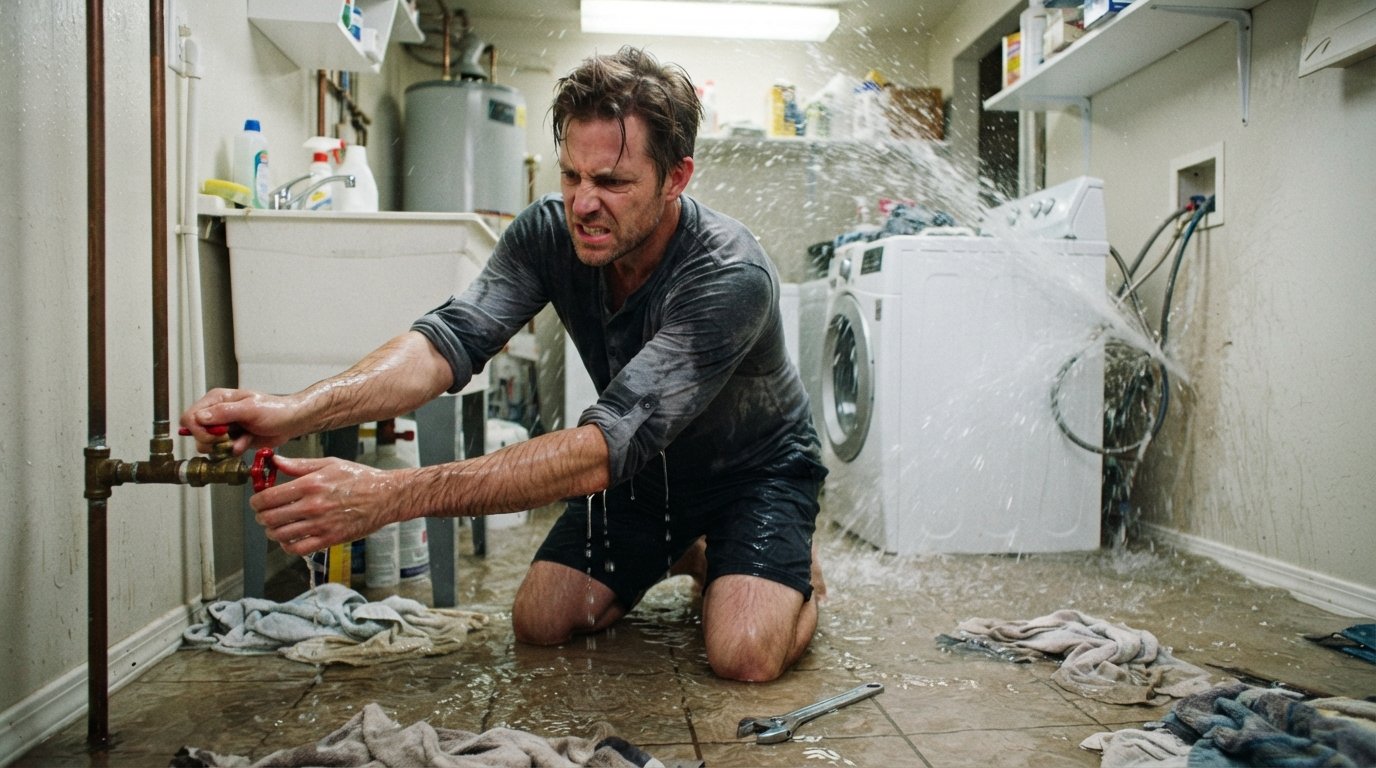
Water is spraying from a supply line behind your washing machine, or the toilet is overflowing and won't stop, or you smell gas near the water heater. In these moments, panic is natural, but the steps you take in the first ten minutes can mean the difference between a minor repair and a five-figure insurance claim. Knowing exactly what to do before a licensed plumber reaches your door protects your home, your belongings, and your wallet. This guide walks you through the critical actions, safety checks, and documentation habits that every homeowner should master, so you can stay calm and act decisively when a plumbing emergency strikes.
Shut Off the Water First, Every Single Time
The single most important action in any plumbing emergency is stopping the flow of water. A burst pipe can release hundreds of gallons per hour, and every minute you delay adds thousands of dollars in potential damage. Your first move is to locate and close the main water shut-off valve. In most homes, this valve sits near the water meter, in a basement, in a utility closet, or outside near the foundation. Turning it clockwise until it stops will halt water to the entire house.
If you can identify the fixture-specific valve (under the sink, behind the toilet, or near the water heater), close that one first to isolate the problem. However, if the leak is from a pipe inside a wall or ceiling, the main valve is your only option. Once the water is off, open a low faucet, like a bathtub tap, to drain remaining pressure from the lines. This reduces dripping and makes cleanup easier.
For homeowners who have never located their main shut-off valve, now is the time to find it, label it, and make sure every adult in the household knows how to operate it. During an emergency, you will not have time to search. Consider attaching a brightly colored tag to the valve handle so it is visible even in a dark, cluttered space.
Safety Comes Before Cleanup: Electrical and Gas Hazards
Water and electricity are a lethal combination. Before you wade into a flooded area, assess whether water has reached electrical outlets, appliances, or your electrical panel. If you can safely reach your home's main circuit breaker without stepping in standing water, turn off the power to affected areas or the entire house. If the panel itself is wet or submerged, do not touch it. Call an electrician or your utility company immediately.
Gas leaks are another serious concern. If you smell rotten eggs or sulfur near a water heater, furnace, or stove, evacuate the house and call your gas company from a safe location. Do not flip light switches, use your phone indoors, or start a vehicle in an attached garage. These actions can create a spark. Once the gas is shut off by a professional, you can return to address the plumbing issue.
Beyond electrical and gas risks, consider slip hazards. Wet floors are treacherous, especially on tile or linoleum. Wear rubber-soled shoes and avoid walking through standing water if you can. If the water is contaminated (from a toilet backup or sewage line), do not attempt to clean it yourself. Sewage contains bacteria and pathogens that require professional remediation.
Contain the Damage and Document Everything
Once the water is off and the area is safe, your next priority is limiting damage to floors, walls, and belongings. Use towels, buckets, and a wet-dry vacuum if you have one to remove standing water. Move furniture, rugs, and electronics away from the wet zone. If water has soaked into drywall or carpet, do not try to dry it with a household fan alone; trapped moisture leads to mold within 24 to 48 hours, and that problem can cost thousands to fix.
Documenting the scene is not just about cleanup; it is about protecting your insurance claim. Before you move or discard anything, take clear photos and videos of the leak, the damaged areas, and any ruined items. Write down the date, time, and a brief description of what happened. This record will be invaluable when you file a claim or negotiate with your insurer.
Here is a quick checklist for the containment and documentation phase:
- Photograph and video: Capture wide shots and close-ups of the source, the water line, and all affected belongings.
- List damaged items: Note brand names, approximate age, and replacement cost for furniture, electronics, and flooring.
- Save receipts: If you buy towels, fans, or dehumidifiers for cleanup, keep every receipt for reimbursement.
- Call your insurer: Report the incident promptly and ask what they need for the claim.
- Do not throw away damaged property: Keep it until the adjuster has seen it or you are told otherwise.
After you have documented everything, you can begin extracting water and setting up fans to dry the area. But remember: if the leak is from a sewage line, or if the water has been sitting for more than a few hours, professional remediation is the safer choice.
When to Call a Pro and How to Prepare
Some plumbing problems are DIY-friendly: a slow drain, a dripping faucet, or a running toilet. But true emergencies, like burst pipes, sewage backups, or no water pressure throughout the house, require a licensed plumber. As soon as you have secured the water and safety, call a professional. While you wait, there are several things you can do to make their job easier and faster.
First, clear a path to the problem area. If the plumber needs to access a crawlspace, basement, or utility closet, move boxes, furniture, and debris out of the way. Second, if you have a cleanout access point, make sure it is visible and unobstructed. Third, gather any relevant information: the age of your plumbing system, the brand of your water heater, and whether you have a septic tank or city sewer. This context helps the plumber diagnose the issue quickly.
If you need help finding a qualified professional fast, you can explore a trusted network of local service experts through Repairmen, a nationwide platform that connects homeowners with vetted, licensed plumbers and other contractors for emergency repairs. Having a reliable contact before an emergency happens is one of the best ways to reduce stress and avoid price gouging from unvetted fly-by-night operators.
When the plumber arrives, be ready to explain what happened: when the leak started, what you did to stop it, and any sounds or smells you noticed. Ask for a written estimate before work begins, and confirm whether the repair is covered by your insurance. If the job requires permits or major excavation, get that in writing too.
Understanding Costs and Avoiding Surprise Bills
Emergency plumbing repairs almost always cost more than scheduled work because they happen outside normal business hours, require immediate dispatch, and often involve urgent, high-risk fixes. According to industry data, after-hours emergency calls can carry a premium of 50 to 150 percent over standard rates. The final bill depends on the type of repair, the parts needed, the accessibility of the pipe, and your geographic location.
To avoid surprise charges, ask the plumber for a detailed breakdown before they start. A reputable professional will provide an estimate that includes the service call fee, labor rate, parts, and any additional charges for after-hours work. If the plumber cannot give you a clear estimate, or if they pressure you to approve work without explanation, consider getting a second opinion (unless the situation is truly urgent).
For non-emergency repairs, it is always wise to compare quotes from multiple contractors. You can request free, no-obligation estimates from pre-vetted local plumbers through a service like FreeQuotes.Contractors, which simplifies the process of finding and comparing professionals. Even in an emergency, knowing the typical cost range for common repairs, like replacing a burst pipe ($500 to $1,500) or repairing a sewer line ($1,000 to $4,000), helps you evaluate whether a quote is fair.
If you are planning a larger plumbing project, such as repiping your home or installing a new water heater, it pays to understand how contractors structure their pricing. Our guide on understanding plumbing repair quotes for your home breaks down the line items you should expect and how to spot hidden fees.
Prevent the Next Emergency with Simple Habits
Once the crisis is over and the plumber has left, take time to prevent the next emergency. A few proactive habits can save you thousands of dollars and hours of stress. Start by scheduling an annual plumbing inspection. A licensed plumber can spot corroded pipes, failing joints, and early signs of leaks before they become disasters. During the inspection, ask them to check your water pressure; excessively high pressure (above 80 psi) stresses pipes and can cause bursts.
Install water leak detectors near your water heater, washing machine, and under sinks. These inexpensive devices sound an alarm or send a smartphone alert when they sense moisture, giving you crucial early warning. Also, consider replacing old rubber supply lines with braided stainless steel lines, which are far more durable and less likely to burst.
Finally, know your home's plumbing anatomy. Locate your main shut-off valve, your water heater's gas or electric shut-off, and your sewer cleanout. Teach every adult in the household how to use them. Keep a basic plumbing emergency kit on hand with towels, a bucket, a wrench, and a flashlight. These small preparations make a huge difference when seconds count.
An emergency plumbing repair is stressful, but it does not have to be catastrophic. By shutting off the water, addressing safety hazards, containing damage, and documenting everything, you take control of the situation before the professional arrives. That preparation not only minimizes damage but also gives you leverage when filing insurance claims and comparing repair quotes. Keep this guide handy, and consider saving a trusted plumber's number in your phone today. When the unexpected happens, you will be ready.