
How to Protect Landscaping During a Home Renovation
Protect your yard from construction damage with these steps. Call (833)-211-1668 for help finding trusted contractors.

By Claire Shaw
Learn more about Home Remodeling for guides, costs, and what to expect.
Compare Home Remodeling Pros Near You

Enter your ZIP code to compare top-rated local professionals and request free quotes.
A home renovation can transform your living space, but the process often leaves a trail of destruction through your yard if you are not careful. From heavy equipment compacting soil to careless crews snapping branches, your carefully cultivated landscaping is at risk. The good news is that with proper planning and clear communication, you can safeguard your trees, shrubs, lawn, and hardscaping without adding stress to your project. This guide walks you through the essential steps to protect your landscaping during a home renovation, from documenting existing conditions to ensuring your contract spells out who pays for damages.
Document Existing Landscaping Before Work Begins
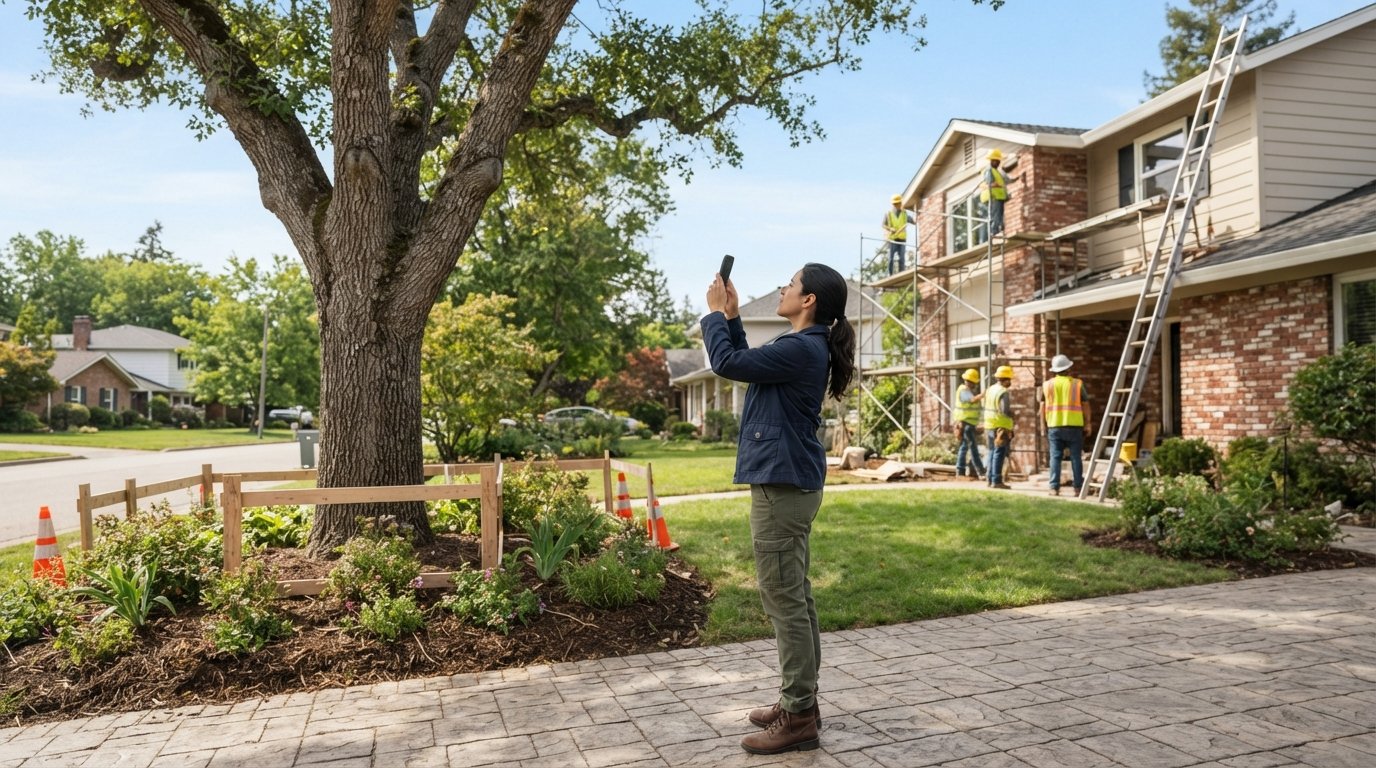
Before the first hammer swings or excavator arrives, take a thorough inventory of your property's landscaping. This step is your best insurance against disputes and unexpected costs. Walk your yard with a camera or smartphone and photograph every tree, shrub, flower bed, irrigation head, and paved surface. Pay special attention to plants near the construction zone, as these are most vulnerable. Date-stamp the photos and store them in a dedicated folder.
Beyond photos, create a simple written log. Note the species and approximate size of each tree, the condition of your lawn, and the location of underground irrigation lines or drainage systems. If you have a sprinkler system, consider having it marked by a professional service before excavation begins. This documentation serves two purposes: it gives you a baseline to assess any damage later, and it signals to contractors that you are paying attention and expect accountability.
Share this inventory with your contractor during the pre-construction walkthrough. A brief, friendly conversation about your landscaping priorities can prevent many problems. For example, point out the mature oak you want to keep and ask how they plan to route foot traffic and equipment around it. This proactive approach sets a collaborative tone and reduces the likelihood of accidental damage.
Set Up Physical Protection Measures
Once you have documented your landscaping, the next step is to install physical barriers that shield vulnerable areas from construction activity. The type of protection you need depends on the scope of your renovation and the layout of your yard. For most projects, a combination of fencing, mulch, and temporary surfaces works well.
Start by defining the construction zone with clear, visible boundaries. Use orange safety fencing or wooden stakes with flagging tape to create a perimeter around the work area. Make sure the fencing extends far enough to protect the critical root zones of trees, which typically extend beyond the drip line. For large trees, a good rule of thumb is to fence off an area at least 1 foot in radius for every inch of trunk diameter. This prevents soil compaction, which is one of the most common and damaging side effects of construction.
For areas where foot traffic or light equipment must pass, lay down temporary protection such as plywood sheets or geotextile fabric covered with mulch. This distributes weight and minimizes soil disturbance. If heavy machinery like excavators or dump trucks will be on site, consider designating a specific access route and reinforcing it with steel plates or gravel. Never allow equipment to drive over tree roots or flower beds, as even a single pass can cause lasting harm.
Irrigation systems require special attention. Before work begins, shut off the water supply and cap any exposed sprinkler heads. If you cannot avoid digging near irrigation lines, have a professional locate and mark them. Similarly, protect paved surfaces like driveways and patios by covering them with thick plywood or rubber mats if heavy materials will be stored or moved nearby. These simple measures can save you thousands in repair costs.
Communicate Clearly with Your Contractor
Even the best physical barriers can fail if your contractor and their crew are not fully on board with your landscaping protection plan. Clear, documented communication is essential. At the start of the project, hold a brief meeting with the site supervisor and key crew members to review your expectations. Hand them a copy of your landscaping inventory and point out the protected zones. Emphasize that these areas are off-limits and explain why (for example, the tree is a heritage specimen or the irrigation system is fragile).
It also helps to designate a single point of contact for landscaping concerns, both on your side and the contractor's side. This person can address issues quickly before they escalate. If you notice a crew member straying into a protected area, speak up immediately but politely. Most contractors appreciate homeowners who are engaged and reasonable, and they will reinforce your instructions with their team.
Consider adding a brief landscaping protection clause to your contract if one is not already included. This clause should outline the specific measures the contractor will take, the penalties for non-compliance, and who is responsible for repairs if damage occurs. Having it in writing protects both parties and ensures everyone is working from the same playbook. For more detailed guidance on budgeting for renovations and avoiding unexpected costs, see our home renovation budget planner.
Address Damage Responsibility in Your Contract
Despite your best efforts, some damage may still occur. That is why your contract should clearly state who pays for landscaping repairs. In most standard construction contracts, the contractor is responsible for damage caused by their crew or equipment. However, without explicit language, disputes can arise. Insert a clause that requires the contractor to restore any damaged landscaping to its original condition or provide compensation for professional repairs.
Be specific about what constitutes damage. For example, include language that covers broken branches, compacted soil, torn irrigation lines, cracked pavement, and killed grass. Also specify the timeline for repairs, such as within 14 days of project completion. If the contractor will be storing materials or parking equipment on your property, clarify that they must use designated areas and protect surfaces accordingly.
If you are hiring multiple subcontractors, make sure the general contractor is ultimately responsible for all crew members and any third-party damage. This avoids finger-pointing and ensures you have a single accountable party. Remember that a well-written contract is your strongest tool for protecting your investment in your landscape. For homeowners in specific regions, such as those looking for pre-vetted local contractors, platforms like Contractor.Homes can help you find professionals who understand local regulations and best practices for landscaping protection.
Protect Trees and Shrubs During Construction
Trees and shrubs are often the most valuable and irreplaceable elements of your landscape. They deserve special attention. Beyond fencing off the root zone, take steps to protect the trunk and canopy. Wrap trunks with burlap or tree wrap to prevent mechanical injury from equipment or materials. For low-hanging branches, prune them back before construction begins if they interfere with the work, but avoid heavy pruning during the growing season if possible.
Water trees deeply before construction starts to help them cope with stress. During the project, monitor soil moisture and water if the area becomes excessively dry, especially if the tree is within the construction zone. Avoid piling soil, gravel, or construction debris against the trunk, as this can smother roots and cause rot. If you must excavate near a tree, consult an arborist to determine safe distances and root protection measures.
Shrubs and flower beds can be protected with temporary fencing or by covering them with breathable fabric. If a bed must be removed temporarily, carefully dig up plants and store them in pots in a shaded area, watering regularly until they can be replanted. This is labor-intensive but worthwhile for prized specimens.
Manage Irrigation and Drainage Systems
Irrigation systems are easily damaged by digging and heavy equipment. Before construction, map out your system and mark all sprinkler heads and lines with flags. Shut off the water and drain the lines to prevent accidental flooding. If the project involves excavation, consider hiring a professional to locate and cap lines in the work zone.
Drainage systems, such as French drains or grading, can also be disrupted. Make sure the contractor understands how water flows across your property and avoids blocking or altering drainage patterns. After construction, test the irrigation system and check for leaks or misaligned heads. Repair any damage promptly to avoid water waste and plant stress.
Plan for Cleanup and Restoration
As the project wraps up, schedule a walkthrough with your contractor to inspect the landscaping. Compare the current condition to your pre-construction photos and note any damage. If repairs are needed, refer to your contract and discuss a timeline. For minor issues like compacted soil, you can aerate and reseed. For larger problems, such as broken irrigation lines or destroyed plants, insist on professional restoration.
Clean up construction debris promptly, as leftover materials can smother grass and attract pests. Rake out gravel or sand that has spilled into beds, and refresh mulch to restore a tidy appearance. If your lawn was damaged, consider overseeding or laying sod in bare spots. With a little care, your landscape can recover quickly.
Finally, consider a post-renovation landscaping refresh as an opportunity to improve your yard's design. You might add new plants or hardscaping that complement your renovated home. For help finding qualified professionals for any landscaping or renovation work, use a service like FreeQuotes.Contractors to request free quotes from local experts.
Protecting your landscaping during a home renovation requires foresight, clear communication, and a bit of diligence. By documenting your yard, setting up barriers, and ensuring your contract covers damage responsibility, you can minimize stress and preserve the outdoor spaces you love. A little preparation goes a long way toward a successful project that enhances both your home and its surroundings.