
Home Improvement Project Management Apps: Contractor Collaboration in 2026
Home improvement project management apps contractor collaboration keeps your renovation on budget and on schedule. Call 8332111668 to find vetted pros near you.

By Elena John
Learn more about Exterior Painting for guides, costs, and what to expect.
Compare Exterior Painting Pros Near You

Enter your ZIP code to compare top-rated local professionals and request free quotes.
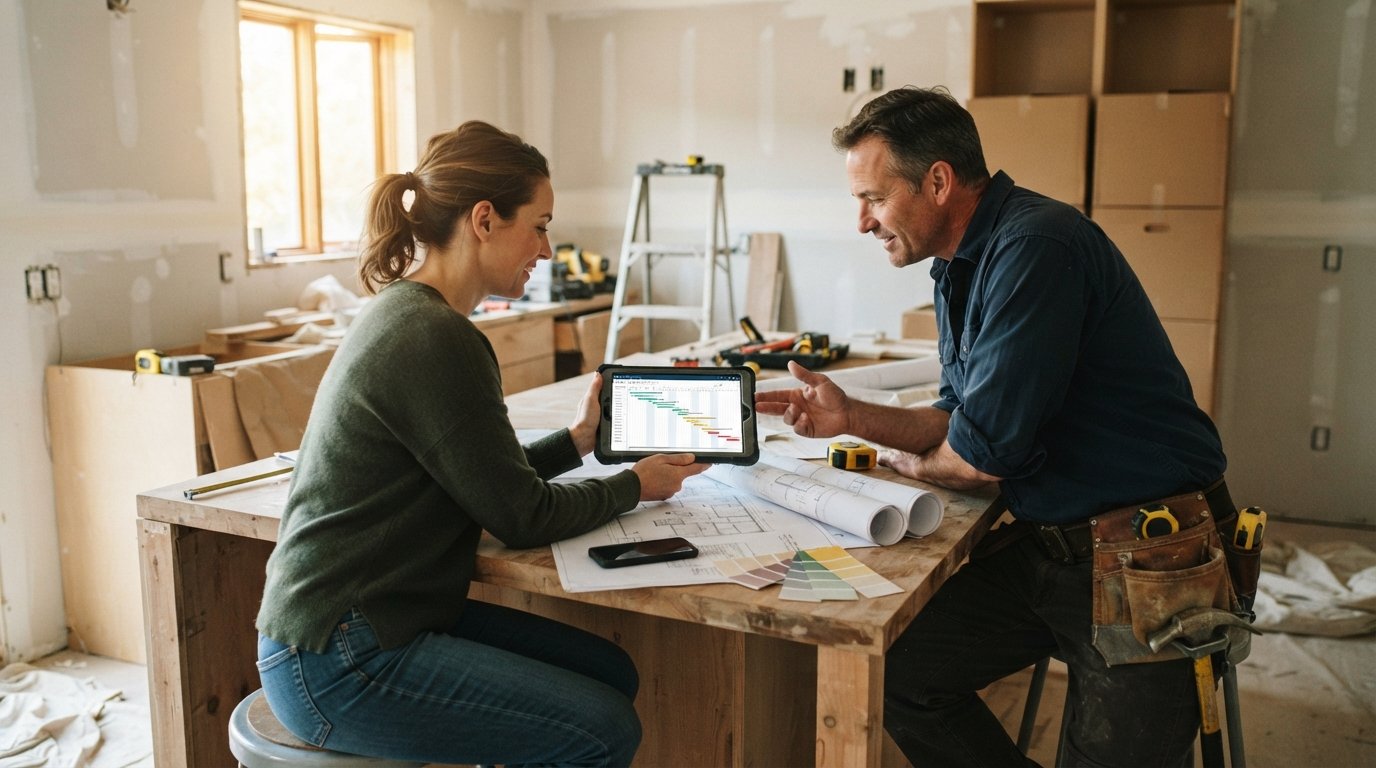
The difference between a renovation that finishes on schedule and one that spirals into months of delays often comes down to a single factor: how well you and your contractor communicate. A kitchen remodel involves dozens of moving parts, from cabinet deliveries to electrical inspections, and one missed update can push the entire timeline back by weeks. Home improvement project management apps contractor collaboration tools solve this problem by giving both parties a shared workspace where schedules, budgets, photos, and approvals live in one place instead of scattered across text threads and email chains.
Homeowners who adopt these platforms report fewer billing surprises and faster decision cycles. The reason is simple: when everyone sees the same information at the same time, finger-pointing disappears and accountability takes over. Whether you are managing a bathroom refresh or a full home addition, understanding how these tools work, and how to use them alongside a trusted professional network, can protect your budget and your sanity.
Why Scattered Communication Derails Home Improvement Projects
Most renovation horror stories do not begin with bad craftsmanship. They begin with a text message that never got answered, a verbal change order that was never documented, or a receipt that vanished into a contractor's truck console. According to industry surveys, miscommunication ranks among the top reasons projects exceed their original budgets. When you rely on informal channels, you create gaps where expectations diverge silently until they become expensive disputes.
The problem compounds as project size grows. A simple faucet replacement might survive on a single text thread. A 400 square foot addition involves framers, electricians, plumbers, HVAC technicians, and inspectors, each of whom needs current drawings and schedule updates. Without a central system, the general contractor becomes a human switchboard, and messages get lost in translation.
Project management apps address this by creating a single source of truth. Every document, photo, and message is timestamped and stored. When a dispute arises about what was agreed, you can scroll back and find the exact conversation. That audit trail is not just convenient; it is a powerful accountability mechanism that keeps both homeowners and contractors honest.
What to Look for in a Contractor Collaboration App
Not every app fits every project. A solo handyman doing a weekend repair has different needs than a design-build firm managing a six-month addition. Before you commit to a platform, evaluate it against the specific demands of your renovation. The best tools strike a balance between power and simplicity, because a contractor juggling multiple job sites will abandon software that feels like a second job to learn.
Here are the core capabilities that matter most for homeowner and contractor collaboration:
- Shared scheduling and milestone tracking: Both parties see the same timeline, with dependencies flagged when one task runs late.
- Document and photo storage: Contracts, permits, receipts, and progress photos organized by room or phase.
- Change order management: A formal process for approving scope changes with cost impacts attached.
- Budget tracking with real-time totals: Actual spend versus estimate, updated as invoices arrive.
- Messaging with notifications: Threaded conversations that keep decisions attached to the right task.
Beyond features, consider adoption friction. If your contractor refuses to use the app, the tool is worthless. Choose a platform with a clean mobile experience and a free or low-cost tier for homeowners, so the professional can participate without a financial commitment. Some apps also offer client portals that let you invite subcontractors or designers as read-only viewers, which keeps everyone informed without cluttering the main workspace.
Integration with accounting software and calendar apps is another differentiator. When invoices sync automatically, you avoid manual data entry and reduce the chance of paying a bill twice. For larger projects, look for Gantt-style views that show how a delayed inspection cascades into painting and flooring schedules.
How Apps Improve Budget and Timeline Control
Budget overruns rarely happen in one dramatic moment. They accumulate through small, unapproved decisions: upgraded tile here, a relocated outlet there, a last-minute fixture swap. Each choice seems minor in isolation, but together they can add 15 to 30 percent to your final bill. A project management app forces these decisions into the open by requiring documented approval before work proceeds.
Timeline control works the same way. When the electrician marks rough-in as complete, the drywall crew receives an automatic notification. If the drywall delivery slips, the app flags the downstream tasks that are now at risk. This visibility lets you and your contractor re-sequence work or bring in extra labor before the delay snowballs.
Consider a real example. A homeowner in Denver hired a contractor for a basement finish. The original schedule allowed two weeks for framing. When an inspection failed due to a missing permit, the app alerted both parties immediately. Instead of waiting for a phone call that might come days later, the contractor pulled the permit online and rescheduled the inspection for the next available slot. The project finished only three days behind schedule rather than three weeks.
To get these benefits, establish ground rules at the start. Agree that all change orders must be submitted through the app, that progress photos are uploaded every Friday, and that budget updates are reviewed together during a weekly check-in. These habits transform the app from a passive record into an active management tool.
Choosing the Right Technology for Your Project Scale
Not every homeowner needs enterprise-grade software. A simple tile repair in a bathroom calls for lightweight tools, while a whole-house renovation demands robust features. Match the technology to the complexity of the work, and avoid paying for capabilities you will never use.
For small repairs under $5,000, a shared cloud folder with a simple checklist may suffice. For medium projects between $5,000 and $50,000, a dedicated app with budget tracking and messaging is worth the setup time. For major renovations above $50,000, look for platforms that support multiple users, role-based permissions, and detailed reporting.
FreeQuotes.Contractors simplifies the first step by connecting you with pre-vetted local professionals who are already familiar with collaborative workflows. Instead of cold-calling contractors and hoping they embrace your preferred app, you can request quotes from pros who understand the value of transparent communication. When you compare home improvement quotes online, you can ask each contractor about their project management preferences before you hire, ensuring a smoother collaboration from day one.
Once you have selected a contractor, set up the app together. Spend 30 minutes walking through the interface, creating the project, and uploading the signed contract. This initial investment pays for itself within the first week by eliminating repeated questions and clarifying expectations.
Best Practices for Contractor Collaboration Through Apps
Technology alone does not guarantee success. The tool is only as good as the habits built around it. Homeowners who get the most from these platforms follow a consistent rhythm of updates, reviews, and documentation. They treat the app as the official record, not a supplement to verbal agreements.
Start by defining communication norms. Decide how often updates should occur and what constitutes an urgent message versus a routine question. A daily photo upload might be overkill for a painting project but essential for a structural renovation. Write these expectations into the contract so both parties are accountable.
Next, use the app's approval workflows religiously. When a change order appears, review it within 24 hours. Delays in approval stall work and frustrate contractors who have crews waiting. If you need more time to decide, communicate that through the app so the contractor can adjust the schedule.
Finally, archive everything. At project closeout, export the entire project history, including photos, messages, and financial records. This archive becomes invaluable if you sell the home and need to demonstrate the quality of work, or if a warranty issue arises years later. For homeowners seeking reliable professionals for ongoing maintenance, platforms like Repairmen offer nationwide directories of vetted service providers who can handle everything from appliance repair to emergency fixes, complementing the project management tools you use for major renovations.
Common Pitfalls and How to Avoid Them
Even with the best intentions, collaboration can go sideways. One frequent mistake is adopting too many tools. If you use one app for messaging, another for photos, and a spreadsheet for budget, you recreate the fragmentation you sought to eliminate. Consolidate into a single platform whenever possible.
Another pitfall is assuming the contractor will manage the app for you. While some professionals take the lead, most appreciate a homeowner who is engaged and responsive. Log in regularly, check for updates, and respond to requests promptly. Your participation sets the tone for the entire project.
Resist the urge to micromanage through the app. Constant notifications and trivial questions erode goodwill. Trust your contractor's expertise and reserve your questions for decisions that genuinely require your input. The goal is partnership, not surveillance.
If a dispute does arise, rely on the app's documentation rather than memory. Screenshots and timestamps carry far more weight than verbal recollections. In extreme cases, this evidence can support mediation or legal action, though most issues resolve quickly when both parties can see the same facts.
The Future of Home Renovation Collaboration
Technology continues to reshape how homeowners and contractors work together. Artificial intelligence is beginning to automate schedule adjustments, flag budget anomalies, and even predict delays based on historical data. Augmented reality tools allow homeowners to visualize finishes before installation, reducing the likelihood of expensive changes later.
As these capabilities mature, the barrier to entry will drop. Apps that once catered to large construction firms are now accessible to individual homeowners at little or no cost. This democratization of project management levels the playing field, giving homeowners the same visibility and control that professionals have enjoyed for years.
The most successful projects will be those where technology amplifies human collaboration rather than replacing it. A handshake still matters, but a shared digital workspace ensures that handshake is backed by clear expectations, documented decisions, and mutual accountability.
Before you break ground on your next renovation, invest an hour in selecting and setting up a project management app. Involve your contractor in the decision, establish clear usage rules, and commit to regular updates. The modest effort upfront will save you thousands of dollars and countless hours of frustration. And when you are ready to find the right professional for the job, start by requesting free quotes from vetted contractors in your area. With the right tool and the right partner, your next home improvement project can finish on time, on budget, and with your sanity intact.