
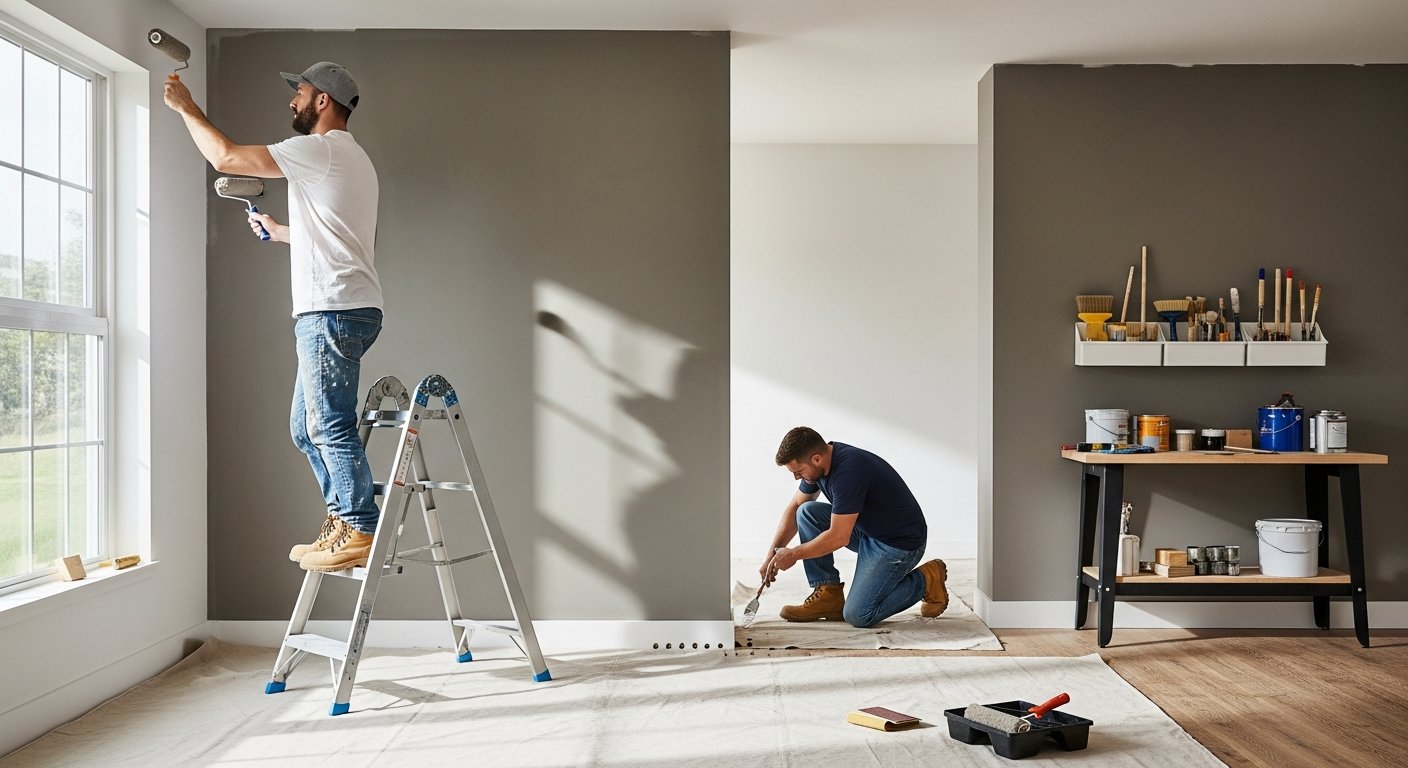
How to Choose Painting Contractors for Your Home
Find and hire trustworthy painting contractors with these expert tips on quotes, vetting, and avoiding costly mistakes.
By Adnan Nazir
Learn more about Interior Painting for guides, costs, and what to expect.
Compare Interior Painting Pros Near You

Enter your ZIP code to compare top-rated local professionals and request free quotes.
When your home's interior or exterior needs a fresh coat of paint, the quality of the final result depends almost entirely on the skill and reliability of the professional you hire. Painting seems like a straightforward task, but it involves surface preparation, product selection, and technique that can make the difference between a stunning finish and a peeling, uneven mess. Many homeowners attempt the work themselves to save money, only to realize that a professional painter brings efficiency, precision, and access to better materials. If you are planning a painting project, the process of finding and vetting painting contractors deserves your full attention.
This guide walks you through the entire process, from understanding what painting contractors do to getting accurate estimates and avoiding common pitfalls. You will learn what questions to ask, what red flags to spot, and how to use a platform like FreeQuotes.Contractors to connect with pre-vetted local professionals. Whether you are refreshing a single bedroom or repainting the entire exterior of a two-story house, the right contractor will save you time, stress, and money in the long run.
What Painting Contractors Actually Do
Painting contractors are not just people with a brush and a ladder. They are skilled tradespeople who manage all aspects of a painting project, from the initial assessment to the final walkthrough. Their work includes repairing cracks and holes, sanding surfaces, priming, applying multiple coats of paint, and cleaning up the job site. They also provide guidance on color selection, finish types, and paint brands that suit your home's specific conditions, such as humidity, sunlight exposure, and the type of siding or drywall.
A professional contractor brings a level of detail that is hard to replicate on your own. They know how to properly tape trim, protect floors and furniture, and ensure straight lines and smooth coverage. They also have commercial-grade equipment, including sprayers and high-quality brushes, that produce a more even finish. Beyond the physical work, they handle the logistics: scheduling, permits if needed, and coordinating with other trades if your project involves carpentry or drywall repair.
When you hire a painting contractor, you are paying for their expertise, their time, and their accountability. A reputable contractor will stand behind their work with a warranty, and they carry insurance to protect you from liability if an accident occurs on your property. This level of professionalism is why most homeowners choose to hire a contractor rather than tackle the job themselves, especially for large or complex projects.
Types of Painting Projects
Painting contractors handle a wide range of projects, and understanding the differences helps you communicate your needs clearly. The most common categories are interior painting, exterior painting, and specialty finishes. Each type has its own set of considerations, from surface preparation to paint selection.
Interior Painting
Interior painting focuses on the walls, ceilings, and trim inside your home. Contractors will assess the condition of your drywall, remove any loose paint, patch holes, and apply primer before the final coats. They also protect your furniture, floors, and fixtures with drop cloths and tape. The choice of paint finish, whether flat, eggshell, satin, or semi-gloss, affects both the look and the durability, and a good contractor will help you choose the right one for each room.
Exterior Painting
Exterior painting is more complex because it involves weather exposure, different surface materials like wood, stucco, or brick, and the need for proper preparation to ensure the paint adheres and lasts. Contractors will power wash the surfaces, scrape away old paint, repair any rot or damage, and apply primer and paint designed for outdoor use. They also take safety precautions when working on ladders or scaffolding, and they schedule the work around weather conditions to avoid painting in rain or extreme temperatures.
Specialty Finishes and Services
Some contractors offer specialty services like faux finishes, textured walls, cabinet painting, or deck staining. These require additional skill and experience, so it is important to confirm that your contractor has a portfolio of similar projects. If you are painting kitchen cabinets, for example, the process involves degreasing, sanding, and using a sprayer for a smooth, factory-like finish. Not every painter has the equipment or patience for this type of work, so be specific about your needs when requesting quotes.
How to Find Painting Contractors
Finding the right painting contractor starts with knowing where to look and what to look for. Word-of-mouth recommendations from friends and family are valuable, but you should also take advantage of online resources that vet professionals for you. Platforms like FreeQuotes.Contractors connect you with pre-vetted local contractors, which saves you time and reduces the risk of hiring an unqualified individual.
When you use a quote service, you submit your project details once, and multiple contractors in your area can respond with estimates. This allows you to compare prices, services, and professionalism without making dozens of phone calls. You can also read reviews, check licenses, and verify insurance through these platforms, which adds an extra layer of security.
Here are key steps to follow when looking for painting contractors:
- Ask for referrals from neighbors, friends, or your local hardware store, and follow up on those leads.
- Use online directories and quote platforms to get a list of contractors who serve your area.
- Check each contractor's website or online profile for photos of past work, testimonials, and years in business.
- Verify that they are licensed and insured, and ask for proof of insurance before any work begins.
- Read reviews on Google, Yelp, or the Better Business Bureau to gauge customer satisfaction.
After you have a shortlist of three to five contractors, reach out to each one and request a detailed estimate. The way they respond to your inquiry, whether they ask questions about your project and show up on time for an in-person assessment, tells you a lot about their professionalism.
What to Look for in a Painting Contractor
Not all painting contractors are created equal, and the cheapest bid is not always the best choice. Experience, reputation, and communication skills are just as important as price. When you meet with a contractor, pay attention to how they talk about the project. A professional will ask about your goals, inspect the surfaces, and offer suggestions about products and colors. They should also be transparent about the timeline, the number of coats, and what is included in the quote.
One of the most important factors is the contract itself. A written estimate should include the scope of work, the specific paint brands and colors, the number of coats, the start and completion dates, and the total cost. It should also outline the payment schedule, which typically involves a deposit upfront and the balance upon completion. If a contractor asks for full payment before starting, that is a red flag. Similarly, be cautious if they demand cash or refuse to provide a written contract.
Insurance is non-negotiable. At a minimum, the contractor should have general liability insurance and workers' compensation coverage. This protects you if a worker is injured on your property or if the paint job causes damage to your home. Ask to see their certificate of insurance and verify that it is current. You can also check their license with your state's contractor licensing board.
Getting Accurate Quotes from Painting Contractors
The cost of a painting project varies widely based on the size of the area, the condition of the surfaces, the type of paint, and your location. On average, interior painting costs between $2 and $6 per square foot, while exterior painting ranges from $1.50 to $4 per square foot. However, these are just ballpark figures. The only way to get an accurate price is to have contractors assess your home in person.
When you request quotes, be as specific as possible. Describe the rooms you want painted, mention any repairs or preparation that might be needed, and ask about the quality of the paint they plan to use. A lower quote might be tempting, but it could mean thinner paint, fewer coats, or shortcuts in preparation. Ask each contractor to provide a detailed breakdown of costs, including labor, materials, and any additional fees.
FreeQuotes.Contractors simplifies this process by allowing you to submit your project details once and receive multiple quotes from local professionals. This not only saves you time but also gives you leverage when negotiating. You can compare the estimates side by side and ask each contractor to match or beat the best price. Just remember that the cheapest option is not always the best value. A slightly higher quote may include better materials, a longer warranty, or a more experienced crew.
Questions to Ask Before Hiring
Before you sign a contract, schedule a conversation with each candidate and ask direct questions. Here are some of the most important ones:
- How many years have you been in business, and do you have a portfolio of similar projects?
- Are you licensed and insured? Can you provide proof of both?
- What is your process for surface preparation, and how many coats of primer and paint will you apply?
- Do you use a written contract, and what is your payment schedule?
- What is your timeline for this project, and how do you handle unexpected issues?
- Do you offer a warranty on your work, and what does it cover?
The answers to these questions will reveal a lot about the contractor's professionalism and reliability. A confident, experienced contractor will have clear answers and may even offer suggestions you had not considered. If a contractor is vague, evasive, or unwilling to provide references, move on to the next candidate.
Red Flags to Avoid
While most painting contractors are honest and skilled, there are always a few bad apples. Watch out for these warning signs:
- Too-good-to-be-true pricing that is significantly lower than other quotes.
- Requests for full payment upfront or payment in cash only.
- No physical business address or only a P.O. box.
- Reluctance to provide references or a written contract.
- Pressure tactics, such as offering a discount if you sign immediately.
If you encounter any of these red flags, trust your instincts and look elsewhere. The cost of hiring an unqualified contractor can be much higher than the money you save on the initial bid. Poor workmanship may require expensive repairs, and you could be left with no recourse if the contractor disappears.
Preparing for the Painting Day
Once you have selected a contractor and signed the contract, there are a few steps you can take to ensure the project goes smoothly. Clear the rooms of furniture or consolidate items to one area, and remove wall hangings and curtains. If the work is exterior, move vehicles and outdoor furniture away from the house. The contractor will handle the rest, but your cooperation makes the job faster and easier.
Before the painters arrive, confirm the start date and discuss any access issues, such as pets or children in the home. If you have specific concerns about odors or ventilation, mention them in advance. A professional contractor will appreciate your communication and will work with you to minimize disruptions.
Final Walkthrough and Payment
After the painting is complete, do a thorough walkthrough with the contractor before making the final payment. Inspect the work in natural light and check for missed spots, uneven coverage, drips, or paint on trim. If you notice any issues, point them out and give the contractor a chance to fix them. Most contractors include a touch-up period in their warranty, so you can request small corrections after the job is done.
Make the final payment only when you are satisfied with the work. Use a check or credit card, and keep a copy of the contract and any receipts. If the contractor offers a warranty, get the details in writing, including the duration and what is covered. This documentation will be invaluable if you need to make a claim later.
Hiring painting contractors is a significant decision, but with the right approach, you can find a professional who delivers a beautiful, long-lasting finish. By doing your research, asking the right questions, and using a reliable platform like FreeQuotes.Contractors to get free, competitive quotes, you can protect your investment and enjoy your newly painted home with confidence.
Learn more about Interior Painting for guides, costs, and what to expect.
Compare Interior Painting Pros Near You
Enter your ZIP code to compare top-rated local professionals and request free quotes.