
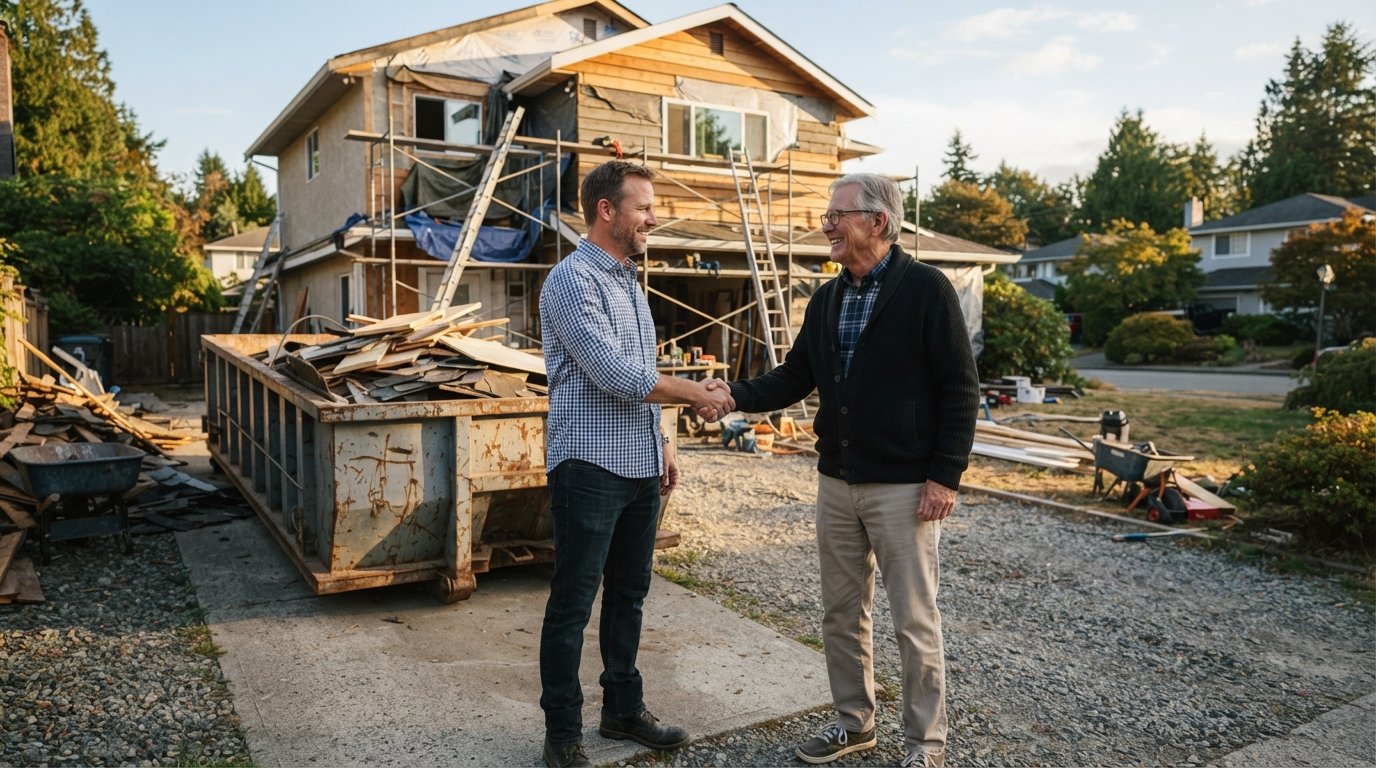
How to Handle Neighbor Concerns During a Home Renovation
Handle neighbor concerns during a home renovation with proactive communication and respect. Call 8332111668 for contractor guidance.

By Ethan Turner
Learn more about Home Remodeling for guides, costs, and what to expect.
Compare Home Remodeling Pros Near You

Enter your ZIP code to compare top-rated local professionals and request free quotes.
The moment a dumpster lands in your driveway and the first hammer swings, your renovation stops being a private project. It becomes a shared experience with everyone on your block. Noise travels through walls, dust drifts into open windows, and delivery trucks block narrow streets. Most neighbors want to be supportive, but they also want to protect their peace, their property, and their routines. Learning how to handle neighbor concerns during a home renovation before problems escalate is one of the smartest moves you can make, and it costs far less than a ruined relationship or a formal complaint.
This guide walks you through a practical, step-by-step approach: how to announce your project early, how to communicate during construction, how to resolve disputes if they arise, and how to protect yourself legally. Whether you are adding a second story, remodeling a kitchen, or replacing a roof, the same principles apply. A little preparation and empathy go a long way toward keeping the peace while your project moves forward.
Why Neighbor Concerns Matter More Than You Think
Renovations are disruptive by nature. They generate noise, traffic, debris, and sometimes visual changes that affect the character of a street. Even a well-managed project can create friction if neighbors feel surprised or ignored. According to common homeowner disputes, issues often start small: a contractor parks in the wrong spot, a generator runs too early, or a fence line gets bumped. Left unaddressed, these minor annoyances can snowball into complaints to the city, delays, and even legal action.
Beyond avoiding conflict, good neighbor relations have tangible benefits. Neighbors who understand your timeline are more likely to tolerate temporary inconveniences. They may even help by keeping an eye on deliveries or alerting you to problems when you are not home. In some cases, they can offer useful information about local contractors, permit rules, or inspection quirks. Treating them as stakeholders rather than obstacles turns potential critics into allies.
There is also a financial angle. If a neighbor files a formal complaint with your homeowners association or local building department, you could face fines, stop-work orders, or required modifications. Those costs add up quickly and can derail your budget. In our guide on Home Renovation Budget Planner: A Practical Guide for Homeowners, we explain how to build a realistic budget that accounts for unexpected expenses, including the possibility of addressing neighbor-related issues. Planning ahead for communication is just as important as planning for materials.
Before Construction: Set the Stage for Good Will
Prevention is the most effective strategy. Long before the first crew arrives, you can lay the groundwork for a smooth project by informing and involving your neighbors. This does not mean asking permission, but it does mean showing respect. A brief conversation or a friendly letter can prevent misunderstandings and demonstrate that you care about their experience.
Start by identifying who will be most affected. Directly adjacent neighbors, those across the street, and anyone with a shared driveway or fence line should be at the top of your list. If you live in a condo or HOA, review the rules first; some communities require formal notice or approval for renovations. Once you know the requirements, craft a simple announcement that covers the key details.
Here are the essential elements to include in your pre-renovation communication:
- Project scope and timeline: Briefly describe what you are doing (for example, kitchen remodel, roof replacement) and the expected start and end dates.
- Work hours: State when contractors will be on site, typically between 7 a.m. and 6 p.m. on weekdays, and whether weekend work is planned.
- Potential impacts: Mention noise, dust, parking changes, or temporary utility shutoffs.
- Your contact information: Provide a phone number or email where neighbors can reach you with questions or concerns.
- Alternative arrangements: If you are offering to help with parking or noise mitigation, say so.
Deliver this message in person if possible, or leave a printed letter at each door. A face-to-face chat is more personal and gives neighbors a chance to ask questions immediately. If you are not comfortable knocking on doors, a well-written letter works almost as well. The goal is to eliminate surprises and show that you are approachable.
It also helps to meet with your general contractor before sending the notice so you can accurately describe the schedule and any special equipment. Ask the contractor to brief the crew on neighbor-friendly practices: no loud music, no idling trucks early in the morning, and no blocking driveways. When the crew understands that you value the neighborhood, they are more likely to act accordingly.
During Construction: Keep Communication Open
Once work begins, your communication should not stop. Renovations are dynamic; schedules shift, unexpected issues arise, and new equipment may appear. Keeping neighbors in the loop with periodic updates prevents rumors and reduces anxiety. A simple text message or a quick note on the front door can be enough.
If your project will last more than a few weeks, consider sending a mid-project update. Let neighbors know what phase you are in, whether any particularly noisy work is coming up (such as jackhammering or roof tearing), and if there are any changes to the timeline. If a delay occurs, share that too. People are far more forgiving when they understand the reason behind a disruption.
When a neighbor raises a concern during construction, respond promptly and calmly. Even if you disagree, acknowledge their frustration and ask what would help. Often, a small adjustment, like moving a delivery zone or rescheduling a noisy task, can resolve the issue. If the concern is about damage, such as a cracked driveway or a broken fence, document it immediately with photos and discuss repairs with your contractor. Your contractor's liability insurance may cover such incidents, but only if reported quickly.
It is also wise to keep a log of all communications. Note the date, time, and nature of any complaints or requests, along with your response. This record can be invaluable if a dispute escalates later. It shows that you acted in good faith and tried to address concerns.
Common Neighbor Concerns and How to Address Them
Most renovation complaints fall into a few predictable categories. Knowing them in advance helps you prepare effective responses. Here are the most frequent issues and practical solutions for each.
Noise and Vibration
Noise is the number one complaint. Hammering, sawing, and heavy machinery can disrupt sleep, work-from-home calls, and quiet enjoyment. To minimize impact, enforce strict work hours that align with local noise ordinances. Provide neighbors with earplugs or offer to fund a white noise machine if the disruption is severe. If you have flexibility, schedule the loudest tasks for mid-morning or early afternoon when fewer people are resting. For long projects, consider renting quieter equipment or using sound barriers around the work zone.
Parking and Traffic
Construction vehicles, dumpsters, and material deliveries can clog streets and block driveways. Before work starts, map out a parking plan. Ask your contractor to instruct crews to park in designated areas and never block a neighbor's driveway, even briefly. If a delivery requires a temporary street closure, coordinate with your local department of transportation and notify neighbors in advance. For narrow streets, consider having materials staged on your property rather than on the road.
Dust, Debris, and Property Damage
Dust from demolition or roofing can coat cars, plants, and outdoor furniture. Debris may blow into neighboring yards. To mitigate this, ask your contractor to use dust screens, cover vulnerable areas, and clean the site daily. If damage does occur, such as a fallen branch or a paint splatter, take responsibility and arrange repairs quickly. Your contractor's insurance should cover accidental damage, but your prompt action preserves goodwill.
Privacy and Visual Impact
Additions or second-story projects can overlook a neighbor's yard, creating privacy concerns. If your project will change sight lines, discuss solutions like planting trees, installing frosted windows, or adjusting the design. Sometimes a small change, such as shifting a window, can alleviate a neighbor's discomfort. Being open to compromise shows that you value their comfort.
Utility Shutoffs and Access
Occasionally, renovations require temporary shutoffs of water or power that affect adjacent properties. If you need access to a neighbor's property for scaffolding or repairs, ask permission well in advance and offer to compensate for any inconvenience. Never assume you have the right to enter their yard without explicit consent.
When Concerns Escalate: Mediation and Legal Steps
Despite your best efforts, some disputes may not resolve through friendly conversation. If a neighbor remains upset or files a complaint, stay calm and professional. Avoid escalating with anger or retaliation. Instead, try a more structured approach.
First, consider mediation. Many communities offer free or low-cost mediation services for neighbor disputes. A neutral third party can help both sides feel heard and find common ground. If mediation fails, review your local ordinances and HOA rules to ensure you are in compliance. Sometimes a simple fix, like adjusting work hours or adding a privacy fence, can satisfy the neighbor and avoid further action.
If a neighbor threatens legal action, consult an attorney who specializes in real estate or construction law. Document everything: your pre-project notices, communication logs, photos, and any permits. A lawyer can advise you on your rights and help you respond appropriately. In rare cases, you may need to seek a court order or defend against one, but most disputes never reach that stage.
Remember that your contractor can be a valuable ally. They have likely dealt with neighbor issues before and can offer practical solutions. If a complaint is about construction practices, your contractor may be able to adjust methods to reduce impact. However, ultimately, maintaining a good relationship with your neighbors is your responsibility as the homeowner.
After the Project: Repair Relationships and Celebrate
Once the dust settles, take time to thank your neighbors for their patience. A small gesture, such as a handwritten note, a plate of cookies, or a bottle of wine, can go a long way toward rebuilding goodwill. If any damage occurred, ensure all repairs are completed to their satisfaction. A final walkthrough with affected neighbors can confirm that everything is back to normal.
If your renovation added value or improved the look of the street, neighbors may even appreciate the upgrade. Invite them to see the finished space if appropriate. A positive ending can transform a potentially strained relationship into a stronger one.
For future projects, you will have a playbook for communication. The effort you put into managing neighbor concerns during this renovation will pay off in smoother interactions next time. And if you need to find reliable contractors for your next job, consider using a platform like Repairmen that connects homeowners with vetted local professionals. Their network covers everything from emergency repairs to full remodels, making it easier to hire trustworthy help.
Handling neighbor concerns during a home renovation is not about avoiding conflict at all costs. It is about being considerate, proactive, and transparent. When you treat your neighbors as partners in the process, you protect your project timeline, your budget, and your community relationships. A little empathy today prevents a lot of headaches tomorrow.