
When to Hire a Plumber vs DIY Fixes: 2026 Guide
Learn when to hire a plumber vs DIY fixes with this practical guide, and save money by knowing which repairs are safe to tackle yourself.
By Adnan Nazir
Learn more about Emergency Plumbing for guides, costs, and what to expect.
Compare Emergency Plumbing Pros Near You

Enter your ZIP code to compare top-rated local professionals and request free quotes.
That dripping faucet keeps you awake at night, and the water heater is making odd noises again. You grab a wrench, watch a tutorial, and feel ready to fix it yourself. But then you wonder: is this a simple repair or a costly mistake waiting to happen? Knowing when to hire a plumber vs DIY fixes can save you hundreds of dollars, protect your home from water damage, and keep your family safe. The truth is, some plumbing tasks are perfect for a confident homeowner, while others require a licensed professional. This guide breaks down the decision-making process so you can tackle small jobs with confidence and call in an expert before a minor issue becomes a major expense.
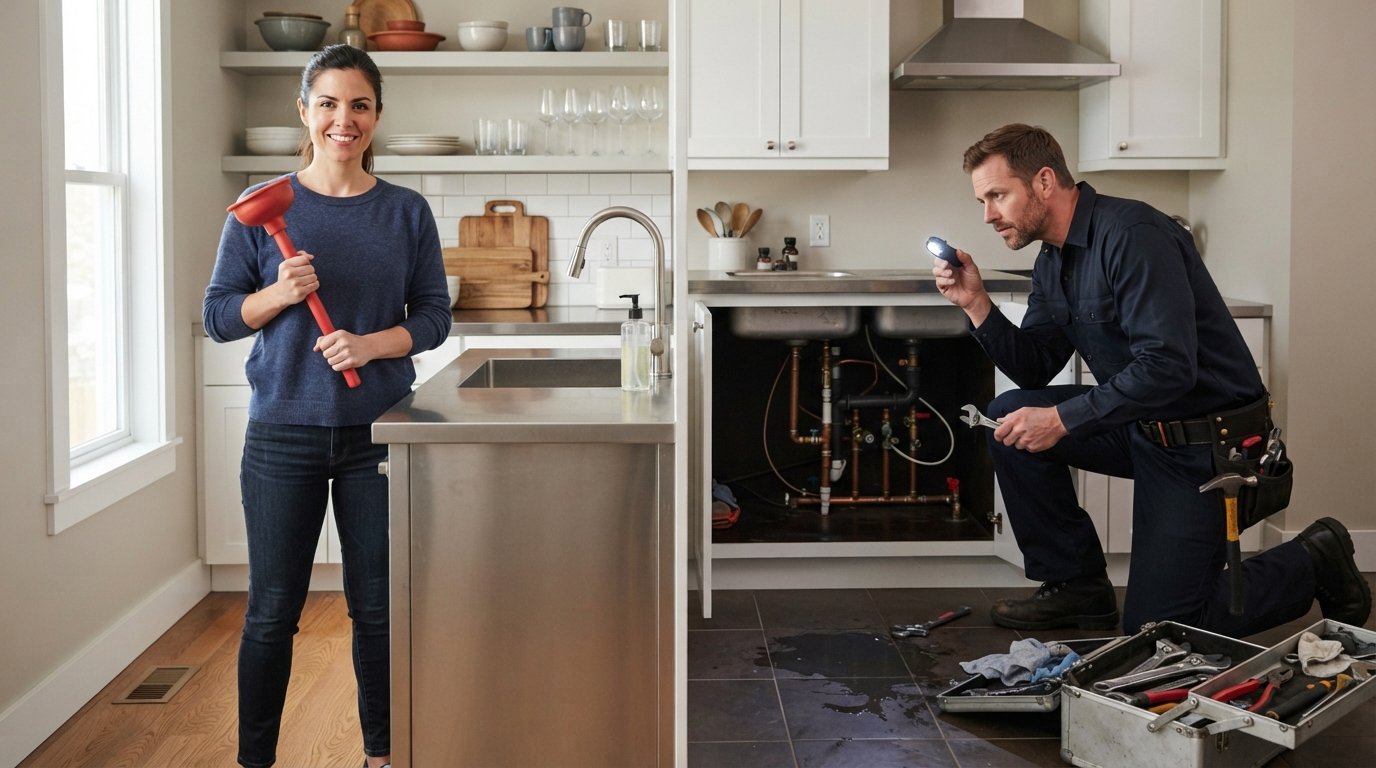
Plumbing systems are complex, and a small error can lead to leaks, mold, or even structural damage. The average homeowner faces this dilemma at least once a year. By understanding the risks, costs, and your own skill level, you can make a smart choice. In this article, you will learn the key factors to consider, a list of DIY-friendly repairs, a list of jobs that demand a pro, and practical steps to take when you decide to hire help. By the end, you will know exactly when to pick up a plunger and when to pick up the phone.
What to Consider Before You Start Any Plumbing Repair
Before you turn off the water supply or open your toolbox, take a moment to evaluate the situation. The first question is always about safety. If you smell gas, see standing water near electrical outlets, or suspect a sewer line issue, do not attempt a DIY fix. These situations require immediate professional intervention. Next, consider the complexity of the repair. A leaky faucet might involve replacing a washer or cartridge, which is fairly simple. However, a slab leak or a repiping project involves cutting into walls or concrete, which is beyond most homeowners' abilities.
Your local building codes also matter. Some jurisdictions require a licensed plumber for any work that involves the main water line, gas line, or sewer system. Even if you can do the job, you might violate a code and face fines or difficulty selling your home later. Finally, think about the cost of a mistake. If a DIY repair fails, you might pay for parts twice, plus the cost of a plumber to fix the original problem and the new damage. In many cases, the risk is simply not worth the savings.
Assess Your Skill Level Honestly
Are you comfortable with basic tools like a pipe wrench, a basin wrench, and Teflon tape? Have you successfully completed home projects before, like installing a sink or replacing a showerhead? If you can answer yes to these questions, you can handle minor repairs. But if you have never touched a water line, start with the simplest tasks. For example, replacing a toilet flapper is a beginner-friendly job that takes about 30 minutes. On the other hand, soldering copper pipes or working with a gas line requires specialized skills and safety knowledge. If you feel unsure at any point, that is your signal to call a professional.
DIY-Friendly Plumbing Fixes You Can Handle
Many common plumbing issues are safe and cost-effective to fix yourself. These tasks require minimal tools, have a low risk of causing major damage, and are well-documented in tutorials. Start with these simple repairs to build your confidence:
- Unclogging a drain: Use a plunger, a drain snake, or a mixture of baking soda and vinegar to clear minor clogs in sinks, tubs, or toilets. Avoid chemical drain cleaners, as they can damage pipes over time.
- Replacing a toilet flapper: If your toilet runs constantly, a worn flapper is often the culprit. This is a 30-minute fix that costs under $20.
- Installing a new showerhead: Unscrew the old one, clean the threads, apply plumber's tape, and screw on the new model. It is a quick upgrade that improves water pressure and efficiency.
- Fixing a dripping faucet: Many faucets use a cartridge or washer that can be replaced. Watch a tutorial for your specific brand, and turn off the water supply before you start.
- Replacing a toilet seat: This is purely cosmetic and requires only a screwdriver.
These tasks are perfect for the average homeowner. They save you the cost of a service call, which typically ranges from $75 to $150 just for a plumber to show up. Plus, the sense of accomplishment is a nice bonus. However, even these simple fixes can go wrong if you force a connection or overtighten a fitting. Always follow the instructions carefully, and stop if you encounter unexpected corrosion or unusual parts.
Plumbing Jobs That Require a Licensed Professional
Some plumbing problems are deceptive. They appear simple on the surface but hide serious issues behind walls, under floors, or within the main system. In these cases, hiring a licensed plumber is not just a convenience, it is a necessity. Here are the top situations where you should never attempt a DIY fix:
- Water heater repairs or replacement: Water heaters involve gas lines, electrical connections, and pressure valves. A mistake can cause a gas leak, an explosion, or severe burns. Professional installation also ensures your warranty remains valid.
- Sewer line issues: If you notice multiple drains backing up, gurgling sounds, or sewage odors, your main sewer line may be clogged or damaged. Only a plumber with a camera inspection tool can diagnose the issue safely.
- Leaking pipes inside walls or ceilings: These leaks require cutting into drywall, locating the source, and repairing or replacing the pipe. Without experience, you risk causing more water damage and mold growth.
- Gas line work: Any work on a gas line is extremely dangerous and usually illegal for unlicensed individuals. A tiny leak can lead to carbon monoxide poisoning or an explosion.
- Major repiping or whole-home plumbing changes: This involves shutting off the main water supply, rerouting pipes, and ensuring proper water pressure throughout the house. It is a job for a team with the right tools and permits.
These jobs often require permits and inspections. A licensed plumber has the training, insurance, and knowledge to meet local codes. They also carry liability insurance, so if something goes wrong, you are protected. Attempting these repairs yourself can void your home insurance and lead to thousands of dollars in damage. In fact, many homeowner insurance policies specifically exclude damage caused by improper DIY repairs.
How to Make the Final Decision: Hire a Plumber or DIY
When you face a plumbing issue, run through a quick mental checklist. First, is there a risk of water damage to your home's structure? If yes, hire a pro. Second, does the repair involve the main water supply, gas, or sewer? If yes, hire a pro. Third, do you have the right tools and experience? If not, even a simple repair can turn into a disaster. Finally, consider the cost of the DIY repair versus the cost of hiring a plumber. If the DIY repair requires a $50 tool you will never use again, it might be smarter to call a professional.
Another factor is time. A plumber can fix a leak in an hour, while you might spend an entire weekend researching and fixing it. Your time has value. Also, think about the future. A poorly executed DIY repair might fail in a few months, leading to a callback and more expenses. A professional job often comes with a warranty, so you have peace of mind. If you are still unsure, you can always request a free quote from a local contractor. Many platforms, like Repairmen, connect you with vetted professionals who can provide an estimate. This way, you can compare the cost of hiring a pro against your DIY budget.
For larger projects, such as a bathroom remodel or a whole-home repiping, it is always wise to consult a professional. In our guide on when to hire a general contractor, we explain how a contractor can manage the entire project, coordinate different trades, and ensure the work meets building codes. This is especially important when plumbing is only one part of a bigger renovation.
Steps to Take When You Decide to Hire a Plumber
Once you decide to call a professional, the next step is finding the right person for the job. Here is a simple process to follow:
- Describe the problem clearly: Take note of the symptoms, when they started, and any relevant history (like recent repairs or changes). This helps the plumber prepare and gives you a more accurate quote.
- Get multiple quotes: Contact at least three plumbing services. Ask for a detailed estimate that includes labor, parts, and any potential extra fees. Compare the prices and the scope of work.
- Check credentials: Verify that the plumber is licensed, insured, and bonded. You can usually verify a license through your state's contractor licensing board.
- Read reviews: Look for testimonials on Google, Yelp, or the Better Business Bureau. Pay attention to comments about reliability, cleanliness, and customer service.
- Ask about warranties: A reputable plumber will stand behind their work with a warranty on both parts and labor. Get this in writing before the work begins.
Using a platform like FreeQuotes.Contractors can simplify this process. You submit a free quote request, and pre-vetted local contractors contact you with competitive bids. This saves you time and helps you compare professionals side by side. The platform also provides educational resources, so you can understand the scope of your project before you talk to a pro.
Common Mistakes to Avoid in the DIY vs Pro Decision
Many homeowners make the same errors when deciding whether to tackle a plumbing issue themselves. One mistake is underestimating the complexity of a repair. A leaky pipe under the sink might look simple, but if it involves a corroded fitting or a hidden junction, you may need special tools. Another mistake is ignoring building codes. You might think you are saving money by doing the work yourself, but if you later sell your home, an inspector may flag the work, and you will have to pay a plumber to redo it properly.
A third mistake is using the wrong materials. For example, using a rubber coupling on a drain line instead of a proper PVC fitting can lead to leaks and code violations. Also, many homeowners forget to turn off the water supply before starting a repair, leading to a flood. Finally, some people attempt gas line work without a license, which is extremely dangerous. If you have any doubt about a repair, err on the side of caution. The few dollars you save are not worth the risk of injury, property damage, or legal trouble.
By avoiding these pitfalls, you can make a confident decision that protects your home and your wallet. Remember, the goal is not to avoid all DIY work, but to know your limits. The best approach is a balanced one: handle the small stuff yourself, and leave the complex, risky jobs to the pros.
How to Build a Good Relationship with Your Plumber
When you do hire a plumber, treat the relationship as a partnership. Clear communication is key. Describe the problem accurately, ask questions about the repair process, and understand the pricing structure. A good plumber will appreciate a homeowner who is engaged and informed. Also, ask for maintenance tips to prevent future issues. For example, they might recommend flushing your water heater annually or installing a water softener to reduce mineral buildup.
Building a rapport with a reliable plumber means you have a go-to expert for emergencies. You can also request the same professional for future repairs, which ensures they understand your home's plumbing system. This can lead to faster service and more accurate diagnostics. Many plumbers offer maintenance plans that include regular inspections, which can catch minor issues before they become major problems. This proactive approach saves you money in the long run and gives you peace of mind.
Final Thoughts on the DIY vs Pro Plumbing Decision
Ultimately, the decision to hire a plumber or attempt a DIY fix comes down to three things: safety, complexity, and cost. You should never risk your safety or your home's integrity for a few dollars in savings. Simple repairs, like unclogging a drain or replacing a showerhead, are great projects for a weekend. But when you face a water heater failure, a sewer backup, or a mysterious leak, it is time to bring in a licensed professional. The upfront cost of hiring a plumber is often far less than the cost of repairing water damage, mold, or a structural issue caused by a botched DIY attempt.
Remember that FreeQuotes.Contractors is here to help you find trusted local plumbing professionals. You can submit a free quote request and compare bids from pre-screened contractors. This removes the guesswork from hiring and ensures you get a fair price for quality work. Use the guidelines in this article to make your decision with confidence. Whether you fix it yourself or call a pro, the key is to act quickly, address the problem correctly, and keep your home's plumbing in top shape.
Learn more about Emergency Plumbing for guides, costs, and what to expect.
Compare Emergency Plumbing Pros Near You
Enter your ZIP code to compare top-rated local professionals and request free quotes.